

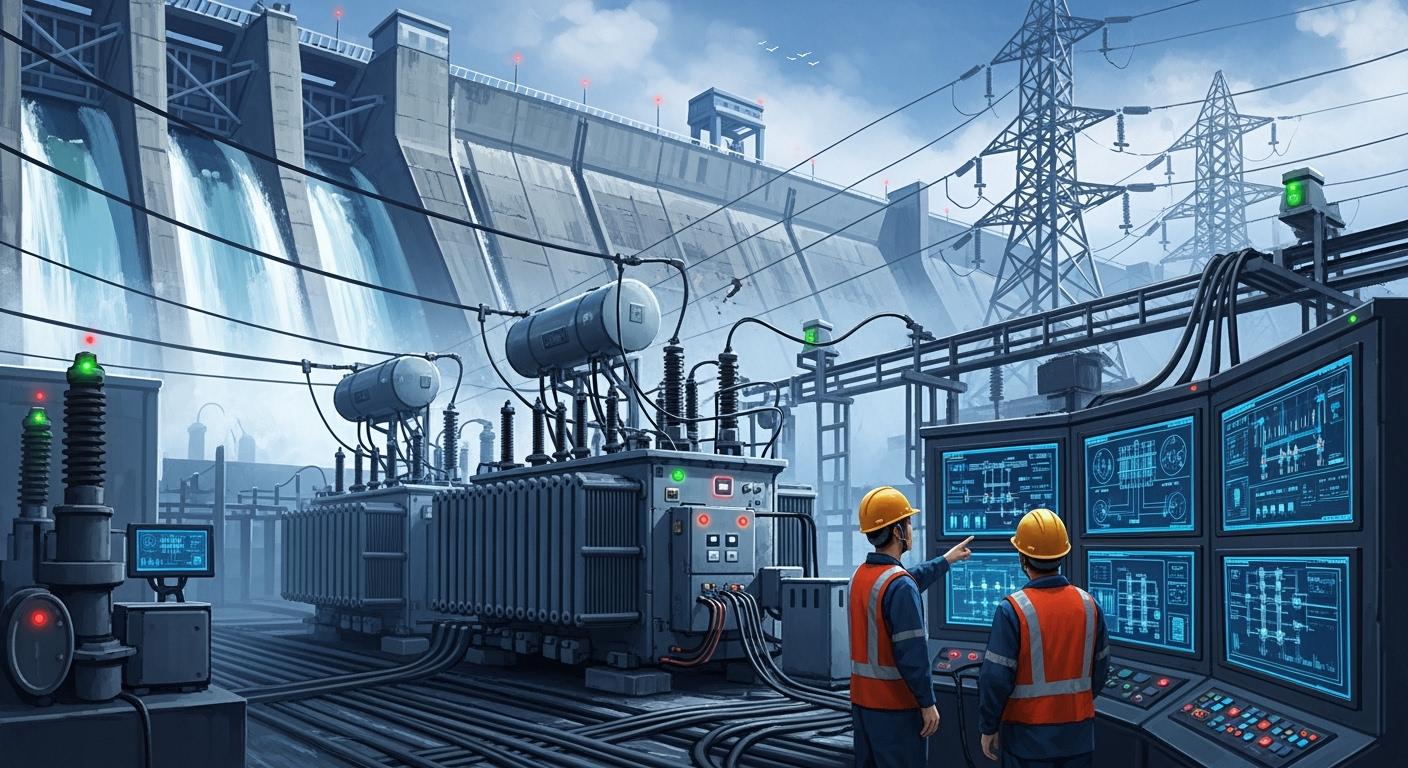
You use electrical equipment every day to help water and power systems work well. When storms come, strong electrical systems stop outages and keep power on. New devices and smart technology make things safer and better. Energy-saving controls and digital tools help you save energy and keep things working longer. Many water projects use these new ideas to give you steady power and clean water, even in bad weather.
Key Takeaways
- Reliable power supply is very important for water systems. It helps give clean water even when there are storms. – Automation and smart technology help save energy. They also make water management work better. – Protecting electrical equipment from lightning is important. Watching systems helps stop expensive repairs. – Using digital twins and IoT devices finds problems early. This keeps everything working well. – Adding renewable energy sources helps the environment. It also lowers the cost to run things.
Electrical Equipment in Water Conservancy
Power Supply and Distribution
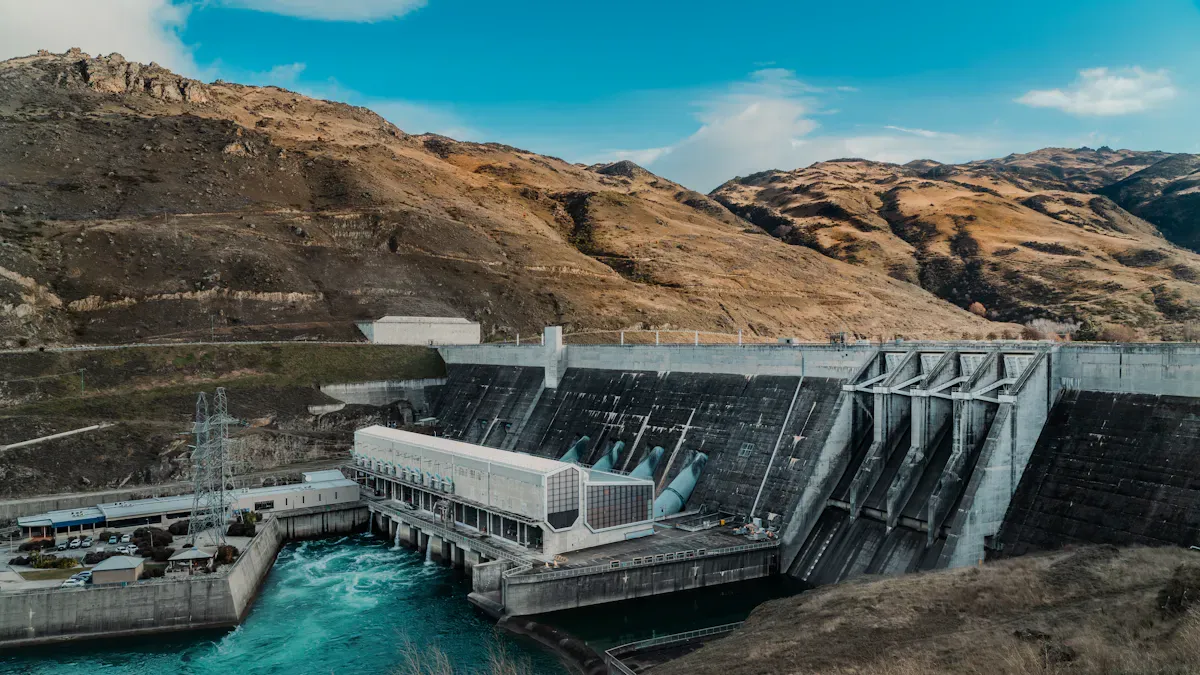
Every water pumping station, dam, and reservoir needs strong power. These systems help move water and give you clean water each day. Reliable power makes sure water treatment works, even in storms or heat waves. If the main power stops, backup generators keep water flowing. Most water pumping stations use three-phase electrical system setups. These setups handle big loads and keep pumps working well.
- Reliable power supply stops service interruptions and keeps water safe.
- Emergency backup generators help during outages.
- Strong distribution networks and many water sources help with climate change and bad weather.
You see three-phase electrical system designs in new and old wastewater treatment plant projects. These systems support big pumps and motors. This makes the whole process work better. Good power distribution helps every part of the water pumping station work together.
Automation and Control for Water Management
Modern water conservancy uses automation everywhere. SCADA systems and IoT devices control water networks. These tools keep water pressure and flow steady. Automated pump controls change energy use based on real-time needs. This helps you save energy and lower costs.
- Sensors and telemetry give real-time monitoring and alerts.
- PLCs are the brains of automation and keep things running.
- Smart water management uses data to find problems early and fix them fast.
Automation helps you collect and study data. You can make better choices and use resources well. In waste water treatment plants, automation cuts down on manual work. This lets you focus on important jobs. Predictive maintenance stops breakdowns before they happen. This keeps your water supply safe and reliable.
Tip: Automation in waste water treatment plants lowers costs and helps use water better. You can find leaks, fix pumps, and keep things running with less work.
Protection, Monitoring, and Lightning Safety
You need to protect electrical equipment in water conservancy projects from lightning and other dangers. Lightning can hurt pumps, motors, and control systems. You use special protection for key parts like motor control centers, flowmeters, hatches, and security systems. Good lightning protection keeps your power safe and stops expensive repairs.
| Key Components of Lightning Protection for Water Treatment Plants |
|---|
| Motor control centers |
| Flowmeters |
| Hatches |
| Security systems |
| Level controls |
| Steel pipes and accessories |
| Transfer systems |
| Blowers |
| Motors and pumps |
You also use monitoring systems to check for problems. These systems watch for changes in power, water flow, and equipment health. If something is wrong, you get alerts right away. This helps you fix issues before they get worse.
Evaluating Water-Damaged Equipment
Floods or leaks can damage electrical systems in water conservancy projects. You must act fast and follow safe steps to check the equipment.
- Turn off the power and wear protective gear. Only trained people should touch the equipment.
- Look for water damage like rust, stains, or broken parts. Take photos and write notes.
- Ask licensed electricians and certified technicians to check the damage. They help you decide if you should fix or replace the equipment.
- If you cannot use the equipment, follow local rules to throw it away safely. Separate batteries and other dangerous parts.
You keep your water pumping station and waste water treatment plants safe by following these steps. This keeps your power supply and your community safe.
Note: Always check electrical equipment after water gets on it. Acting fast stops bigger problems and keeps your systems working.
Energy-Saving and Safety Features in Water Treatment Facilities
Modern electrical equipment in waste water treatment plants gives you many benefits. These systems help you save energy, lower costs, and protect the environment.
| Benefit | Description |
|---|---|
| Energy Savings | The Scale Free System makes heat transfer better, so you save the most energy. |
| Cost Reduction | No chemicals needed and lower costs because the system works well. |
| Environmental Safety | Works without chemicals, so there is less hazardous waste and fewer rules to worry about. |
| Maintenance Reduction | The system cleans itself, so there is less downtime and equipment lasts longer. |
| Water Savings | Uses less blowdown and make-up water, so you save a lot of water. |
| Lower Sewer Charges | Non-toxic discharge means lower sewer fees for hazardous waste. |
| Quick Payback | You get your money back in less than a year with a high return. |
You see these benefits in every water pump station and in upgrades to wastewater treatment plants. Using energy-saving controls and safe electrical systems makes things work better and keeps your community safe.
Power Systems Applications
Hydropower Generation Equipment
Hydropower plants use moving water to make electricity. These plants have different electrical equipment. This helps you get steady power. The most important part is the turbine. Each turbine works best in certain places. You can see the main turbines and what they do in the table below:
| Turbine Type | Description | Applications |
|---|---|---|
| Reaction Turbines | Generate power from pressure and moving water. | Lower head, higher flows |
| Propeller Turbine | Has a runner with three to six blades, used in low head applications. | Constant flow rates |
| Kaplan Turbine | Adjustable blades for varying flow conditions. | Low head, high flow |
| Francis Turbine | First modern turbine, suitable for medium to high head applications. | Medium to high head (130-2000 feet) |
| Kinetic Turbine | Generates electricity from kinetic energy in flowing water. | Rivers, tidal waters, ocean currents |
| Impulse Turbines | Uses water velocity to move the runner, discharges at atmospheric pressure. | High head, low flow |
| Pelton Turbine | Uses water jets to strike buckets, ideal for very high heads. | High head (500+ feet) |
Francis turbines are common because they work well for medium head. They are also very efficient. Kaplan turbines are good for low head and high flow. Pelton turbines are best for high head, like in mountains. These turbines and other electrical equipment give you reliable power for water systems.
Modern hydropower plants use new turbine designs and automation. These upgrades help you change output fast. You can match supply to what people need. Pumped storage hydropower works like a big battery. It stores extra energy and gives it back when needed. This keeps your power steady and your networks strong.
Tip: Picking the right turbine and using modern controls helps you save energy and keep your power supply steady, even when demand changes quickly.
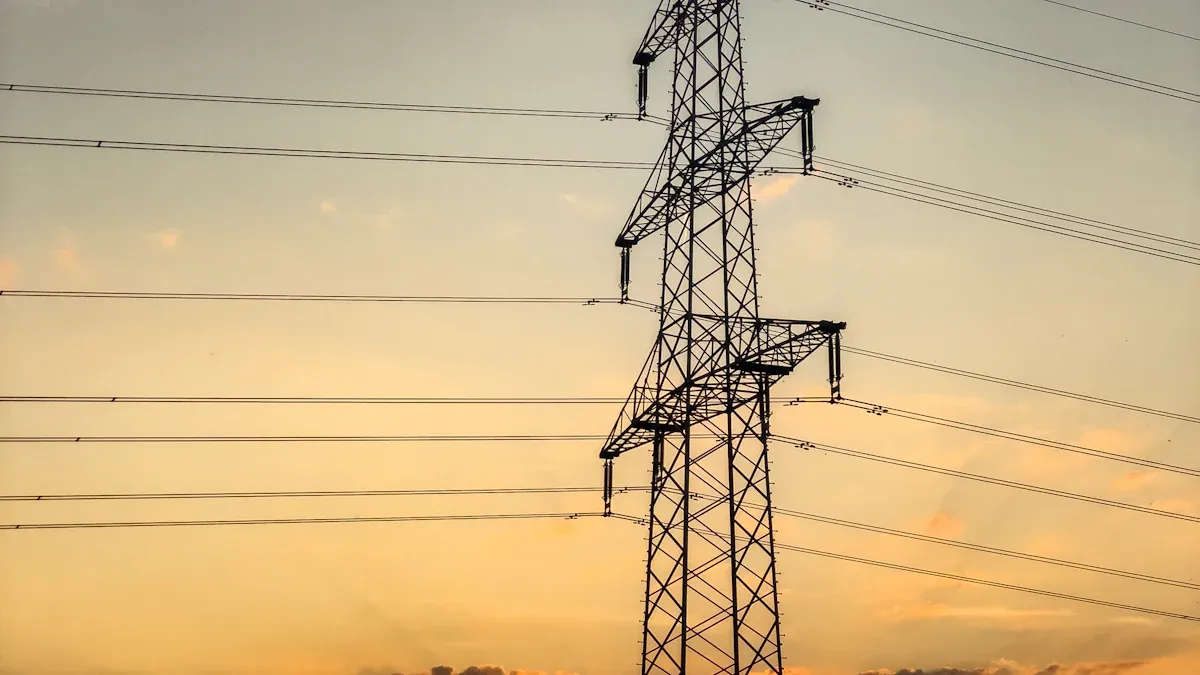
Grid Integration and Transmission
You need strong networks to send electricity from hydropower plants to homes and businesses. Grid integration means connecting these plants to the main power grid. This process has some problems:
- Renewable energy like solar and wind does not always match what people need.
- Old systems may not handle new loads from renewables.
- New connections can take a long time.
- Better transmission lines are needed to stop congestion and make power more reliable.
- Many groups and rules can make building harder.
You solve these problems with new technology and better planning. Small solar or wind systems help balance supply and demand. Energy storage systems keep extra energy and release it when needed. These solutions make your networks more flexible and reliable.
| Evidence Description | Key Points |
|---|---|
| Distributed energy resources | Help keep the grid stable, reduce peak demand, and balance supply and demand in your networks. |
| Energy storage systems | Store extra energy during high generation and release it during high demand, improving supply. |
| Energy storage for renewables | Makes renewable energy more reliable and adds resilience to your power supply. |
You need these systems to keep water pumping stations and treatment plants working. Good networks mean you always have power for safe water.
Smart Monitoring and Fault Detection
Smart monitoring helps keep your power systems safe and working well. Digital Twin technology makes a virtual copy of your system. This lets you watch your equipment in real time. You can find problems before they cause outages. Deep Learning tools look at lots of data to find patterns and spot faults early.
Smart monitoring brings many benefits:
- You can cut downtime by up to 40%.
- Your efficiency goes up by 10–15%.
- Maintenance costs go down by 25–30%.
These tools help you fix problems faster and keep your power steady. You can trust your electrical equipment to work well, even when things change. Smart monitoring also helps you plan repairs and upgrades. This keeps your networks strong for a long time.
Note: Smart monitoring and fault detection help keep your power supply steady and your water systems safe.
Digital and Emerging Technologies
IoT and Remote Monitoring
You can use IoT to make water systems smarter. IoT devices let you watch and control equipment from far away. You do not need to go to every site. If something goes wrong, you get alerts on your phone right away. You can fix problems fast and keep your power and water safe.
- IoT-based systems help you improve water systems and cut pollution.
- Real-time monitoring helps you use resources well and find leaks fast.
- You can control pumps and valves from far away, which saves time and money.
- IoT lets you check groundwater quality and run irrigation without being there.
| Benefit | Description |
|---|---|
| Reduced Water Loss | Real-time leak checks and good metering lower water loss and help you save money. |
| Improved Operational Visibility | Watching everything in one place helps you fix problems faster and plan repairs better. |
| Cost Efficiency | Automation and early repairs mean less work and energy use, so you save money. |
| Enhanced Customer Experience | Smart metering gives clear bills and usage info, so people trust the system. |
| Regulatory Compliance | Always collecting data makes it easy to follow rules and report on water quality. |
| Sustainability | IoT helps you use water and energy wisely, which is good for the planet. |
Digital Twins for Maintenance
Digital twins are like a digital copy of your equipment. You can use them to see how pumps, motors, and other devices are working. Sensors send data about flow, shaking, and temperature. The digital twin finds problems early. You can plan repairs before things break. This keeps your power and water running well.
- Digital twins help you plan repairs before things fail.
- You can find flow or shaking problems early and stop big repairs.
- Using digital twins cuts repair costs and stops surprise breakdowns.
- You keep your systems safe and make power more reliable.
| Country | Application of Digital Twins | Benefits Achieved |
|---|---|---|
| China | Predictive maintenance for renewable integration | More uptime, lower repair costs |
| Germany | Keeping the grid stable during nuclear phase-out | Saves money, makes renewables work better |
| Netherlands | Handling lots of wind and solar power | Better grid stability, less downtime |
| Norway | Making hydro-based systems more reliable | Better efficiency |
Renewable Energy Integration
You can make water projects greener by using renewable energy. Solar panels or wind turbines at your site give extra power and lower your bills. Battery storage helps you keep power when the main supply goes out. Variable frequency drives change pump speed to match what you need, saving energy and water.
- Pumped storage works like a big battery for the grid. It stores power when you do not need it and gives it back when you do.
- Two reservoirs at different heights help store and move energy well.
- Energy-saving equipment and smart controls mean you need less extra power and share it better.
| Benefit | Description |
|---|---|
| Energy Efficiency | Using better equipment lowers energy use and costs. |
| Resilience to Power Disruptions | On-site renewables help you keep working during outages. |
| Water Conservation Efforts | Smart systems help you save both water and energy. |
Tip: Adding renewable energy and smart controls to your water and power systems helps you save money, protect nature, and keep your community safe.
Case Studies
Pumping Station Automation
Automation changes how people manage water. Many cities use smart water delivery systems now. These systems use new technology to control pumps and watch water flow. Flowguard software helps you check pump performance from anywhere. You can use any device to see all your systems on one dashboard. The software gives you reports about water use without extra work. Automated reports help you find leaks and fix them quickly.
- Smart water delivery systems make things work better.
- Flowguard software lets you watch pumps from far away.
- You can check pump performance all over the world.
- Automated reports save you time.
- One dashboard makes it easy to control everything.
When you automate pumping stations, you use less energy. This also makes the system more reliable. The table shows how automation helps you:
| Dimension | Improvement Description | Quantifiable Impact |
|---|---|---|
| Energy Savings | You can find ways to use less power. | 20-50% reduction in power consumption |
| Reliability Improvement | Pumps run closer to their best point, so they last longer. | Fewer failures and lower maintenance costs |
| Operational Performance | Systems give steady flow and pressure. | Better process control and product quality |
Hydropower Plant Upgrades
You can make hydropower plants better by upgrading them. New turbines and electrical equipment help match power to what people need. Automation lets you change how much power you make very fast. This keeps power steady when many people use it. Upgrades also help connect to the grid and support waste water treatment plants. Modern controls lower costs and make things safer for everyone.
Smart Grid in Water Management
Smart grid technology helps you manage water and power together. You can use automatic water-meter reading with cheap IoT hardware and a phone app. This helps you save water because you can act fast. Sensors and central control give regular water delivery and fewer problems. Remote monitoring helps you find leaks and fix them before they get worse. Wireless sensor networks let you watch water use and spot leaks early.
| Study/Approach | Description | Results |
|---|---|---|
| Suresh et al. | Automated water-meter reading with IoT and smartphone | Saved around 14% of water |
| Tamilselvan et al. | Centralized control with sensors | Improved regular water delivery |
| De Paula et al. | Remote monitoring for leaks | Real-time alerts for issues |
| FIKWater dataset | Ultrasonic flow meter data for demand analysis | Provided time series data for water demand |
| Wireless sensor networks | Monitors water use and leakage | Helped users reduce consumption and find leaks |
You can use these smart tools to keep waste water treatment plants working well. These systems help you save power, water, and money. They also make waste water treatment safer and more reliable.
You can see that electrical equipment helps water and power systems. Smart controls and digital twins make waste water treatment safer. Predictive maintenance helps stop problems before they get big. These tools save energy and help protect nature. You use them in waste water treatment plants every day. Digitalization lets you plan repairs early and manage resources better. In the future, you will see micro hydro power and smarter load control. Systems will also connect better with each other. The table below shows how digital tools help waste water treatment:
| Aspect | Contribution |
|---|---|
| Resource Management | You use data to control power and stop floods. |
| Ecological Impact | Smart systems help fix habitats and manage water release. |
| Predictive Maintenance | Data helps you stop leaks and work more efficiently. |
As technology gets better, you will see even more improvements.
FAQ
What electrical equipment do you find in water conservancy projects?
You find pumps, motors, and sensors in these projects. Control panels help run the systems. Backup generators keep things working during storms. These devices move water and watch over the system. They help everything work, even when power goes out.
How does automation improve water management?
Automation lets you control pumps and valves from anywhere. You get alerts and data right away. This helps you fix problems fast. You also use less energy with automation.
Why is lightning protection important for water systems?
Lightning can hurt pumps and control systems. Special protection keeps your equipment safe. This stops big repair bills and keeps water moving.
How do digital twins help with maintenance?
Digital twins make a digital copy of your equipment. You can watch how things work and find problems early. This helps you plan repairs and stop breakdowns.