


Circuit breakers play a critical role in protecting power distribution systems. They detect electrical faults and interrupt the flow of electricity to prevent hazards. Overloaded circuits, short circuits, and ground faults are common issues that circuit breakers address. For example, they stop current flow when too many devices overload a circuit or when faulty wiring causes dangerous conditions.
Zoliov offers advanced power distribution solutions tailored to your needs. From durable switchgear to efficient transformers, Zoliov ensures reliable performance in demanding environments. Their innovative products safeguard your systems while maintaining efficiency and safety.
Key Takeaways
-
Circuit breakers keep electrical systems safe by stopping electricity during problems.
-
They help prevent fires caused by too much power or short circuits.
-
Unlike fuses, you can reset and use circuit breakers again.
-
Checking and fixing circuit breakers often helps them work well and stay safe.
-
Picking the right circuit breaker for your needs keeps systems safe and efficient.
-
Knowing how circuit breakers handle too much power or short circuits is important.
-
Zoliov provides custom power solutions to keep systems safe and reliable.
What Is a Circuit Breaker and Its Role in Power Distribution?

Definition of a Circuit Breaker
A circuit breaker is an essential safety device in electrical systems. It protects an electrical circuit from damage caused by excessive current, also known as overcurrent. Its primary function is to interrupt the flow of electricity when the current exceeds safe levels. This interruption prevents equipment damage and reduces the risk of fire. Unlike fuses, which need replacement after a fault, a circuit breaker can be reset and reused, making it a more efficient and reliable solution.
Importance of Circuit Breakers in Power Distribution
Circuit breakers play a vital role in ensuring the safety and reliability of power distribution systems. They automatically interrupt the flow of electricity during overloads or faults, protecting wiring and equipment from damage. By detecting and isolating electrical faults, circuit breakers safeguard the integrity of the power supply. This function minimizes equipment damage, reduces the duration of power outages, and ensures the safety of individuals working with or near electrical systems. Without circuit breakers, electrical power distribution systems would face frequent disruptions and increased risks of fire hazards.
Key Benefits of Circuit Breakers
Circuit breakers offer several advantages that make them indispensable in power distribution systems:
-
Enhanced Safety: They protect against electrical hazards by shutting off electricity during dangerous situations like short circuits or overloads.
-
Equipment Protection: By preventing excessive current flow, they extend the lifespan of electrical devices and infrastructure.
-
Convenience: Unlike fuses, circuit breakers can be reset after tripping, saving time and resources.
-
Fire Prevention: By interrupting current flow during faults, they reduce the risk of electrical fires.
-
Reliability: Circuit breakers ensure consistent performance, making them a trusted component in modern electrical power distribution systems.
These benefits highlight why circuit breakers are a cornerstone of safe and efficient power distribution. They not only protect your equipment but also ensure the safety of everyone relying on electricity.
Types of Power Distribution Equipment that contains Circuit Breakers
Circuit breakers are integral to various power distribution equipment, ensuring safety and reliability across different applications. These devices are embedded in systems designed to manage electrical power efficiently. Below, you’ll find an overview of the types of equipment that commonly incorporate circuit breakers.
Common Types of Equipment
-
Thermal Magnetic Circuit Breakers: These self-activated devices trip during overcurrent situations. They are widely used in residential setups due to their simplicity and effectiveness.
-
Advanced Circuit Breakers: These breakers trip based on signals from protective elements. They offer adjustable settings, making them ideal for applications requiring enhanced coordination and precision.
Equipment Categories and Applications
The table below highlights various types of circuit breakers and their specific use cases:
|
Type |
Description |
Use Case |
|---|---|---|
|
Miniature Circuit Breakers (MCBs) |
Compact and non-adjustable; protect against overloads and faults. |
Residential load centers, educational or healthcare panel boards. |
|
Molded Case Circuit Breakers (MCCBs) |
Adjustable to some extent; for commercial or light industrial use. |
Enclosures, panel boards, motor control centers. |
|
Insulated Case Circuit Breakers |
Offer diverse adjustments for protection; used in larger applications. |
Healthcare facilities, large industrial plants. |
|
Power Circuit Breakers |
Engineered for low/medium voltage switchgear; need regular maintenance. |
Electrical switchgear applications. |
Specialized Circuit Breakers in Substations
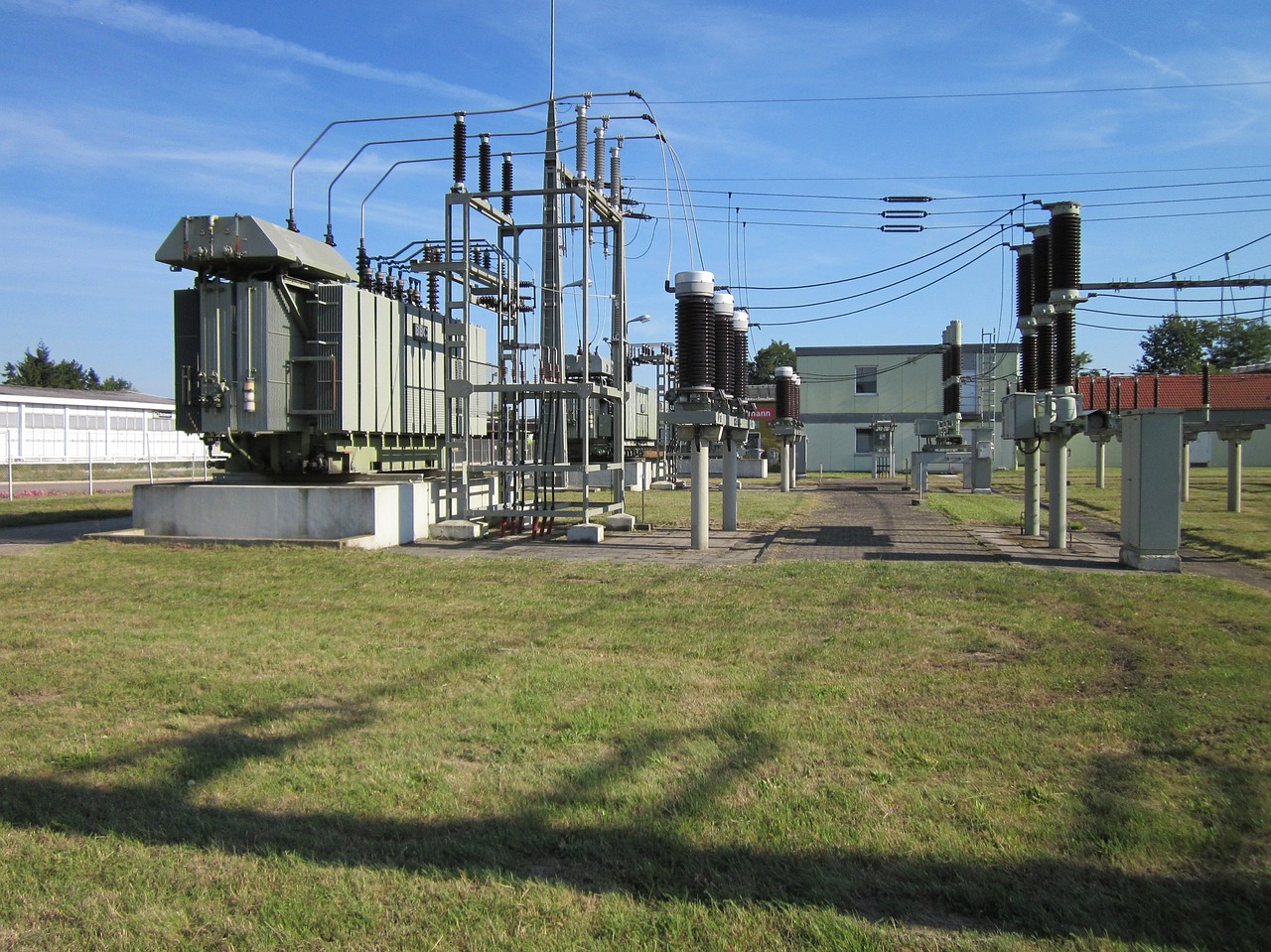
In electrical substations, you’ll encounter specialized circuit breakers designed for specific needs. Air Circuit Breakers extinguish arcs using air, making them suitable for low-voltage systems. Vacuum Circuit Breakers excel in medium-voltage applications, offering reliable performance. Oil Circuit Breakers absorb arc energy within oil-filled chambers, while SF6 Gas Circuit Breakers are known for their reliability in high-voltage systems.
Each type of circuit breaker serves a unique purpose, ensuring the safe and efficient operation of power distribution equipment. By understanding these applications, you can select the right equipment to meet your specific needs.
How Do Circuit Breakers Work to Prevent Electrical Faults?
Overload Protection Mechanism
Circuit breakers play a crucial role in protecting electrical systems from overloads. When too many devices draw electricity from a circuit, the current exceeds safe levels, creating a risk of overheating and fire. Circuit breakers prevent this by automatically interrupting the flow of electricity.
Here’s how they work:
-
The trip unit inside the circuit breaker detects unusual current flow.
-
If the current exceeds the safe limit, the breaker opens the circuit.
-
This action stops the flow of electricity, preventing damage to wiring and connected devices.
In the case of an overload, the breaker doesn’t trip instantly. It senses the excess current over time, heats up, and eventually trips to protect the system. This delay ensures that minor fluctuations don’t cause unnecessary interruptions. By providing overcurrent protection, circuit breakers enhance safety and prevent costly damage to your electrical infrastructure.
Short Circuit Detection and Response
Short circuits occur when electricity takes an unintended path, often due to faulty wiring or damaged insulation. This results in a sudden surge of current, which can cause severe damage if not addressed immediately. Circuit breakers work to detect and respond to short circuits almost instantly.
The difference between overloads and short circuits lies in the intensity and speed of the current surge. While overloads involve gradual increases in current, short circuits produce a rapid and extreme spike. Circuit breakers respond by tripping as soon as they detect this surge, cutting off the flow of electricity.
|
Term |
Definition |
|---|---|
|
Overcurrent |
The excess of rated current due to overload, short-circuit, or ground fault. |
|
Overload |
Operation of equipment in excess of normal, full-load rating; not a short-circuit or ground fault. |
|
Short Circuit |
An overcurrent that greatly exceeds the normal full load current of the circuit; a type of overcurrent but not an overload. |
This quick response minimizes the risk of fire and protects your equipment from irreparable damage. Understanding how circuit breakers work in these situations helps you appreciate their importance in maintaining circuit protection.
Ground Fault Protection
Ground faults are among the most common electrical faults, accounting for nearly 98% of all incidents. They occur when a hot wire comes into contact with a ground wire or a conductive surface, such as a metal box. Faulty appliances and damaged wiring are frequent causes of ground faults.
Circuit breakers, particularly ground fault circuit interrupters (GFCIs), are designed to detect and address these issues. When a ground fault occurs, the breaker senses the imbalance in current flow and trips to stop the electricity. This action prevents electrical hazards and ensures safety for both people and equipment.
Circuit breakers are essential for protecting electrical circuits from hazards like overloads, short circuits, and ground faults.
By addressing ground faults effectively, circuit breakers safeguard your electrical systems and reduce the risk of accidents. Their ability to detect and respond to faults makes them indispensable for circuit protection.
Ensuring Equipment and Infrastructure Safety
Circuit breakers are essential for protecting your equipment and infrastructure from electrical faults. They act as a shield, preventing damage caused by excessive current or dangerous conditions. By interrupting the flow of electricity during faults, circuit breakers ensure that your systems remain operational and safe.
When a fault occurs, the sudden surge of current can harm your electrical devices. Circuit breakers detect these surges and respond instantly by tripping the circuit. This quick action prevents overheating, which could damage sensitive equipment or even cause fires. For example, in industrial settings, circuit breakers protect expensive machinery from irreparable harm, saving you from costly repairs or replacements.
Your infrastructure also benefits from the protection offered by circuit breakers. Electrical faults can weaken wiring, connectors, and other components over time. Without proper circuit protection, these issues could lead to system failures or safety hazards. Circuit breakers isolate faulty sections of the system, ensuring that the rest of your infrastructure continues to function without interruption. This isolation minimizes downtime and helps maintain the reliability of your power distribution network.
In addition to protecting equipment, circuit breakers enhance safety for individuals working with or near electrical systems. Faulty wiring or overloaded circuits can create dangerous conditions, such as electric shocks or fires. Circuit breakers reduce these risks by cutting off the power supply during faults. This feature is especially important in environments where safety is a top priority, such as hospitals, schools, and industrial facilities.
To maximize the benefits of circuit breakers, you should choose the right type for your specific needs. For instance, miniature circuit breakers are ideal for residential applications, while molded case circuit breakers are better suited for commercial or industrial use. Selecting the appropriate breaker ensures optimal protection for your equipment and infrastructure.
By incorporating circuit breakers into your power distribution system, you can safeguard your equipment, infrastructure, and personnel. Their ability to detect and respond to faults makes them an indispensable component of modern electrical systems. With circuit breakers in place, you can ensure the safety and reliability of your operations.
Components of a Circuit Breaker
Frame and Housing
The frame and housing of a circuit breaker serve as its foundation. They protect the internal components and provide insulation from electricity. Frames are typically made from durable materials like metal or molded insulating materials. For example, molded case circuit breakers often use glass-polyester or thermoplastic glass fiber materials. These materials ensure strength and resistance to high temperatures, making them ideal for demanding environments.
The frame also acts as a mounting structure for other components. It keeps everything securely in place, ensuring the circuit breaker operates reliably. Whether you’re dealing with residential or industrial applications, the frame and housing play a critical role in maintaining the safety and durability of the breaker.
|
Type of Circuit Breaker |
Frame Material |
|---|---|
|
Molded Case Circuit Breaker |
Glass-polyester, thermoset composite resin, or thermoplastic glass fiber material |
Contacts and Arc Extinguishers
Contacts are essential for connecting the circuit breaker to the electrical system. When the breaker is closed, the contacts allow electricity to flow through the circuit. During a fault, the contacts open to interrupt the current. This action isolates the faulty section and prevents further damage.
However, opening the contacts creates an electrical arc. This arc can cause significant damage if not controlled. Arc extinguishers come into play here. They extinguish the arc by cooling and dividing it into smaller sections. Low-voltage circuit breakers often use air as the medium, while others may rely on oil, gas, or vacuum. For instance, vacuum circuit breakers are highly effective in medium-voltage applications, offering reliable arc suppression.
By managing the arc, these components ensure the circuit breaker performs its job safely and efficiently. Without them, the breaker would struggle to interrupt the current during faults.
Operating Mechanism
The operating mechanism is the heart of a circuit breaker. It controls the opening and closing of the contacts. When the trip unit detects an abnormal current, it signals the operating mechanism to open the contacts. This action interrupts the flow of electricity and protects your system from damage.
The mechanism must respond quickly and accurately to ensure safety. In modern circuit breakers, advanced designs allow for precise control, making them suitable for a wide range of applications. Whether you’re using a breaker in a residential setting or an industrial facility, the operating mechanism ensures reliable performance.
Tip: Regular maintenance of the operating mechanism can extend the life of your circuit breaker and improve its efficiency.
Each of these components—frame and housing, contacts and arc extinguishers, and the operating mechanism—works together to make circuit breakers indispensable for protecting electrical systems. Understanding their roles helps you appreciate the complexity and importance of these devices.
Trip Unit and Sensors
The trip unit and sensors are critical components of circuit breakers. They work together to detect electrical faults and ensure the breaker responds appropriately. Without these components, the breaker would not function effectively to protect your electrical systems.
The trip unit acts as the brain of the circuit breaker. It monitors the flow of electricity and determines when to trip the breaker. Modern trip units often include advanced features like adjustable settings, allowing you to customize the protection level for your specific needs. For example, you can set the trip unit to respond to different levels of overcurrent or short circuits. This flexibility makes it easier to protect your equipment and infrastructure from damage.
Sensors play a vital role in detecting abnormal current levels. They measure the flow of electricity through the circuit and send this information to the trip unit. When the sensors detect a current that exceeds the safe limit, they trigger the trip unit to open the breaker. This action interrupts the flow of electricity, preventing damage to your system. Sensors are highly accurate, ensuring that the breaker trips only when necessary.
There are different types of trip units and sensors, each designed for specific applications. Thermal-magnetic trip units use a combination of heat and magnetic fields to detect faults. These are common in residential and small commercial settings. Electronic trip units, on the other hand, use digital technology to provide precise protection. They are ideal for industrial applications where accuracy and reliability are crucial.
The integration of trip units and sensors enhances the performance of circuit breakers. These components ensure that the breaker responds quickly and accurately to electrical faults. This quick response minimizes the risk of damage to your equipment and infrastructure. It also reduces the likelihood of power outages, keeping your operations running smoothly.
By understanding the role of trip units and sensors, you can appreciate the complexity and importance of circuit breakers. These components work together to protect your electrical systems, ensuring safety and reliability. Whether you are managing a residential, commercial, or industrial setup, choosing the right breaker with the appropriate trip unit and sensors is essential for optimal performance.
Types of Circuit Breakers and Their Applications

Miniature Circuit Breakers (MCBs)
Miniature Circuit Breakers (MCBs) are compact devices designed to protect electrical circuits from overloads and short circuits. These breakers are commonly used in residential and small commercial applications due to their reliability and ease of use. You can find MCBs in load centers, panel boards, and other confined spaces where space-saving solutions are essential.
MCBs offer several advantages. They provide reliable overcurrent protection, which prevents electrical fires and equipment damage. Their quick response time minimizes downtime and reduces the risk of electrical shock. Additionally, their compact size allows for installation in tight spaces, and their resettable feature eliminates the need for replacement after tripping. However, MCBs have limitations. They have a lower breaking capacity compared to other types of circuit breakers, such as MCCBs. Environmental factors may also affect their performance, and their predefined trip curves may not suit all applications.
|
Advantages of MCBs |
Disadvantages of MCBs |
|---|---|
|
Reliable protection against overloads and short circuits |
Limited breaking capacity compared to MCCBs |
|
Quick response time minimizes downtime |
Sensitivity to environmental factors may affect performance |
|
Compact size suitable for confined spaces |
High-quality MCBs can be more expensive than fuses |
|
Resettable, reducing maintenance costs |
Predefined trip curves may not suit all applications |
Molded Case Circuit Breakers (MCCBs)
Molded Case Circuit Breakers (MCCBs) are versatile devices that provide protection for circuits with higher current ratings. These breakers are ideal for industrial and commercial applications, where they safeguard equipment from overloads, short circuits, and ground faults. MCCBs are adjustable, allowing you to customize their settings to meet specific requirements.
In industrial settings, MCCBs are used to protect motors, welding machinery, generators, and capacitor banks. For example, they handle high currents in welding machines and shield generators from faults. MCCBs also play a critical role in electric feeders, where their adjustable settings ensure effective handling of high currents. Their ability to modify inrush current settings makes them particularly useful for motor protection.
MCCBs offer several benefits. They provide reliable protection for high-current applications and are suitable for a wide range of environments. Their adjustable settings enhance flexibility, making them a preferred choice for industrial systems. However, MCCBs require regular maintenance to ensure optimal performance.
Air Circuit Breakers (ACBs)
Air Circuit Breakers (ACBs) are designed for low-voltage applications, typically below 690 volts. These breakers use air as the medium to extinguish electrical arcs when the contacts open. ACBs are commonly found in low-tension motor control centers (LT MCCs) and secondary feeder circuits.
ACBs differ from other types of circuit breakers, such as vacuum circuit breakers (VCBs), in several ways. While ACBs use open-air pressure to quench arcs, VCBs rely on a vacuum. ACBs are suitable for low-voltage systems, whereas VCBs are ideal for medium-voltage applications under 33 kV. Additionally, ACBs do not require manual refilling, making them easier to maintain compared to oil circuit breakers.
|
Feature |
Air Circuit Breaker (ACB) |
Vacuum Circuit Breaker (VCB) |
|---|---|---|
|
Voltage Applications |
Used for applications less than 690 volts |
Ideal for medium voltage levels under 33 kV |
|
Working Principle |
Arc quenched by air; contacts open in air |
Arc quenched in a vacuum; no free electrons |
|
Medium Pressure |
Open-air pressure sufficient |
Requires vacuum pressure of 10-2 to 10-6 torr |
|
Refilling |
Does not require manual refilling |
Requires replacement of vacuum container |
|
Application |
Used in LT MCC, secondary feeder circuits |
Used for starting high horsepower motors |
|
Arc Chute and Development |
Uses arc chutes to prevent arc formation |
No arc chutes needed; less arc development |
ACBs are essential for ensuring the safety and reliability of low-voltage power distribution systems. Their ability to handle faults effectively makes them a valuable component in modern electrical networks.
Oil and Vacuum Circuit Breakers
Oil and vacuum circuit breakers are essential components in modern power distribution systems. These breakers are designed to handle high-voltage applications, ensuring safety and reliability in demanding environments.
Oil circuit breakers use oil as both an insulating medium and an arc extinguisher. When a fault occurs, the contacts inside the breaker separate, creating an arc. The oil absorbs the heat from the arc and extinguishes it, preventing damage to the system. This type of breaker is commonly used in outdoor substations and high-voltage transmission networks. Its ability to handle large currents makes it ideal for industrial applications. However, oil circuit breakers require regular maintenance to ensure optimal performance.
Vacuum circuit breakers, on the other hand, rely on a vacuum to extinguish the arc. When the contacts open, the vacuum prevents the arc from sustaining itself. This design makes vacuum breakers highly efficient and reliable. They are often used in medium-voltage applications, such as industrial plants and power distribution networks. Unlike oil circuit breakers, vacuum breakers require minimal maintenance, making them a cost-effective solution for long-term use.
Both oil and vacuum circuit breakers play a critical role in protecting electrical systems. They prevent damage caused by faults and ensure the safe flow of electricity. By choosing the right type of breaker for your needs, you can enhance the safety and efficiency of your power distribution system.
Applications in Residential, Commercial, and Industrial Settings
Circuit breakers are indispensable in residential, commercial, and industrial settings. They protect electrical systems from faults, ensuring safety and reliability across various applications.
In residential settings, circuit breakers safeguard your home from electrical hazards. They protect against thermal overloads and short circuits, preventing damage during power surges. Compared to fuses, circuit breakers offer the advantage of reusability. You can reset them after a fault, saving time and money. These breakers are commonly found in load centers and panel boards, where they ensure the safe distribution of electricity throughout your home.
In commercial environments, circuit breakers play a vital role in maintaining smooth power system operations. Configurable molded case circuit breakers are often used in these settings. Their adjustable settings allow you to customize protection based on the size and type of electrical load. This flexibility ensures that your system operates efficiently, even in complex environments like office buildings, shopping malls, and hospitals.
Industrial applications demand enhanced circuit protection due to the scale and complexity of operations. Adjustable circuit breakers provide extensive customization, allowing you to protect sensitive equipment from voltage surges and faults. These breakers are essential for safeguarding machinery, generators, and other critical infrastructure. By ensuring operational availability, they help you avoid costly downtime and maintain productivity.
Each setting requires specific types of circuit breakers to meet its unique needs. By understanding these applications, you can select the right breaker to protect your electrical systems and ensure their reliable performance.
How Circuit Breakers Work: Step-by-Step Process
Normal Operation of a Circuit Breaker
A circuit breaker operates seamlessly under normal conditions, ensuring the safe flow of electricity through your system. It continuously monitors the current, ready to act if a fault arises. The process begins with fault detection. The breaker uses heating or magnetic effects to identify irregularities in the current. Once a fault is detected, the contacts inside the breaker open to interrupt the circuit. This action often relies on stored mechanical energy for quick and efficient operation.
When the contacts open, an electrical arc forms. This arc must be extinguished to prevent damage. Circuit breakers use various techniques, such as air, oil, or vacuum, to contain and eliminate the arc. After the fault is resolved, the breaker allows you to restore power by closing the contacts. This step-by-step process ensures your system remains safe and operational.
Fault Detection and Tripping
Circuit breakers excel at detecting faults and responding swiftly to protect your system. When a fault occurs, such as an overload or short circuit, the breaker interrupts the current flow to prevent damage. For short circuits, the breaker detects the sudden surge of current and trips almost instantly. This rapid response minimizes the risk of fire or equipment failure.
In the case of an overload, the breaker senses excess current over time. It heats up gradually and eventually trips to protect the wiring and connected devices. This delayed response ensures minor fluctuations don’t cause unnecessary interruptions. By tripping the circuit, the breaker disconnects the faulty section from the main supply, ensuring safety and reliability.
Tip: Regularly inspect your circuit breakers to ensure they respond effectively to faults. This practice helps maintain the safety of your electrical system.
Interrupting the Electrical Current
Interrupting the electrical current is a critical function of circuit breakers. When a fault is detected, the breaker opens its contacts to stop the flow of electricity. This action isolates the faulty section, preventing further damage to your system. However, opening the contacts generates an electrical arc, which can be dangerous if not managed properly.
Circuit breakers use advanced methods to extinguish the arc. For example, air circuit breakers rely on air pressure, while vacuum circuit breakers use a vacuum to suppress the arc. These techniques ensure the breaker performs its job safely and efficiently. Once the arc is extinguished, the breaker remains open until the fault is cleared. You can then reset the breaker to restore power, ensuring minimal downtime.
By understanding how circuit breakers detect and interrupt faults, you can appreciate their role in maintaining the safety and reliability of your electrical system. These devices work tirelessly to protect your equipment and infrastructure from potential hazards.
Resetting and Restoring Power
Resetting a circuit breaker after it trips is a straightforward process that restores electricity to your system. This step is essential to resume normal operations and ensure the continued safety of your electrical network. You can follow these steps to reset and restore power effectively:
-
Identify the Tripped Breaker: Locate the circuit breaker panel and identify the breaker that has tripped. A tripped breaker usually sits in a middle position between “ON” and “OFF.”
-
Turn Off the Breaker: Push the tripped breaker fully to the “OFF” position. This step ensures the breaker resets properly.
-
Inspect the Circuit: Before turning the breaker back on, check the circuit for any visible issues. Look for overloaded outlets, damaged appliances, or faulty wiring. Address these problems to prevent the breaker from tripping again.
-
Reset the Breaker: Flip the breaker back to the “ON” position. You should hear a click, indicating the breaker has reset successfully.
Tip: If the breaker trips again immediately after resetting, avoid repeated attempts. This could indicate a serious electrical fault that requires professional attention.
Resetting circuit breakers not only restores power but also ensures the safety of your system. However, you must address the root cause of the trip to prevent future interruptions. Overloaded circuits, short circuits, or ground faults often trigger breakers to trip. Identifying and resolving these issues will enhance the reliability of your electrical network.
In industrial or commercial settings, resetting breakers may involve additional steps. For example, you might need to coordinate with facility managers or follow specific safety protocols. Always prioritize safety when working with electricity. Wear protective gear and avoid handling breakers with wet hands.
Modern circuit breakers often include advanced features that simplify the resetting process. Some models have indicators or alarms that help you identify the fault quickly. These features save time and reduce the risk of errors during troubleshooting. By understanding how to reset and restore power, you can maintain the efficiency and safety of your electrical systems.
Note: Regular maintenance of your circuit breakers can prevent unnecessary trips. Inspect your breakers periodically to ensure they function correctly and respond effectively to faults.
Resetting a circuit breaker is more than just flipping a switch. It involves understanding the cause of the trip, addressing potential hazards, and ensuring the breaker operates as intended. By following these steps, you can restore power safely and efficiently while protecting your equipment and infrastructure.
Maintaining and Troubleshooting Circuit Breakers
Importance of Regular Inspections
Regular inspections are essential for ensuring the reliability and longevity of circuit breakers. By conducting routine checks, you can identify potential issues before they escalate into costly repairs or system failures. Inspections also help maintain the safety of your electrical systems, reducing the risk of hazards like overheating or electrical fires.
To keep your circuit breakers in optimal condition, follow these best practices:
-
Perform annual maintenance for medium-voltage circuit breakers or after every 2,000 operations.
-
Inspect high-voltage circuit breakers every six to twelve months.
-
Exercise molded case circuit breakers (MCCBs) at least once a year and conduct trip testing every three to five years.
Additionally, include these tasks in your inspection routine:
-
Check for wear, damage, or corrosion on components.
-
Test operating mechanisms and insulation resistance.
-
Clean components to prevent dirt accumulation.
-
Document all maintenance activities to track performance and compliance with safety standards.
By adhering to these practices, you can enhance the protection offered by your circuit breakers and ensure their reliable operation.
Identifying Common Issues
Understanding common issues with circuit breakers helps you address problems quickly and effectively. Some of the most frequent signs of trouble include:
-
Buzzing or Humming Noises: These sounds often indicate loose connections, overloaded circuits, or a faulty breaker.
-
Tripped Circuit Breakers: Overloaded circuits, short circuits, or ground faults typically cause this issue.
-
Flickering Lights: Loose connections or overloaded circuits may lead to this problem.
-
Overheating of the Panel: This condition suggests overloaded circuits, faulty breakers, or improper installation.
When you notice any of these signs, take immediate action to prevent further damage. Identifying and resolving these issues promptly ensures the safety and efficiency of your electrical system.
Steps for Troubleshooting Circuit Breakers
Troubleshooting circuit breakers requires a systematic approach to identify and resolve faults. Follow these steps to ensure accurate diagnosis and repair:
-
Determine whether the circuit breaker is open, closed, or in an intermediate position.
-
Check the control voltage on terminals 1 and 2. It should measure above approximately 70 VDC.
-
Identify whether the command originated locally or remotely.
-
If the voltage is correct, inspect knife switches and fuses for faults.
-
Assess the closing force energy and confirm that the closing springs are charged.
-
Examine the coils for mechanical failures or damage.
For additional testing, consider these methods:
-
Wear insulated gloves to ensure personal safety during testing.
-
For resistance testing, turn off the breaker and measure resistance across its connections.
-
For voltage testing, turn on the breaker and measure voltage across the phase connection and ground.
-
Use the test button on residual current circuit breakers to verify functionality.
By following these steps, you can troubleshoot circuit breakers effectively and restore their proper operation. Regular maintenance and prompt troubleshooting not only extend the life of your breakers but also ensure the safety of your electrical systems.
When to Replace a Circuit Breaker
Knowing when to replace circuit breakers is essential for maintaining the safety and reliability of your electrical system. Over time, breakers can wear out or fail, putting your home or workplace at risk. Recognizing the signs of a failing circuit breaker helps you take timely action and avoid potential hazards.
Signs That Indicate Replacement
You should inspect your circuit breakers if you notice any of the following issues:
-
Frayed wires near the breaker panel.
-
Walls or outlets that feel unusually hot.
-
Outlets that shock, spark, or show signs of melting or scorching.
-
Strange burning odors around the breaker panel.
-
Crackling or buzzing sounds coming from the breakers.
These signs often point to underlying problems that require immediate attention. Ignoring them could lead to electrical fires or damage to your equipment.
Common Symptoms of a Failing Circuit Breaker
Certain symptoms suggest that your circuit breaker may no longer function properly. These include:
-
Frequent trips. If your breaker trips repeatedly, it may struggle to handle the circuit’s demand or have internal faults.
-
Flickering lights. This issue often indicates a failing breaker, especially when multiple fixtures are affected.
-
Power fluctuations. Sudden changes in electricity flow suggest problems with the breaker or wiring.
-
Age of the breaker. Older breakers and panels are more likely to fail, especially if they have been heavily used.
If you encounter these issues, replacing the breaker ensures the continued safety of your electrical system.
Why Timely Replacement Matters
Replacing a faulty circuit breaker prevents serious risks like electrical fires and equipment damage. A failing breaker cannot effectively interrupt electricity during faults, leaving your system vulnerable. By addressing the problem early, you protect your home or workplace and avoid costly repairs.
When replacing a breaker, always choose one that matches your system’s specifications. Consult a licensed electrician to ensure proper installation. This step guarantees that your new breaker performs reliably and meets safety standards.
Tip: Regularly inspect your circuit breakers to catch issues early. This practice extends their lifespan and keeps your electrical system running smoothly.
Understanding when to replace circuit breakers helps you maintain a safe and efficient electrical network. By acting promptly, you can prevent hazards and ensure the reliability of your power distribution system.
Circuit breakers are essential for protecting power distribution systems from electrical faults. They detect and interrupt abnormal currents, ensuring the safety and reliability of your electrical network. By preventing equipment damage and minimizing fire risks, they play a critical role in maintaining operational efficiency.
Regular maintenance of circuit breakers helps you identify potential issues early, reducing the likelihood of costly repairs or dangerous failures. Proper selection based on factors like voltage rating and interrupting capacity ensures optimal performance for your specific application.
Zoliov offers innovative power distribution solutions tailored to meet your needs. With over 20 years of expertise, Zoliov delivers high-quality products like advanced switchgear and transformers, ensuring safety, efficiency, and reliability in your electrical systems. Choose Zoliov to build a smarter, more resilient power network.
Contact Zoliov
Find more details about Power Distribution Equipment
FAQ
What is the main purpose of a circuit breaker?
A circuit breaker protects your electrical system by interrupting the flow of electricity during faults. It prevents damage caused by overloads, short circuits, or ground faults. This ensures the safety of your equipment and reduces the risk of fires.
How does a circuit breaker differ from a fuse?
A circuit breaker can be reset and reused after tripping, while a fuse must be replaced once it blows. Circuit breakers offer more convenience and reliability, making them a preferred choice for modern electrical systems.
Can circuit breakers prevent electrical fires?
Yes, circuit breakers reduce the risk of electrical fires. They interrupt the current flow during faults, such as overloads or short circuits, which could otherwise cause overheating and ignite fires.
How often should you inspect circuit breakers?
You should inspect circuit breakers annually or after every 2,000 operations. For high-voltage breakers, conduct inspections every six to twelve months. Regular checks ensure they function properly and prevent unexpected failures.
What are the signs of a failing circuit breaker?
Signs include frequent tripping, buzzing sounds, flickering lights, or overheating panels. If you notice these issues, replace the breaker promptly to maintain safety and reliability in your electrical system.
Are circuit breakers suitable for all types of electrical systems?
Yes, circuit breakers come in various types to suit residential, commercial, and industrial systems. You can choose from options like MCBs, MCCBs, or ACBs based on your specific needs and voltage requirements.
How do you reset a tripped circuit breaker?
To reset a breaker, push it fully to the “OFF” position, inspect the circuit for issues, and then flip it back to “ON.” If it trips again, consult a professional to address the underlying problem.
Why is Zoliov a trusted choice for power distribution solutions?
Zoliov offers over 20 years of expertise in customized power distribution equipment. Their innovative products, like advanced switchgear and transformers, ensure safety, efficiency, and reliability for your electrical systems. Choose Zoliov for tailored solutions that meet your unique needs.