


A unit substation plays a vital role in modern power distribution systems. It converts incoming utility service to meet specific facility requirements by integrating medium voltage, transformers, and low voltage sections. The medium voltage section protects the transformer and facilitates power flow. Transformers reduce voltage to safer levels, while the low voltage section delivers power directly to panels or machinery. This setup ensures efficient energy distribution and reduces reliance on utility providers. Zoliov’s Unit Substation offers a compact, durable, and versatile solution, designed to meet the demands of residential, commercial, and industrial applications.
Key Takeaways
-
Unit substations change high-voltage power into lower, safer levels for use.
-
They have three main parts: medium voltage, transformer, and low voltage.
-
Mini substations are small, perfect for cities, and save space.
-
Regular checks and care keep unit substations working well for a long time.
-
Unit substations improve safety with tools like circuit breakers and lightning arresters.
-
They are important for factories, green energy, and public services to keep power steady.
-
Mini substations can grow and adjust easily for new energy needs.
-
Zoliov’s Unit Substation is strong and works well for homes, businesses, and factories.
What is a Unit Substation?
Definition and Purpose
A unit substation serves as a critical component in modern electrical networks. It converts incoming utility power into a form suitable for specific operational needs. This process involves reducing high-voltage electricity to lower levels that are safe and efficient for consumption or further distribution. Unit substations typically consist of three main sections: a medium voltage section, a transformer, and a low voltage section. The medium voltage section manages power flow and protects the transformer using switches or breakers. The transformer reduces voltage from medium to low levels, while the low voltage section distributes power directly to machinery or distribution panels. This integrated design ensures reliable energy delivery and supports voltage stability, even in environments with fluctuating power demands.
Key Components of a Unit Substation
Unit substations integrate several essential components, each contributing to their functionality and efficiency.
Transformer
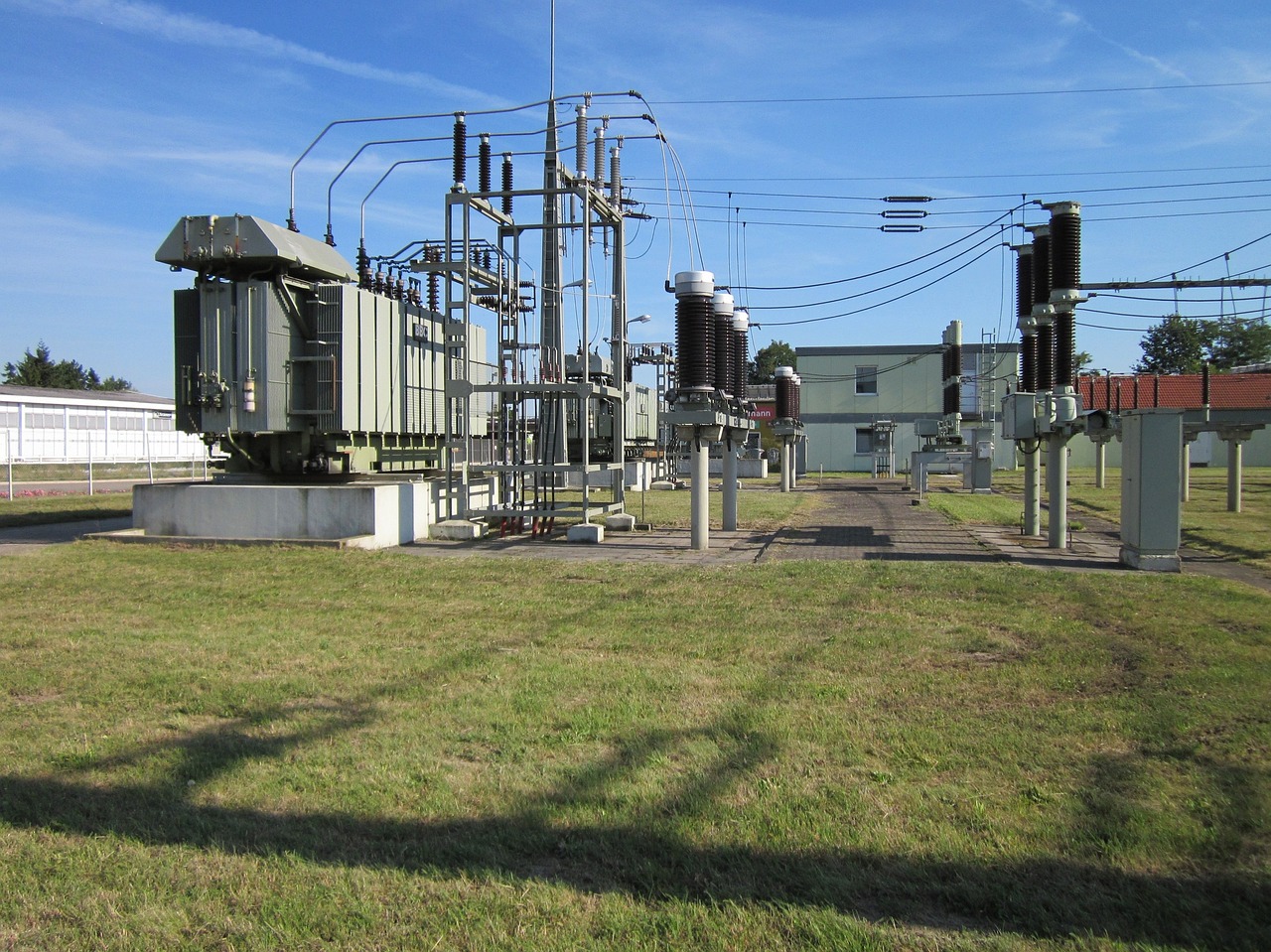
The transformer is the heart of a unit substation. It reduces high voltage from the grid to a lower voltage suitable for consumption. This component includes primary and secondary connections and monitoring equipment to ensure safe operation. Transformers play a vital role in maintaining voltage stability and enabling efficient energy distribution.
Switchgear
Switchgear in the medium voltage section manages power flow and protects the transformer. It includes switches, fused switches, or breakers designed to handle voltages ranging from 4KV to 20KV. These devices ensure the safe operation of the substation by isolating faults and preventing damage to other components.
Protection Devices
Protection devices safeguard the substation and connected systems from electrical faults. These devices detect abnormalities such as overcurrent or short circuits and act quickly to isolate the affected section. This ensures the safety of both the equipment and the personnel operating the system.
Control and Monitoring Systems
Control and monitoring systems provide real-time data on the substation’s performance. These systems enable operators to monitor voltage levels, power flow, and equipment status. Advanced monitoring systems can also predict potential issues, allowing for proactive maintenance and reducing downtime.
How Unit Substations Work
Unit substations operate by integrating their key components into a seamless system. Electricity from the grid enters the medium voltage section, where switches or breakers manage power flow and protect the transformer. The transformer then reduces the high voltage to a lower level suitable for distribution. Finally, the low voltage section distributes this electricity to various endpoints, such as machinery or distribution panels. This process ensures efficient energy delivery while maintaining safety and reliability. The compact design of unit substations simplifies installation and reduces costs, making them an essential part of modern electrical systems.
Types of Unit Substations
Primary Unit Substations
Features and Functions
A primary unit substation reduces high utility voltages to levels suitable for industrial and commercial use. It accommodates primary voltages ranging from 6.9 kV to 69 kV and provides secondary voltages between 2.4 kV and 34.5 kV. The transformer in this substation has a capacity of 500 kVA to 20,000 kVA, making it ideal for large-scale energy needs. This type of substation integrates advanced protection systems to safeguard equipment and ensure operational safety. Its robust design supports high reliability and efficiency, even in demanding environments.
|
Type of Substation |
Primary Unit Substation |
|---|---|
|
Primary Voltage |
6.9 kV to 69 kV |
|
Transformer Capacity |
500 kVA to 20,000 kVA |
|
Secondary Voltage |
2.4 kV up to 34.5 kV |
|
Applications |
Industrial, Commercial, Battery Energy Storage |
Common Use Cases
Primary unit substations are widely used in industrial installations and commercial sites. They play a crucial role in battery energy storage systems and renewable energy projects. These substations ensure efficient power distribution in facilities requiring high voltage transformation.
Secondary Unit Substations
Features and Functions
A secondary unit substation is designed for facilities with primary voltages below 38 kV. It provides secondary voltages ranging from 208 V to 600 V, making it suitable for smaller-scale energy distribution. The transformer capacity in this substation ranges from 300 kVA to 3,750 kVA. It includes essential components like transformers, switchgear, and protection devices, ensuring safe and reliable energy delivery. This substation is compact and easy to install, making it a practical choice for various applications.
|
Type of Substation |
Secondary Unit Substation |
|---|---|
|
Primary Voltage |
2.4 kV to 38 kV |
|
Transformer Capacity |
300 kVA to 3,750 kVA |
|
Secondary Voltage |
208 V, 240 V, 480 V, or 600 V |
|
Applications |
Facilities with primary voltage < 38 kV |
Common Use Cases
Secondary unit substations are commonly used in facilities with lower voltage requirements. They are ideal for residential complexes, small commercial buildings, and light industrial operations. These substations ensure efficient energy distribution in environments with moderate power demands.
Mini Substations
Compact Design and Applications
Mini substations are smaller in size and have lower kVA ratings compared to traditional substations. They are designed to fit into compact spaces, making them ideal for urban areas or locations with limited space. These substations include essential components like transformers, metering, and circuit breakers, but they feature reduced secondary distribution equipment to enhance their compactness. Mini substations can also be installed underground, optimizing space usage further. Their versatility allows them to function in both indoor and outdoor settings.
Common Use Cases
Mini substations are widely used in transmission and distribution systems. They are suitable for powering small facilities, temporary installations, and mobile applications. A mobile mini substation, for example, provides a flexible solution for emergency power needs or remote locations. These substations ensure reliable energy delivery while minimizing space requirements.
Indoor vs. Outdoor Unit Substations
Differences in Design
Indoor and outdoor unit substations differ significantly in their design, which influences their functionality and suitability for various applications. The table below highlights the key differences:
|
Feature |
Indoor Substation |
Outdoor Substation |
|---|---|---|
|
Voltage Level |
Up to 66 kV |
Up to 765 kV |
|
Equipment Location |
Inside a building |
Outside the building |
|
Space Requirements |
Smaller space |
Larger space |
|
Expansion Capabilities |
Difficult to expand |
Easily expanded |
|
Cost |
Lower overall cost |
Higher overall cost |
|
Equipment Visibility |
Not easily visible |
Clearly visible |
|
Fault Handling |
Easier due to documentation |
More complicated due to open design |
|
Maintenance Needs |
Higher maintenance |
Lower maintenance |
|
Replacement of Equipment |
Difficult |
Relatively easier |
|
Safety |
Relatively safer |
Less safe due to open design |
|
Clearance Requirements |
Smaller clearance needed |
More clearance needed |
Indoor substations are typically enclosed within buildings, offering better protection from environmental factors. In contrast, outdoor substations are exposed to the elements but can handle higher voltage levels and are easier to expand.
Advantages of Each Type
Both indoor and outdoor substations offer unique advantages, making them suitable for different scenarios.
Advantages of Indoor Substations:
-
Indoor substations provide enhanced safety due to their enclosed design.
-
They require less space, making them ideal for urban areas or locations with limited land availability.
-
Equipment is protected from weather conditions, reducing the risk of damage.
-
Fault handling becomes easier because of detailed documentation and controlled environments.
Advantages of Outdoor Substations:
-
Outdoor substations feature an open design, simplifying fault detection.
-
They can be expanded easily to meet increasing load demands.
-
Construction and erection occur simultaneously, reducing setup time.
-
A smaller building is required, lowering construction material costs.
-
Equipment and switchgear used in outdoor substations are generally less expensive.
-
Maintenance needs are lower compared to indoor substations.
The choice between indoor and outdoor substations depends on factors such as available space, voltage requirements, and budget. Indoor substations suit areas with space constraints, while outdoor substations excel in handling high voltage and accommodating future expansions.
Key Applications of Unit Substations

Unit substations play a pivotal role in various industries, commercial establishments, and renewable energy systems. Their versatility and efficiency make them indispensable in modern power distribution networks.
Industrial Applications
Manufacturing Plants
Manufacturing plants rely heavily on unit substations to ensure uninterrupted power supply for their operations. These substations handle high-voltage electricity, converting it to levels suitable for industrial machinery. The transformer within the substation stabilizes voltage fluctuations, protecting sensitive equipment from damage. Mini substations are particularly useful in manufacturing environments with limited space. Their compact design allows seamless integration into existing electrical systems, ensuring efficient energy distribution.
Heavy Machinery Operations
Heavy machinery operations demand a reliable and robust power supply. Unit substations meet these requirements by delivering consistent energy to high-voltage applications. The transformer in the substation reduces high-voltage electricity to levels that heavy machinery can safely use. Mini substations excel in this application due to their ability to handle variable loads and adapt to changing power demands. Their modular design simplifies maintenance, ensuring minimal downtime in critical operations.
Commercial Applications
Office Buildings
Office buildings require a stable and efficient power distribution system to support lighting, HVAC systems, and electronic devices. Unit substations provide a centralized solution for managing electrical supply in these environments. Mini substations, with their compact design, fit seamlessly into urban office spaces. They ensure reliable energy delivery while optimizing space usage. The transformer within the substation regulates voltage levels, preventing disruptions in the electrical grid.
Shopping Centers
Shopping centers depend on unit substations to power a wide range of electrical systems, including lighting, escalators, and refrigeration units. Mini substations are ideal for these applications due to their ability to handle diverse energy demands. Their compact size allows for easy installation in crowded urban areas. The transformer in the substation ensures consistent voltage levels, enhancing the safety and efficiency of the electrical grid.
Renewable Energy Applications
Solar Power Systems
Unit substations play a crucial role in integrating solar power systems into the electrical grid. Compact secondary substations (CSS) connect solar panels to the grid efficiently, managing variable outputs. They also facilitate energy storage, allowing excess energy to be stored and used during peak demand. Mini substations adapt quickly to changing distribution needs, ensuring seamless energy supply from solar power systems.
Wind Farms
Wind farms benefit significantly from unit substations, which manage the variable outputs of wind turbines. CSS enhance grid management by integrating energy storage systems, ensuring a steady energy supply even during low wind conditions. Mini substations, with their compact design, simplify installation in remote locations. Their ability to handle high-voltage electricity makes them essential for connecting wind farms to the electrical grid.
Unit substations, including mini substations, demonstrate remarkable versatility across industrial, commercial, and renewable energy applications. Their compact design, efficient transformers, and adaptability make them a cornerstone of modern power distribution systems.
Utility and Infrastructure Applications
Unit substations play a vital role in utility and public infrastructure applications. Their ability to transform and distribute electricity efficiently makes them indispensable in modern power systems. By integrating medium voltage, transformers, and low voltage components into a single unit, these substations ensure reliable energy delivery across diverse environments.
Power Distribution Networks
Power distribution networks rely heavily on unit substations to manage and deliver electricity to end users. These networks connect power generation facilities to residential, commercial, and industrial areas. Substations within these networks reduce high-voltage electricity from transmission lines to levels suitable for local distribution. This process ensures that electricity reaches homes and businesses safely and efficiently.
Unit substations enhance the reliability of distribution systems by stabilizing voltage levels and preventing power interruptions. Their compact design allows them to fit seamlessly into urban and rural settings. In densely populated cities, mini substations provide a space-saving solution for managing electricity demand. These substations also support grid expansion by accommodating additional loads without requiring significant infrastructure changes.
The modular nature of unit substations simplifies maintenance and upgrades. Operators can replace individual components without disrupting the entire system. This flexibility ensures that power distribution networks remain operational even during repairs or expansions. By integrating advanced monitoring systems, substations also enable real-time performance tracking, reducing the risk of outages.
Public Infrastructure
Public infrastructure depends on unit substations to power essential services. Facilities such as hospitals, schools, and transportation systems require a stable and uninterrupted electricity supply. Substations ensure that these critical services operate efficiently, even during peak demand periods.
In transportation systems, unit substations power railways, subways, and electric vehicle charging stations. They convert high-voltage electricity from the grid into levels suitable for trains and other electric vehicles. This process supports the growing demand for sustainable transportation solutions.
Street lighting and traffic management systems also benefit from the reliability of unit substations. These systems require consistent power to ensure public safety and convenience. Substations with advanced protection devices safeguard these systems from electrical faults, minimizing downtime and maintenance costs.
In remote areas, unit substations enable the development of public infrastructure by providing reliable electricity. Their robust design allows them to withstand harsh environmental conditions, ensuring consistent performance in challenging locations. By supporting infrastructure development, these substations contribute to economic growth and improved quality of life.
Unit substations serve as the backbone of utility and public infrastructure applications. Their ability to transform, distribute, and manage electricity efficiently ensures the smooth operation of power systems in both urban and rural settings.
Advantages of Unit Substations
Compact and Modular Design
The compact and modular design of unit substations offers several benefits for modern electrical systems. Mini substations, in particular, excel in space efficiency. Their small footprint makes them ideal for urban and industrial areas where land availability is limited. These substations integrate essential components like the transformer and switchgear into a single enclosure, reducing the need for additional infrastructure.
The modular nature of mini substations enhances cost efficiency. Off-site manufacturing minimizes construction and maintenance expenses. Pre-assembled units also reduce installation time, lowering labor costs and downtime. This feature proves invaluable for urgent projects requiring rapid deployment. Additionally, modular designs provide flexibility and scalability. Operators can expand or modify these substations to meet changing energy demands without significant disruptions.
Reliability is another advantage of this design. Factory testing ensures that mini substations meet high-performance standards before deployment. This process guarantees consistent operation in the field, even under challenging conditions. The compact and modular design of mini substations demonstrates how innovation can optimize energy distribution while addressing space and cost constraints.
Reduced Power Losses
Unit substations, including mini substations, play a crucial role in minimizing power losses during energy distribution. Transformers within these substations efficiently reduce high-voltage electricity to levels suitable for consumption. This process ensures that energy reaches end users with minimal wastage. Mini substations, with their advanced components, further enhance efficiency by maintaining stable voltage levels.
The proximity of mini substations to end users also reduces transmission losses. By placing these substations closer to residential, commercial, or industrial areas, operators can minimize the distance electricity travels. This approach not only improves efficiency but also supports the reliability of the power supply. Reduced power losses contribute to the overall sustainability of energy systems, making mini substations an essential component of modern infrastructure.
Enhanced Safety and Protection
Safety and protection are paramount in the design of unit substations. Mini substations incorporate robust features to safeguard equipment and personnel. High-security fencing deters unauthorized access, while electric fencing provides an additional layer of protection. These measures reduce the risk of hazards associated with high-voltage components.
Advanced protection devices enhance the safety of mini substations. Lightning arresters discharge excess electricity during lightning strikes, preventing damage to equipment. Circuit breakers automatically isolate faults, minimizing the impact of malfunctions. These features ensure that mini substations operate safely, even in adverse conditions.
The enclosed design of mini substations further enhances safety. By housing all components within a single unit, these substations protect equipment from environmental hazards. This design also reduces the risk of accidental contact with high-voltage parts. The emphasis on safety and protection makes mini substations a reliable choice for energy distribution in diverse settings.
Cost-Effectiveness
Unit substations, particularly mini substations, offer a cost-effective solution for modern power distribution needs. Their compact design reduces land usage, making them ideal for areas with limited space or tight budgets. By integrating essential components like transformers and switchgear into a single enclosure, mini substations minimize the need for additional infrastructure. This design not only saves space but also lowers installation and maintenance costs.
The table below highlights the key aspects that make mini substations cost-effective:
|
Aspect |
Description |
|---|---|
|
Compact Design |
Their small size means they use less land area and reduce permitting requirements. |
|
Lower Maintenance |
They require less upkeep, hence adding convenience. |
|
Cost and Space Efficiency |
Designed to handle smaller loads, they are more cost-effective and space-efficient than large transformers. Their compact design reduces installation and maintenance costs, making them suitable for areas with limited budgets or spatial constraints. |
|
Smaller Installation Costs |
Since they are of a small size and less demanding infrastructure than the giant transformers, installations and maintenance are relatively cheaper, meaning that initial investment and running expenditures are lower. |
|
Reduced Power Losses |
The design places the transformer and electrical equipment close together, reducing power losses and improving safety by shortening cable lengths and reducing fault risks. |
Mini substations also excel in reducing power losses. By placing transformers and electrical equipment close together, they minimize the distance electricity travels, which reduces energy wastage. This proximity also enhances safety by shortening cable lengths and lowering the risk of faults. These features make mini substations a practical choice for both urban and rural settings.
In addition, mini substations require less maintenance compared to larger systems. Their robust design ensures durability, even in harsh environments. This reliability translates to lower operational costs over time. For organizations looking to optimize their energy distribution systems without overspending, mini substations provide an efficient and economical solution.
Scalability and Flexibility
Mini substations stand out for their scalability and flexibility, making them suitable for a wide range of applications. Their modular design allows operators to expand or modify them to meet changing energy demands. This adaptability ensures that mini substations can evolve alongside the needs of the electrical grid.
Key features that enhance the scalability and flexibility of mini substations include:
-
Modular substations are adaptable to various applications.
-
They can be expanded or modified to meet changing demands.
-
Their portable nature makes them suitable for temporary or remote installations.
-
This adaptability allows them to evolve with the needs of the electrical grid.
The portable nature of mini substations makes them an excellent choice for temporary installations or remote locations. For example, construction sites or emergency power setups benefit from their ease of transport and quick deployment. Their compact design ensures seamless integration into existing systems, even in areas with limited space.
Mini substations also support future growth. Operators can add new modules or upgrade existing components without disrupting the entire system. This feature proves invaluable in industries where energy demands fluctuate or increase over time. By offering a scalable solution, mini substations help organizations adapt to evolving energy requirements efficiently.
The flexibility of mini substations extends to their ability to function in diverse environments. Whether installed indoors or outdoors, they maintain consistent performance. Their robust construction ensures reliability in harsh conditions, while their compact size allows for easy installation in urban areas. This versatility makes mini substations a cornerstone of modern power distribution systems.
Installation and Maintenance of Unit Substations
Installation Process
Site Selection and Preparation
The first step in the installation process involves selecting and preparing the site for the substation. Safety and security considerations play a critical role. Hazardous zones must be identified, and adequate clearances should be maintained around the substation to ensure operational safety. The site must integrate seamlessly into the existing electrical infrastructure to facilitate efficient power distribution. Environmental factors, such as noise pollution and electromagnetic field (EMF) exposure, should also be addressed during planning. Additionally, the design should accommodate future expansions and include automation features for remote monitoring. Regulatory compliance with local and international standards ensures the substation meets all legal requirements.
Equipment Assembly and Testing
Once the site is prepared, the assembly and testing of equipment begin. The utility constructs the substation according to its specifications, ensuring proximity to the consumer’s premises. The owner of the electrical installation equips the substation with necessary components, such as transformers and switchgear. Before energizing the system, the project must receive approval from the utility operating the medium voltage network. Commissioning tests, including dielectric testing and breaker timing, verify the functionality of all components. These tests ensure the substation operates safely and efficiently, minimizing the risk of future failures.
Maintenance Requirements
Routine Inspections
Routine inspections are essential for maintaining the optimal performance of a substation. Operators monitor and test equipment regularly to identify potential failure modes. Diagnostic tools, such as thermography scans and breaker timing tests, help detect issues early. Time-based maintenance (TBM) involves testing components at specific intervals, ensuring they remain in good working condition. This proactive approach reduces the likelihood of unexpected breakdowns and extends the lifespan of the substation.
Troubleshooting Common Issues
Troubleshooting common issues requires a systematic approach. Condition-based maintenance (CBM) focuses on the actual condition of the equipment, allowing operators to address problems as they arise. Performance-based maintenance (PBM) analyzes failure rates to optimize maintenance schedules. For example, dissolved gas analysis (DGA) can detect early-stage problems in transformers, while oil quality screens evaluate the condition of insulating oil. These methods ensure the substation continues to deliver reliable electrical distribution.
Best Practices for Longevity
Regular Upgrades
Regular upgrades play a vital role in extending the lifespan of a substation. Operators should follow industry standards and manufacturer recommendations when upgrading critical components, such as transformers and switchgear. Upgrades improve the efficiency and reliability of the substation, ensuring it meets evolving energy demands. Scheduling upgrades during routine maintenance minimizes disruptions to the electrical grid.
Compliance with Safety Standards
Adhering to safety standards is crucial for the long-term operation of a substation. Operators must ensure all components meet regulatory requirements and are installed correctly. For instance, placing damping cables inside tubular buses mitigates vibration issues, reducing wear and tear. Compliance with safety standards not only protects equipment but also enhances the overall reliability of the electrical distribution system.
By following these guidelines, operators can ensure the efficient installation and maintenance of unit substations. Proper site preparation, routine inspections, and adherence to best practices contribute to the longevity and reliability of these critical components in modern power distribution networks.
Unit substations play a pivotal role in modern power distribution systems. They efficiently convert and distribute electricity while ensuring safety and reliability. Their compact design integrates a medium voltage section, a transformer, and a low voltage section, reducing the need for extensive infrastructure. These substations also enhance voltage regulation and minimize power losses, making them indispensable across industries.
The benefits of unit substations extend across diverse applications. They improve efficiency, reduce maintenance needs, and ensure dependable performance. Their space-saving design and adherence to industry standards make them a cost-effective solution for evolving energy demands. Proper installation and regular maintenance further enhance their reliability and longevity.
Zoliov’s Unit Substation exemplifies these strengths. Its durable, compact, and pre-fabricated design ensures seamless integration into any environment. This innovative solution delivers consistent performance, making it a trusted choice for residential, commercial, and industrial power distribution needs.
Contact Zoliov
Find more details about Unit Substation
FAQ
What is the primary purpose of a unit substation?
A unit substation transforms high-voltage electricity into lower voltages suitable for consumption. It integrates components like transformers, switchgear, and protection devices to ensure safe and efficient power distribution across industrial, commercial, and residential applications.
How does a unit substation differ from a traditional substation?
A unit substation combines all essential components, such as transformers and switchgear, into a compact, modular design. Traditional substations often require separate installations for these components, making unit substations more space-efficient and easier to install.
Can unit substations be used in renewable energy systems?
Yes, unit substations play a vital role in renewable energy systems. They connect solar panels or wind turbines to the grid, manage variable outputs, and facilitate energy storage, ensuring consistent power supply even during fluctuating energy production.
What are the advantages of mini substations?
Mini substations offer a compact design, reduced installation costs, and lower maintenance needs. Their modular nature allows for easy expansion, making them ideal for urban areas, temporary installations, and remote locations with limited space.
Are unit substations suitable for outdoor use?
Yes, outdoor unit substations are designed to withstand harsh environmental conditions. Their robust construction ensures durability, while advanced protection devices safeguard equipment from weather-related damage, making them reliable for outdoor applications.
How do unit substations enhance safety?
Unit substations incorporate features like circuit breakers, lightning arresters, and enclosed designs to protect equipment and personnel. These safety measures prevent electrical faults, reduce hazards, and ensure reliable operation in diverse environments.
What industries benefit most from unit substations?
Industries like manufacturing, heavy machinery operations, renewable energy, and public infrastructure benefit significantly. Unit substations provide reliable power distribution, voltage stability, and adaptability to meet the unique demands of these sectors.
How long does it take to install a unit substation?
The installation time varies based on the substation type and site conditions. Pre-fabricated designs, like Zoliov’s Unit Substation, enable rapid deployment, often reducing setup time compared to traditional substations.