


The difference between voltage and current shapes how electricity works in every system you use. Voltage acts like the push that moves electric charges, while current is the actual flow of those charges through a wire. You need to understand these basics to keep industrial equipment running safely and efficiently. Imagine voltage as water pressure in a pipe and current as the water flowing through it. Recent studies show that voltage changes can cause major problems in factories, making it crucial to monitor both voltage and current. Zoliov helps you manage these challenges with expert solutions for safe power distribution.
Key Takeaways
-
Voltage is the force that pushes electric charges, while current is the flow of those charges through a circuit.
-
Understanding voltage and current helps you choose the right equipment and keep industrial systems safe and efficient.
-
Measure voltage with voltmeters and current with ammeters to detect problems early and prevent damage.
-
Voltage and current affect equipment differently; controlling both prevents failures and costly downtime.
-
Always check voltage and current ratings before installing equipment to protect your machines and workplace safety.
Difference Between Voltage and Current
Quick Answer
The difference between voltage and current is simple: voltage is the force that pushes electric charges through a circuit, while current is the flow of those charges.
Understanding the difference between voltage and current helps you make smart decisions when working with electrical systems. In industrial settings, this knowledge keeps your equipment safe and running efficiently.
Simple Definitions
-
Voltage is the electrical pressure that pushes electrons through a wire. You can think of it as the force that makes electricity move. Engineers measure voltage in volts (V).
-
Current is the actual movement of electric charges through a circuit. It shows how much electricity flows at any moment. Engineers measure current in amperes (A).
Imagine a water system: voltage is like the pressure in the pipes, and current is the amount of water flowing. High pressure does not always mean a lot of water moves, just as high voltage does not always mean a large current.
Why the Difference Matters in Industry
You need to know the difference between voltage and current to keep your industrial systems safe and reliable. Research shows that the input current of machines does not change much with small voltage changes, but current can react strongly to distorted voltage waveforms. This means that even if the voltage stays steady, problems like voltage sags or waveform distortion can cause big changes in current, leading to equipment issues or downtime.
In factories, voltage sags can stop sensitive machines, even if the current seems normal. This shows that voltage and current affect your equipment in different ways. For example, lighting systems that run at 277 volts need careful voltage control to avoid interruptions.
Technical Insights from Industry and Research
-
Voltage and current behave differently in real-world systems. For example:
-
Voltage changes with frequency and load, while current often stays steady except at certain points.
-
Engineers use voltage and current curves to study how systems respond under different conditions.
-
In electric grids, experts model voltage and current separately to improve system reliability and safety.
-
Case studies show that voltage and current need different controls and protections in industrial applications.
-
You see these differences every day in industrial environments. When you understand how voltage and current work, you can choose the right equipment, prevent failures, and keep your workplace safe.
Voltage
What Is Voltage
You can think of voltage as the force that pushes electric charges through a circuit. Engineers call this force the electric potential difference. Voltage tells you how much energy each unit of charge carries as it moves from one point to another. The unit for voltage is the volt, and the symbol is V.
Imagine a water system: voltage acts like the pressure that pushes water through pipes. If you increase the pressure, more water flows. In the same way, higher voltage pushes more electric charge through a wire.
This water pressure analogy helps you understand how voltage works in real circuits. In industrial settings, you often see voltage described as the driving force behind motors, lights, and control systems. If you keep resistance the same, raising the voltage increases the current, just like higher water pressure increases flow if the pipe size stays the same.
How Voltage Is Measured
Measuring voltage is a key part of keeping electrical systems safe and efficient. You use special instruments called voltmeters or voltage transducers to check voltage levels. These devices help you spot problems before they cause damage.
-
International standards guide how you measure voltage in industrial environments:
-
IEC 60688 covers electrical measuring transducers.
-
IEC 61180 explains high-voltage test techniques.
-
IEC 60664 focuses on insulation coordination.
-
IEC 61200 provides an electrical installation guide.
-
-
When you select a device for measuring voltage, you look for accuracy, safety, and fast response times. You also check for compliance with standards like UL, IEC, CSA, and CE.
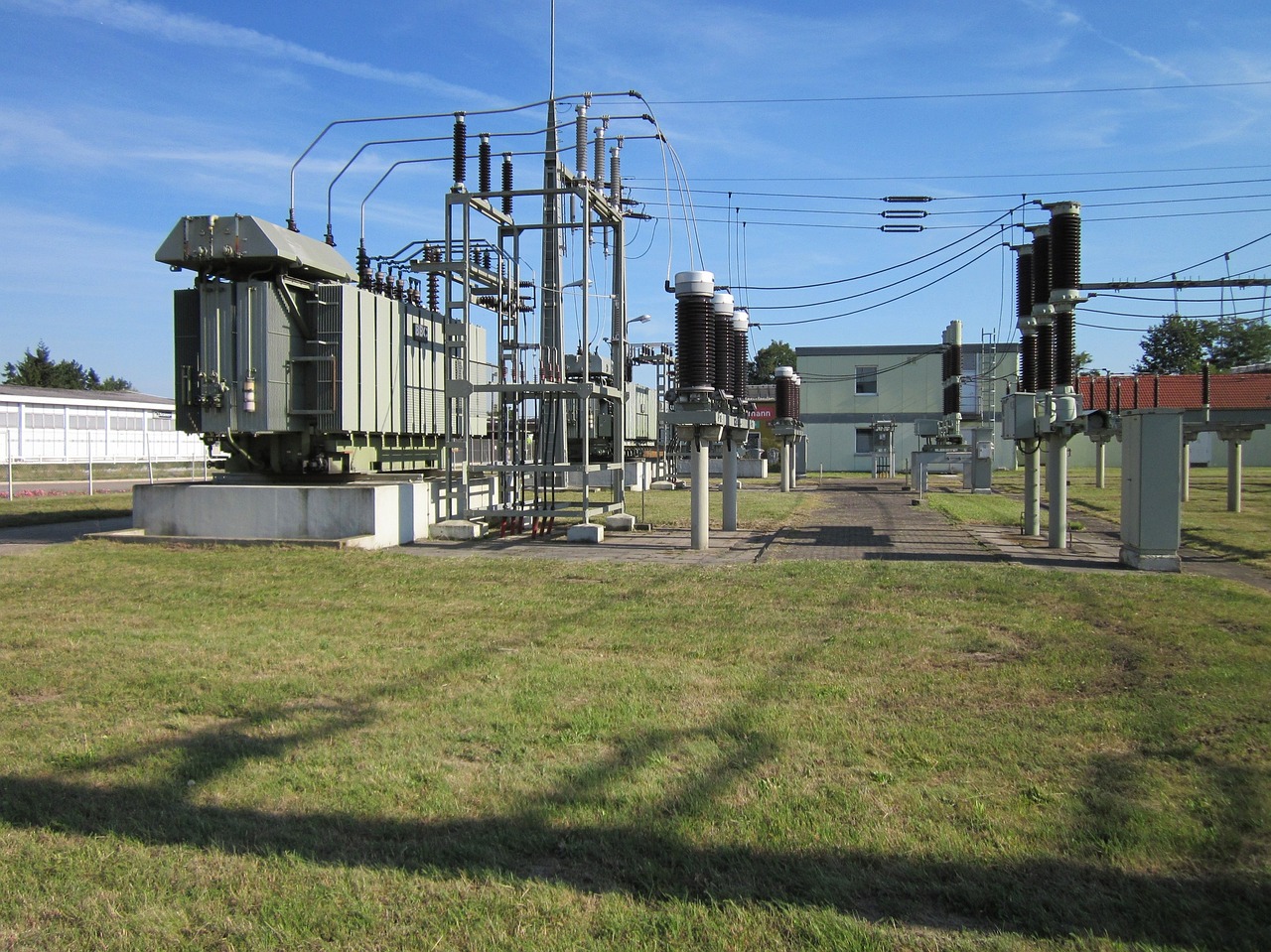
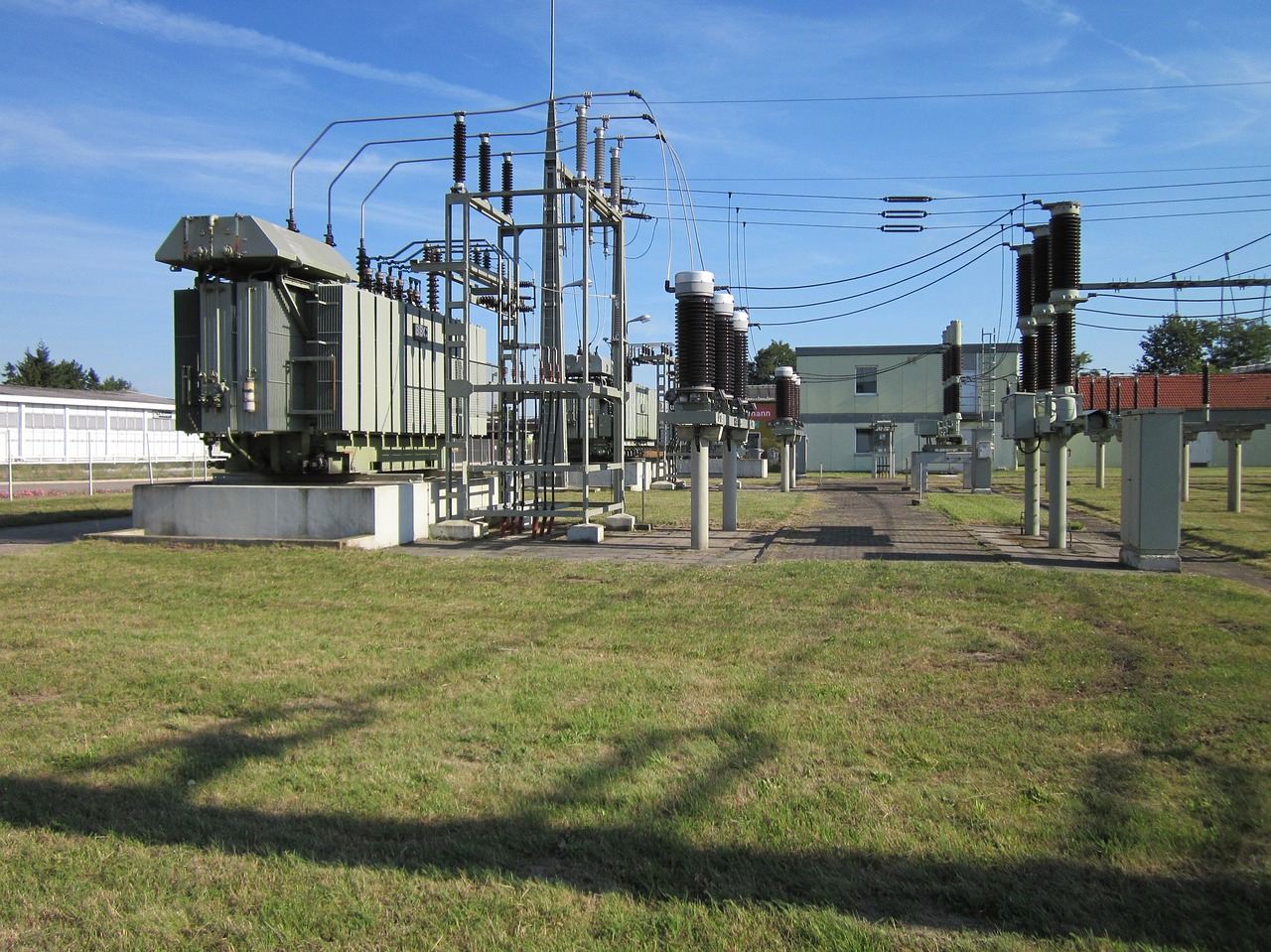
You might use voltage input modules in substations or power plants to monitor voltage in real time. These tools help you keep your equipment running smoothly and avoid costly downtime.
Voltage in Circuits
Voltage plays a central role in every electrical circuit. It sets the energy level that pushes current through wires and devices. In factories, voltage transients—sudden spikes or drops—can cause equipment failures or reduce system reliability. For example, rapid voltage spikes, called impulse transients, last less than a millisecond but can damage sensitive electronics. Oscillatory transients, which change polarity quickly, can also disrupt operations.
A study in South Australia showed that voltage changes in power grids with solar panels and batteries can lead to power losses. Some sites lost up to 25% of their energy output because of high voltage or wiring faults. This shows why you must manage voltage carefully, especially in systems with renewable energy.
When you choose power distribution products, understanding voltage helps you pick the right equipment. Zoliov’s solutions (www.zoliov.com) offer reliable ways to manage voltage in industrial settings. These products help you keep voltage stable, protect your equipment, and ensure safe, efficient operations.
Contact Zoliov
Find more details about Power Distribution Solution
Current
What Is Current
Current is the movement of electric charges through a conductor, such as a wire. You measure current in amperes, often called amps, and use the symbol A. When you see current in a circuit, you are looking at the flow of electric charge from one point to another. This flow of electric charge makes devices work, lights turn on, and motors spin.
Think of current like water flowing through a pipe. The water represents the flow of electric charge, and the pipe is the wire. If more water moves through the pipe each second, you have a higher current. In the same way, a higher current means more electric charge moves through the wire every second.
How Current Is Measured
You measure current using devices called ammeters or current sensors. Accurate measurement of current is important for safety and efficiency in industrial systems. Many industries use strict methods and standards to make sure current measurements are reliable.
-
Calibration methods include direct calibration, where you compare your instrument to a primary standard, and indirect calibration, which uses intermediate references.
-
Automated and AI-driven calibration systems help correct errors in real time and support predictive maintenance.
-
The ISO/IEC 17025 standard ensures that calibration labs provide accurate and traceable measurements.
-
National and international organizations, such as NIST and BIPM, set reference standards for current measurement.
-
Industry standards from ASTM, ANSI, and IEC define how to calibrate and what tolerances are acceptable.
-
Legal regulations require accurate current measurement in safety-critical and trade applications.
-
High-speed optical measurement systems can monitor current on production lines for continuous quality assurance.
These practices help you trust the current readings in your equipment and keep your operations running smoothly.
Current in Circuits
Current plays a key role in every electrical circuit. The flow of electric charge powers machines, lights, and control systems. If you increase the voltage or decrease the resistance, you increase the current. Too much current can overheat wires or damage equipment, while too little current may cause devices to stop working.
In industrial settings, you must monitor current to protect motors, lighting, and sensitive electronics. Many systems use circuit breakers and fuses to stop the flow of electrical charge if the current gets too high. By understanding current, you can choose the right equipment and keep your workplace safe and efficient.
Tip: Always check the current ratings of your devices before connecting them to a circuit. This simple step helps prevent costly damage and downtime.
Key Differences Between Voltage and Current
Comparison Table
You can quickly see the key differences between voltage and current by looking at the table below. This side-by-side view helps you understand how each property affects your electrical systems.
|
Property |
Voltage (Electric Potential) |
Current (Flow of Electric Charge) |
|---|---|---|
|
Definition |
Energy per unit charge; difference in electric potential |
Rate of flow of electric charge in a circuit |
|
Unit |
Volts (V), where 1 Volt = 1 Joule/Coulomb |
Amperes (A), where 1 Ampere = 1 Coulomb/second |
|
Measurement Instrument |
Voltmeter |
Ammeter |
|
Cause and Effect |
Voltage is the cause of current |
Current is the effect; it flows only if voltage is present |
|
Formula |
V = Work done / Charge |
I = Charge / Time |
|
Field Created |
Creates an electrostatic field |
Creates a magnetic field |
|
Behavior in Series |
Voltage divides among components |
Current remains constant through components |
|
Behavior in Parallel |
Voltage remains the same across components |
Current divides among components |
Note: Industrial standards, such as those from the National Electrical Code (NEC) and NEMA, classify voltage into high, medium, and low categories. These categories help you select the right equipment for your facility. Current does not have the same standardized categories, which shows a key difference in how professionals treat these two properties.
Main Points
You need to understand the key differences between voltage and current to keep your industrial systems safe and efficient. Voltage acts as the driving force that pushes electric charges through a circuit. Current is the actual flow of those charges. Voltage stays the same across parallel components, while current splits up. In a series circuit, current remains constant, but voltage divides among the devices.
-
Voltage gives energy to your devices, while current shows how much energy flows at any moment.
-
You measure voltage with a voltmeter and current with an ammeter.
-
Voltage creates an electrostatic field, but current creates a magnetic field.
-
Voltage levels determine the type of equipment you need, such as high-voltage switchgear or low-voltage control panels.
In industrial settings, you must match voltage and current ratings to your equipment. If you use the wrong voltage, you risk damaging your machines. If current exceeds safe levels, you can cause overheating or fires.
Tip: Always check both voltage and current ratings before installing or upgrading equipment. This simple step prevents costly downtime and ensures your facility meets safety standards.
Understanding the key differences between voltage and current helps you design better systems, choose the right products, and avoid hazards in your workplace.
Practical Importance

Real-World Examples
You see the importance of voltage and current every day in industrial environments. For example, many factories use the 4-20 mA current loop to control machines and monitor processes. This system makes wiring simpler, reduces electrical noise, and helps you find faults quickly. Because you understand how current works, you can keep your process control systems reliable and efficient.
In food processing, engineers use high voltage electric fields and controlled current to improve the quality of frozen foods and extend the shelf life of fruits and vegetables. By adjusting voltage and current, you can dry, freeze, or thaw products more efficiently. These methods also help remove impurities and extract valuable compounds from plants. When you know how to manage voltage and current, you can create safer, more energy-efficient processes.
Note: Many industries have replaced older systems with modern electrical controls because they offer better accuracy and lower energy use.
Safety and Efficiency
Understanding voltage and current keeps your workplace safe. If you know how much current flows through your equipment, you can prevent overheating and avoid fires. You also protect sensitive machines from voltage spikes that could cause damage or downtime.
Zoliov offers products that help you manage voltage and current safely. Their power distribution breakers, motor control centers, and enclosed controls give you the tools to monitor and control electrical systems. You can use their solutions to set safe current limits, detect faults, and keep your operations running smoothly.
-
Use circuit breakers to stop dangerous current surges.
-
Install motor control centers to manage current for large machines.
-
Choose lighting distribution panels that handle the right voltage for your facility.
When you understand voltage and current, you make better choices for your equipment and your team’s safety. Zoliov supports you with reliable products and expert advice for every industrial need.
Understanding voltage and current helps you make safe choices in industrial electrical systems. Voltage gives the push, while current does the work—and can cause harm if not controlled.
-
Current can injure you by causing burns or heart problems.
-
Voltage creates the risk by driving current through your body.
-
Safety devices and proper insulation protect you from both.
Always consult experts like Zoliov to keep your workplace safe and your equipment running smoothly.
Contact Zoliov
Find more details about Power Distribution Solution
FAQ
What happens if you use the wrong voltage for your equipment?
Using the wrong voltage can damage your equipment or cause it to stop working. You might also create safety risks. Always check the voltage rating before connecting any device.
How do you safely measure current in an industrial circuit?
You should use an ammeter or a current sensor designed for industrial use. Always turn off the power before connecting the meter. Wear proper safety gear and follow your facility’s safety procedures.
Why do voltage and current matter for electrical safety?
Voltage pushes current through your body if you touch a live wire. Current causes burns or even stops your heart. You must control both to stay safe around electricity.
Can you have current without voltage?
No, you cannot have current without voltage. Voltage provides the push that moves electric charges. Without voltage, no current flows in the circuit.
What tools help you monitor voltage and current in your facility?
You can use voltmeters, ammeters, and advanced monitoring systems. These tools help you spot problems early and keep your equipment running safely.