


Energy powers everything around us, from homes to factories. Clean energy originates from sources that produce minimal pollution, such as solar or hydropower. Renewable energy, on the other hand, relies on natural resources that replenish quickly, like wind or sunlight. The key difference between clean energy and renewable energy lies in their focus—clean energy emphasizes reducing pollution, while renewable energy prioritizes the use of resources that are naturally replenished and won’t deplete.
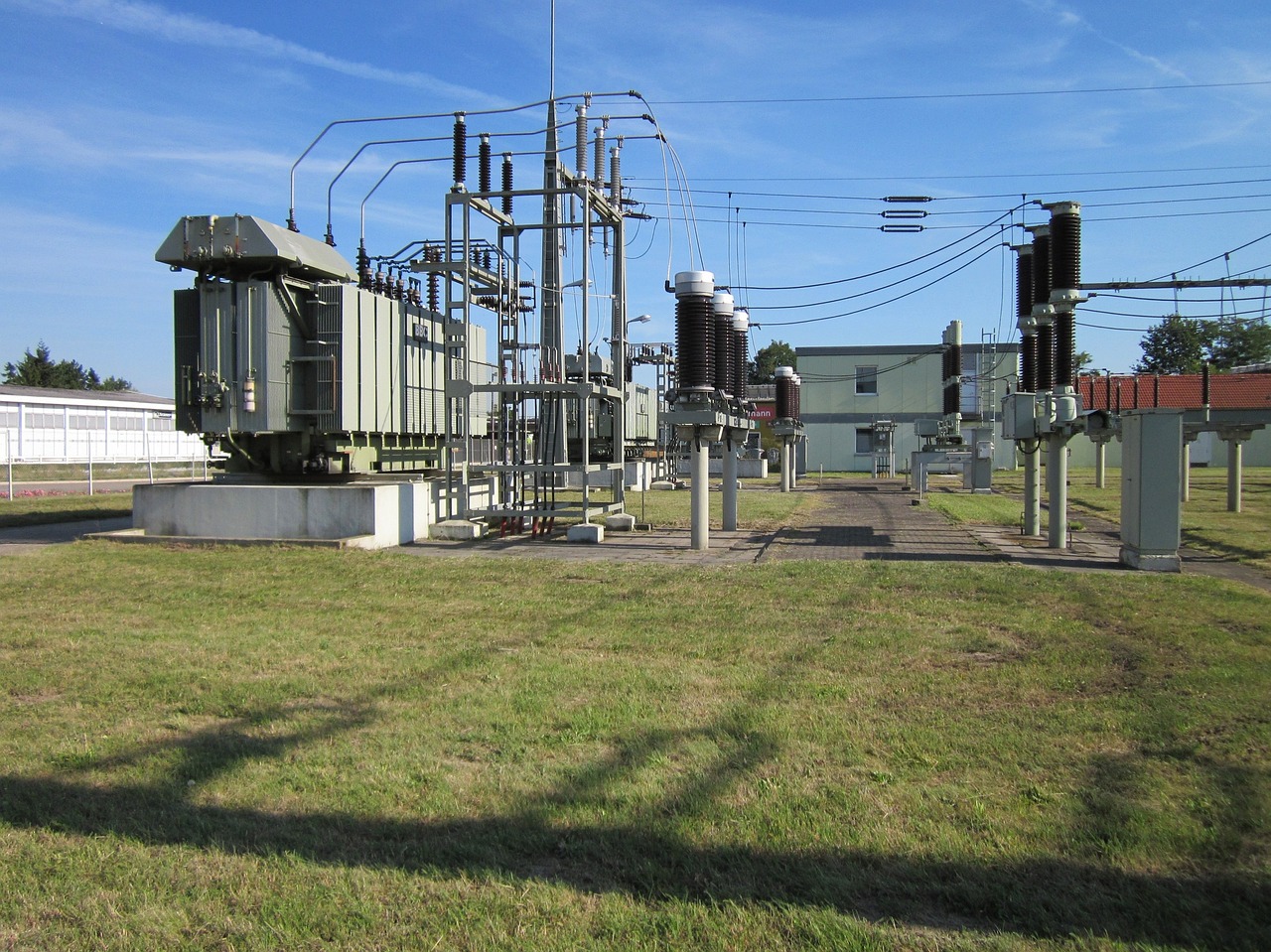
Understanding the difference between clean energy and renewable energy is essential for protecting the planet. For instance, global investments in clean energy reached $2.1 trillion in 2024. By 2025, renewable energy is projected to account for 35% of electricity generation. Companies like Zoliov play a vital role in this transition by providing advanced products such as switchgear and transformers, ensuring reliable power distribution for a sustainable and cleaner future.
Key Takeaways
-
Clean energy cuts pollution and bad gases, helping the planet stay healthy.
-
Renewable energy comes from nature, like sunlight and wind, and refills itself.
-
Both clean and renewable energy help fight climate change and save nature.
-
Spending on clean energy makes jobs and lowers energy prices, helping the economy.
-
Clean energy keeps people healthier by cutting air and water pollution.
-
Solar and wind power are both clean and renewable energy sources.
-
Using clean and renewable energy can save a lot on electricity bills over time.
-
You can help by using energy-saving devices and adding solar panels to your home.
Understanding Clean Energy
What Is Clean Energy?
Clean energy comes from sources that don’t harm the environment. These sources aim to cut down harmful gases like carbon dioxide and sulfur dioxide. Unlike fossil fuels, clean energy focuses on protecting nature while giving us power. For example, solar panels and wind turbines make electricity without polluting the air. This helps fight climate change and supports a healthier planet.
Characteristics of Clean Energy
Clean energy has special features that make it different from regular energy. These include:
-
Low or Zero Emissions: Clean energy doesn’t release harmful gases into the air or water.
-
Sustainability: It uses resources that won’t run out over time.
-
Efficiency: New technology makes clean energy systems work better. For example, better transformers can save up to 80% of energy losses.
-
Global Adoption: More countries are using clean energy. In 2022, Asia Pacific used 1.62% more clean energy, and solar energy grew by 54% worldwide from 2020 to 2022.
These features make clean energy important for today’s energy plans.
Examples of Clean Energy
Nuclear Energy
Nuclear energy is a strong clean energy source. It makes power by splitting atoms, which releases energy. This process doesn’t create harmful gases. But handling nuclear waste and keeping it safe are big challenges. Even with these issues, nuclear energy helps lower carbon emissions.
Hydropower
Hydropower uses moving water to make electricity. Dams and turbines turn water’s energy into power. It works well and doesn’t pollute the air. Hydropower can also store energy using pumped water systems, making it very useful.
Solar Energy
Solar energy collects sunlight with solar panels or cells. It’s one of the fastest-growing clean energy types. From 2020 to 2022, solar energy use went up by 54% worldwide. You can use solar panels on rooftops or in big solar farms. Solar energy is a great way to get power and lower pollution.
Benefits of Clean Energy
Clean energy has many benefits for nature, the economy, and people. Choosing clean energy helps make the planet healthier and the future brighter. Let’s look at some of its main advantages.
Environmental Benefits
Clean energy cuts pollution and fights climate change. Unlike fossil fuels, clean energy sources like solar and hydropower create little or no harmful gases. This means cleaner air and water for everyone. For example, using solar panels or wind turbines reduces carbon dioxide in the air. This slows global warming and protects plants and animals.
Clean energy also protects natural habitats. Fossil fuels need mining or drilling, which harms wildlife. Clean energy systems, like solar farms or hydropower plants, cause less damage to nature. By using clean energy, you help save the planet’s animals and plants.
Economic Benefits
Clean energy helps the economy by creating jobs and lowering energy costs. Solar farms and wind turbines need workers to build, run, and fix them. These projects create thousands of jobs, helping families and communities.
Here’s how clean energy helps the economy:
|
Statistic Description |
Value |
|---|---|
|
Total renewable energy capacity |
Over 5,000 megawatts (MW) |
|
Homes powered by these projects |
Over two million homes |
|
Government earnings from rent/royalties |
Over $660 million since 1982 |
|
Money added to the economy |
Over $13 billion since 1996 |
|
Construction jobs created |
Over 12,000 jobs |
|
Maintenance jobs created |
Over 1,700 jobs |
Clean energy also reduces the need for imported fuels. This makes energy prices more stable and strengthens energy independence. Over time, systems like solar panels can lower your electricity bills, saving you money.
Societal Benefits
Clean energy makes people healthier by reducing air and water pollution. Fossil fuels cause health problems like breathing issues. Clean energy leads to cleaner air, which means fewer health problems for everyone.
Clean energy also brings power to remote areas. Solar panels and small hydropower systems can give electricity to places without power grids. This improves life for millions of people around the world.
Tip: Choosing clean energy saves money and supports a healthier, greener world for future generations.
Clean energy is more than just power. It solves environmental problems, grows the economy, and helps people live better lives. By using clean energy, you help create a better future for everyone.
Understanding Renewable Energy

What Is Renewable Energy?
Renewable energy comes from natural sources that refill over time. These include sunlight, wind, water, and organic materials. Unlike fossil fuels, which take millions of years to form, renewable energy sources are endless. For example, the sun rises daily, giving us solar energy. This makes renewable energy a smart choice for growing power needs.
Scientists group renewable energy by specific rules. These include whether the source refills naturally, is useful for business, and is legally accepted. Here are some key facts:
-
Renewable energy sources don’t run out and refill naturally.
-
Examples include solar, wind, geothermal, biomass, and tidal energy.
-
Laws about renewable energy differ by country, changing how they are defined.
By learning these facts, you’ll see why renewable energy is key to a sustainable future.
Characteristics of Renewable Energy
Renewable energy has special traits that make it different from regular energy. These features make it important for the world’s energy shift:
-
Sustainability: Renewable energy sources never run out. For example, wind and sunlight are always available.
-
Low Environmental Impact: These sources make little or no harmful gases, helping the planet.
-
Economic Potential: Renewable energy creates jobs and lowers the need for imported fuels.
-
Adaptability: Renewable energy works in many places, from big plants to small systems.
The world is moving toward renewable energy. In 2023, people used 90 exajoules of renewable energy. By 2045, renewable energy may make up 30% of global energy use. These numbers show how important renewable energy is becoming.
|
Year |
Renewable Energy Use (Exajoules) |
Global Energy Use Share (%) |
|---|---|---|
|
2023 |
90 |
N/A |
|
2045 |
N/A |
Expected to reach 30% |
|
2050 |
N/A |
N/A |
Examples of Renewable Energy Sources
Solar Energy
Solar energy uses sunlight to make electricity. Solar panels collect sunlight and turn it into energy we can use. This works on rooftops, in big solar farms, or in places without power grids. Solar energy is growing fast. From 2020 to 2022, its use went up by 54%.
Solar energy has many benefits:
-
It doesn’t create harmful gases.
-
It lowers electricity bills over time.
-
It brings power to areas without regular energy systems.
Wind Energy
Wind energy uses moving air to make electricity. Wind turbines catch wind energy and turn it into power. This works well in windy places like coasts and open fields.
Wind energy is now a big part of global energy. It has many advantages:
-
It doesn’t pollute air or water.
-
It creates jobs in building and fixing turbines.
-
It reduces the need for fossil fuels, making countries more energy independent.
Biomass
Biomass energy comes from plants, wood, and farm waste. These materials are burned or processed to make heat, electricity, or biofuels. Biomass is flexible and works for small or big projects.
One example is in Montenegro, where waste is turned into biogas. This cuts harmful gases and gives clean energy.
But not all biomass is clean. Burning some types can pollute, so it must be used carefully.
Benefits of Renewable Energy
Renewable energy has many benefits for nature, the economy, and people. Choosing renewable energy helps make the planet cleaner and the future brighter. Let’s look at its main advantages.
Environmental Benefits
Renewable energy cuts pollution and fights climate change. Unlike fossil fuels, it creates little or no harmful gases. For example, using 25% renewable electricity by 2025 could cut carbon dioxide by 277 million metric tons each year. This is like removing pollution from 70 coal plants. By using renewable energy, you help protect the Earth and its ecosystems.
Switching to renewable energy also saves natural resources. Fossil fuels harm the environment when mined or drilled. Renewable sources like wind and sunlight don’t damage nature as much. This helps keep the planet healthy for future generations.
Economic Benefits
Renewable energy helps the economy by creating jobs and saving money. Building wind turbines and solar farms needs skilled workers. These projects create thousands of jobs, helping families and communities grow.
Using renewable energy also lowers costs over time. Coal’s health and life cycle costs are about $74.6 billion yearly. That’s around 4.36 cents per kilowatt-hour of electricity. Switching to renewable energy reduces these costs and makes energy prices more stable.
Societal Benefits
Renewable energy makes people healthier by reducing pollution. Fossil fuels release harmful gases that cause breathing and heart problems. Cleaner energy sources mean cleaner air and water, which leads to healthier lives.
Renewable energy also brings power to places without electricity. Solar panels and wind turbines can give energy to remote areas. This improves living conditions, schools, and hospitals in these regions.
Did You Know? Using 80% renewable electricity by 2050 could cut emissions from electricity by 81%. This would greatly help in fighting climate change.
By choosing renewable energy, you help build a cleaner and better future. It’s not just about powering homes; it’s about improving life for everyone.
The Difference Between Clean Energy and Renewable Energy
Key Distinctions
Knowing the difference between clean energy and renewable energy is important. Both aim to help the environment but are not the same.
-
Clean energy reduces pollution and harmful gases like carbon dioxide. It includes sources like solar, wind, and nuclear power that don’t pollute during use.
-
Renewable energy comes from natural resources like sunlight, wind, and water. These resources refill over time. But renewable energy can still harm nature, depending on how it’s used.
For instance, nuclear energy is clean because it doesn’t release carbon gases. However, it’s not renewable since uranium, its fuel, doesn’t naturally refill. Hydropower is renewable but not always clean because dams can harm wildlife. These differences show why it’s important to look at both pollution and resource use when choosing energy.
Overlap Between Clean and Renewable Energy
Some energy sources fit into both groups, making them great for sustainability. Solar and wind energy are good examples. They are renewable because sunlight and wind never run out. They are also clean because they don’t create pollution or harmful gases.
Geothermal energy is another example. It uses heat from the Earth, which is renewable. This process creates very little pollution, making it clean too. These examples show how some energy sources can solve both environmental and resource problems.
Examples of Energy Sources That Are One but Not the Other
Nuclear Energy (Clean but Not Renewable)
Nuclear energy makes power by splitting atoms, called fission. This process doesn’t create harmful gases, so it’s clean. But uranium, the fuel for nuclear reactors, is limited and doesn’t refill naturally. This makes nuclear energy non-renewable. Even with this issue, nuclear power helps lower carbon emissions worldwide.
Biomass (Renewable but Not Always Clean)
Biomass energy comes from plants, wood, and farm waste. It’s renewable because these materials can grow back or be replaced. But biomass isn’t always clean. Burning it can release harmful gases like carbon dioxide. Also, using biomass carelessly can lead to deforestation and land problems. To keep biomass useful, it must be managed carefully.
Note: Energy policies suggest looking at both costs and benefits when choosing between clean energy and renewable energy. This helps balance environmental needs with economic goals.
Environmental and Economic Impacts
Environmental Benefits of Clean and Renewable Energy
Clean and renewable energy are great for the environment. They help cut harmful gases and fight climate change. For example, wind and solar power make electricity without burning fuel. This means no carbon dioxide or sulfur dioxide pollutes the air.
Switching to renewable energy also makes the air cleaner. In the EU, using renewable energy lowered sulfur dioxide by 7% and nitrogen oxides by 1% from 2005 to 2017. Cleaner air means fewer health problems, especially in polluted areas. Wind power alone saved $2 billion in health costs, helping vulnerable groups the most.
Renewable energy also protects nature. Fossil fuel mining harms habitats, but solar farms and wind turbines don’t. Choosing clean energy helps save animals and keeps the planet healthy for the future.
|
Evidence Type |
Description |
|---|---|
|
Greenhouse Gas Emissions |
Wind and solar energy greatly reduce harmful emissions. |
|
Air Pollution Reduction |
Renewable energy cuts sulfur dioxide and nitrogen oxides. |
|
Health Benefits |
Wind power improves health, saving billions in costs. |
Economic Benefits of Clean and Renewable Energy
Using clean and renewable energy boosts the economy. It creates jobs, helps local businesses, and saves money over time. For example, the Inflation Reduction Act will add 1.5 million U.S. jobs in the next 10 years. Worldwide, renewable energy jobs grew from 7.3 million in 2012 to 13.7 million in 2022.
Solar energy projects are especially helpful for communities. They create jobs in building and maintaining systems. These projects also bring in more tax money and improve local infrastructure. In the U.S., renewable energy jobs now outnumber fossil fuel jobs by three to one.
Clean energy also saves money. Homes with solar panels pay less for electricity. Over time, these savings grow, especially when paired with electric cars. Investing in clean energy lowers costs and builds a stronger energy system.
|
Statistic |
Value |
|---|---|
|
Total renewable energy jobs in the U.S. |
3.5 million |
|
Job growth rate in renewable energy (2023) |
Over twice the U.S. labor market average |
|
Employment in renewable energy vs. traditional sources |
3 times more workers in renewable energy |
Societal Benefits of Clean and Renewable Energy
Clean and renewable energy improves lives in many ways. It reduces pollution, leading to better health for everyone. Fossil fuels release harmful gases that cause breathing and heart issues. Cleaner energy means healthier air and water for all.
These energy systems also bring power to remote places. Solar panels and small wind turbines give electricity to areas without power grids. This improves living conditions, schools, and healthcare in those regions.
Green energy also supports fairness. It creates jobs for women and marginalized groups, helping communities grow. For example, Zambia has 38% of its renewable energy jobs in mining and processing materials. By 2030, countries like Australia and Brazil will see more jobs from green energy projects.
Tip: Choosing clean and renewable energy helps the planet, supports communities, and improves lives.
The Role of Clean and Renewable Energy in Sustainability
Moving Toward Sustainable Energy
Switching to sustainable energy is key for a cleaner future. This means using clean and renewable sources like solar, wind, and water power instead of fossil fuels. These energy sources cut harmful gases and provide steady power for years ahead.
There are ways to make this change easier. Setting goals to lower pollution helps governments and companies stay focused. Checking how energy is used can save money and reduce waste. Using detailed data, like hourly electricity use and carbon levels, helps match energy supply with demand. These steps make the energy shift more effective and useful.
|
Strategy |
What It Does |
|---|---|
|
Detailed Data |
Tracks electricity use and carbon levels every hour. |
|
Pollution Goals |
Guides governments and industries to cut harmful gases. |
|
Energy Checks |
Finds ways to save energy and money. |
Fairness is also important in this energy shift. Everyone, including poorer communities, should have access to clean energy. Helping workers move from fossil fuel jobs to renewable energy jobs ensures no one is left behind.
Problems With Using Clean and Renewable Energy
Using clean and renewable energy has some problems. Solar panels and wind turbines cost a lot at first, which can stop people from buying them. Poorer areas often face money issues, making it harder to switch to clean energy. Unequal systems also limit access to these energy sources.
Another issue is that some renewable energy depends on weather. Solar panels need sunlight, and wind turbines need wind. Better energy storage, like advanced batteries, can help solve this problem.
Old systems and rules also slow progress. Some places don’t have the right grids to support renewable energy. Governments need to update energy systems to make clean energy easier to use. Teaching people about the benefits of clean energy can also help reduce resistance to change.
Even with these problems, clean and renewable energy is worth it. Solving these issues needs teamwork from governments, businesses, and people.
How You and Your Community Can Help
You can help by supporting clean and renewable energy. Small actions, like using energy-saving appliances or adding solar panels to your home, make a big impact. Communities can work together on projects like shared solar systems, where many homes use energy from one solar setup.
Local groups and companies can help low-income families afford clean energy. For example, renting solar panels makes them cheaper for families with less money. Studies show that areas with local solar companies have more people using solar energy. This shows how important local help is.
|
Evidence Type |
What It Shows |
|---|---|
|
Unequal Access |
Poorer areas use less renewable energy. |
|
Money Problems |
High costs stop some families from using solar energy. |
|
Local Support |
Local groups help more families get clean energy. |
You can also push for clean energy policies. Join local groups that focus on sustainability or take part in clean energy programs. By doing these things, you help create a healthier planet and a better future for everyone.
Clean energy helps lower pollution, while renewable energy uses resources that refill naturally. Both are important for building a sustainable future. Using these energy types fights climate change, cuts harmful gases, and keeps the planet safe for future generations.
You can help by backing clean energy programs and using renewable energy at home. Companies like Zoliov offer products that make energy use better and more reliable. With 20+ years of experience, Zoliov helps industries move toward cleaner and greener solutions.
Contact Zoliov
Find more details about Power Distribution Solution
FAQ
What’s the difference between clean and renewable energy?
Clean energy cuts pollution, while renewable energy uses resources that refill. Some sources, like wind and solar, are both clean and renewable. Others, like nuclear energy, are clean but not renewable.
Can clean and renewable energy work together?
Yes, they often do. Solar and wind energy are examples of both clean and renewable energy. Using them together helps lower pollution and provides steady power.
Why isn’t nuclear energy renewable?
Nuclear energy uses uranium, which is limited and doesn’t refill naturally. It makes little pollution, but its fuel supply is not endless, so it’s not renewable.
Is biomass always clean energy?
No, biomass is renewable but not always clean. Burning it can release harmful gases like carbon dioxide. Careful use is needed to avoid harming the environment.
How does clean energy help the economy?
Clean energy creates jobs in building and fixing systems. It also saves money over time. Solar panels lower electricity bills, and wind farms bring tax money to communities.
What problems do renewable energy sources face?
Renewable energy depends on weather. Solar panels need sunlight, and wind turbines need wind. Batteries and storage systems help solve these problems.
How can you support clean and renewable energy?
You can add solar panels, use energy-saving devices, or join local energy programs. Supporting clean energy laws also helps make a big difference.
Why is switching to clean and renewable energy important?
It lowers pollution, fights climate change, and saves natural resources. This helps keep the planet healthy for future generations.