


Switchgear installation plays a vital role in ensuring the safety, efficiency, and reliability of your electrical systems. Improper installation can lead to severe risks, including electric shocks, fires, and even explosions, endangering both people and property. Loose connections, faulty wiring, or inadequate grounding often cause electrical faults that damage the equipment. These hazards highlight the importance of following installation guidelines closely.
To avoid such dangers, you need professional expertise. Skilled technicians ensure proper setup, minimizing risks and maximizing performance. At Zoliov, we prioritize safety and precision, offering reliable solutions tailored to your needs.
Key Takeaways
-
Installing switchgear correctly is important for safety and efficiency.
-
Hire trained workers to reduce risks and improve system performance.
-
Choose the right switchgear based on voltage and usage needs.
-
Plan ahead by checking power needs and reading instructions.
-
Make sure the site has enough space, air, and a strong base.
-
Install step-by-step, including proper grounding to stay safe.
-
Test everything and keep records to ensure it works well.
-
Check and maintain switchgear often to make it last longer.
Understanding Electrical Switchgear
Definition and Purpose of Electrical Switchgear
Electrical switchgear is a collection of components designed to manage, control, and protect electrical circuits. It plays a critical role in ensuring the safety and reliability of power systems. You can use it to de-energize systems during maintenance or repair, especially when faults like short circuits occur. These faults can cause severe damage and disrupt power supply. The primary purpose of electrical switchgear is to interrupt and manage the flow of electricity under both normal and abnormal conditions. This ensures your system operates efficiently and safely.
Key functions of switchgears include isolating faulty sections, protecting equipment from damage, and maintaining uninterrupted power supply. Components such as relays, breakers, and switches work together to achieve these objectives.
Types of Electrical Switchgear
Low Voltage Switchgear
Low voltage switchgear operates at voltages up to 1kV. It is commonly used in residential buildings, small commercial spaces, and industrial facilities. This type of switchgear is ideal for managing power distribution in environments where safety and reliability are essential.
Medium Voltage Switchgear
Medium voltage switchgear handles voltages ranging from 1kV to 35kV. You will find it in power transmission lines, generator systems, and industrial motors. Its robust design ensures reliable performance in demanding applications.
High Voltage Switchgear
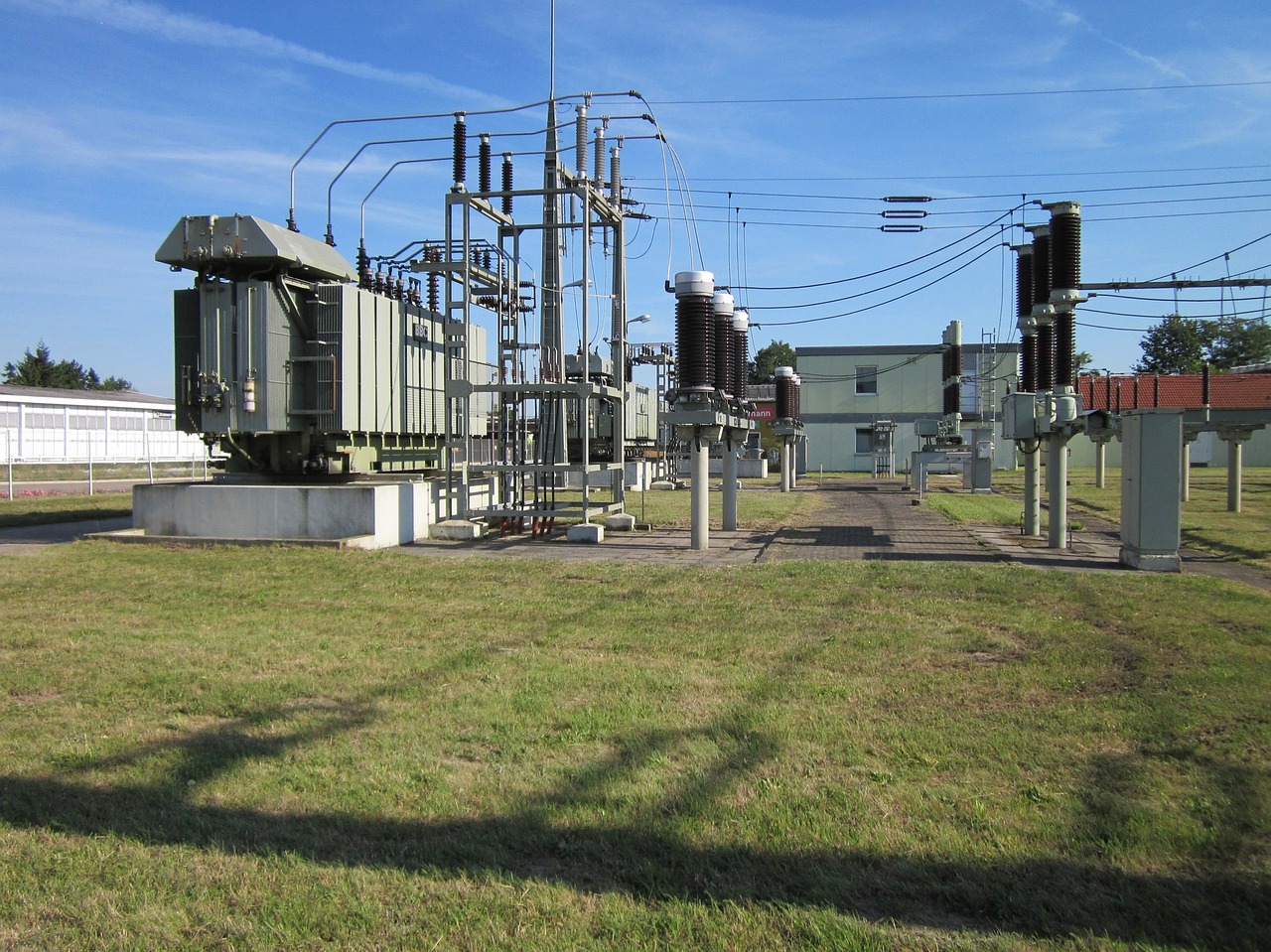
High voltage switchgear operates at voltages above 35kV. It is essential for power generation and transmission systems, substations, and large-scale industrial applications. This type of switchgear ensures stable power delivery in high-demand environments.
|
Voltage Level |
Voltage Range |
Applications |
|---|---|---|
|
Low Voltage |
Up to 1kV |
Residential buildings, small commercial buildings, industrial facilities. |
|
Medium Voltage |
1kV to 35kV |
Power transmission and distribution lines, generator systems, feeder circuits, industrial motors. |
|
High Voltage |
Above 35kV |
Generation and transmission systems, substations, power plants. |
Key Components of Electrical Switchgear
Circuit Breakers
Circuit breakers are essential for protecting your system from overloads and faults. They automatically interrupt the current flow during abnormal conditions, preventing damage to equipment.
Disconnect Switches
Disconnect switches allow you to safely isolate equipment for maintenance. They ensure no power flows to the section being worked on, reducing the risk of accidents.
Protective Relays
Protective relays monitor electrical parameters and detect faults. They trigger breakers to isolate faulty sections, ensuring the system remains operational and safe.
Busbars
Busbars distribute electrical power to various circuits. Their robust design ensures efficient power transfer, even in high-demand applications.
|
Component |
Function |
|---|---|
|
Circuit Breakers |
Automatically interrupt current during faults to protect the system. |
|
Disconnect Switches |
Safely isolate equipment for maintenance. |
|
Protective Relays |
Monitor and control electrical parameters, ensuring system integrity. |
|
Busbars |
Distribute electrical power to various circuits. |
Understanding the components and types of switchgear helps you select the right configuration for your application. Zoliov offers a wide range of solutions, including three-phase electrical switchgear, designed to meet the demands of modern industrial systems.
Step-by-Step Guide to Successful Switchgear Installation

Pre-Installation Planning
Proper planning is the foundation of a successful switchgear installation process. Before starting, you must evaluate several critical factors to ensure the system meets your facility’s needs.
Assessing Power and Load Requirements
Begin by analyzing your facility’s power demands. This includes assessing the total load requirements and identifying peak usage periods. Understanding these factors helps you select the right switchgear circuit breaker and other components that can handle the load efficiently. A mismatch in capacity can lead to system failures or safety hazards.
Switchgear Selection Based on Application
Switchgear selection is crucial for long-term performance and safety. Consider the specific application and environment where the switchgear will operate. For instance, indoor installations may require air-insulated switchgear, while outdoor setups might benefit from gas-insulated switchgear due to its weather resistance. Evaluate factors like voltage rating, short-circuit current rating, and insulation level to ensure compatibility with your system. Additionally, consult manufacturer guidelines to future-proof your system and reduce maintenance costs. Zoliov offers tailored solutions to meet diverse application needs, ensuring flexibility and reliability.
Reviewing Manufacturer Guidelines and Specifications
Manufacturer guidelines provide essential details for proper installation and operation. Review these specifications to confirm that all components, such as relays and fuses, align with your system’s requirements. Following these recommendations enhances safety, reduces downtime, and ensures compliance with industry standards.
Site Preparation for Switchgear Installation
Preparing the installation site is a critical step in the switchgear installation process. A well-prepared site ensures smooth installation and long-term reliability.
Ensuring Adequate Space and Ventilation
Ensure the installation site has enough space for the switchgear and allows proper ventilation. Adequate clearance prevents overheating and facilitates maintenance. For indoor installations, maintain proper air conditioning to control temperature and humidity. Outdoor setups should use enclosures designed to withstand environmental conditions.
Preparing a Level and Continuous Foundation
A stable foundation is essential for positioning and mounting the switchgear. Prepare the floor with base frames and grout them on open trenches. Verify that the foundation is level and continuous to prevent misalignment during installation. Proper preparation minimizes the risk of operational issues.
Verifying Environmental Conditions (e.g., dust, humidity)
Evaluate the environmental conditions at the site. Minimize dust, humidity, and corrosive gases to protect the switchgear from deterioration. For outdoor installations, ensure the enclosure can withstand weather conditions.
Installation Procedures
The installation phase requires precision and adherence to guidelines. Following a step-by-step guide ensures a seamless process.
Positioning and Mounting the Switchgear
Position the switchgear according to the layout plan. Use approved lifting methods to handle components carefully during transportation and unloading. Align the switchgear with the foundation and secure it using bolts. Follow the manufacturer’s torque specifications to ensure stability.
Connecting Primary and Secondary Electrical Components
Connect the primary and secondary electrical components as per the design drawings. Ensure proper cable termination, pulling, and crimping to maintain electrical integrity. Verify that all connections, including the busbar, are rigid and meet electrical regulations. Proper assembly prevents faults and enhances system performance.
Grounding and Bonding for Safety
Grounding and bonding are essential for safety. Provide proper earthing connections to the switchgear to prevent electrical shocks and equipment damage. Follow the manufacturer’s guidelines to ensure compliance with safety standards. This step protects both personnel and equipment, ensuring a reliable system.
By following this step-by-step guide, you can achieve a successful switchgear installation.
Final Testing and Commissioning
Final testing and commissioning ensure your switchgear operates safely and efficiently. This phase verifies that all components function as intended and meet industry standards. Proper testing minimizes risks and ensures long-term reliability.
Conducting Electrical and Functional Tests
You must perform a series of electrical and functional tests to confirm the switchgear’s readiness. These tests identify potential issues and ensure compliance with safety standards. Common tests include:
-
Bolted connection electrical tests
-
Insulation electrical tests
-
Dielectric withstand tests
-
Control wiring electrical tests
-
Instrument transformers
-
Circuit breakers and switches
-
Control power transfer scheme
-
Metering electrical tests
-
Current injection tests
-
System function test
-
Cubicle heaters
-
Surge arresters
-
Dual-source phasing check
Each test evaluates specific aspects of the switchgear. For example, insulation tests check for electrical resistance, while current injection tests verify the accuracy of protective relays. Medium voltage switchgear testing often includes dielectric withstand tests to ensure the system can handle high voltages without failure. By completing these tests, you can confirm that your system is ready for operation.
Verifying System Performance and Safety
System performance verification ensures your switchgear operates reliably under real-world conditions. During this step, you should inspect for common issues such as mechanical wear, insulation failure, and loose connections. Overloading, overheating, and damaged contacts can also compromise performance.
Follow a structured approach to identify and address these problems. Start by checking for arcing or short-circuiting, which can damage components. Inspect the control circuits for malfunctions and ensure the circuit breakers trip correctly. Look for signs of corrosion or rust, as these can weaken the system over time. Addressing these issues during commissioning prevents future failures and enhances safety.
Documenting Installation Results for Compliance
Documenting the results of your tests and inspections is essential for regulatory compliance. Create detailed records of each test, including the methods used and the outcomes. Note any adjustments or repairs made during the commissioning process. This documentation serves as proof that your installation meets industry standards and provides a reference for future maintenance.
Organize your records into categories, such as electrical tests, functional tests, and system performance checks. Include photographs, diagrams, and test reports to create a comprehensive file. Proper documentation not only ensures compliance but also simplifies troubleshooting and maintenance in the future.
Safety and Compliance Considerations for Switchgear Installation

Ensuring safety during switchgear installation is essential for protecting both personnel and equipment. By following proper safety measures and adhering to industry standards, you can prevent accidents and maintain the reliability of your electrical systems. Zoliov emphasizes the importance of keeping electrical switchgear safe through effective safety management and compliance practices.
Key Safety Measures
Using Personal Protective Equipment (PPE)
Wearing the right personal protective equipment (PPE) is critical for maintaining electrical equipment safety. You should always use insulated gloves, safety glasses, and flame-resistant clothing when working with switchgear. These items protect you from electrical shocks, arc flashes, and other hazards. Additionally, ensure that your PPE meets industry standards to provide maximum protection.
Implementing Lockout/Tagout Procedures
Lockout/tagout procedures are vital for safe working practices. These procedures ensure that all energy sources are isolated before maintenance or installation begins. Use lockout devices to physically disconnect the power supply and attach warning tags to alert others. This prevents accidental energization, reducing the risk of injuries. Always double-check that the system is de-energized before proceeding.
Ensuring Proper Grounding and Bonding
Proper grounding and bonding are essential safety features in switchgear installation. Grounding directs excess electrical energy safely into the earth, preventing shocks and equipment damage. Bonding connects all metallic parts to create a continuous electrical path, ensuring the system operates safely. Follow manufacturer guidelines to verify that all connections meet safety standards.
Compliance with Industry Standards
Adhering to industry standards ensures electrical safety at work and enhances energy efficiency. Neglecting compliance can lead to severe risks, including electrical shocks, fires, and explosions.
National Electrical Code (NEC) Requirements
The NEC outlines essential guidelines for switchgear installation. These include proper wiring methods, grounding techniques, and equipment placement. Following these requirements ensures your system operates safely and efficiently. Regularly review NEC updates to stay compliant with the latest standards.
OSHA Guidelines for Electrical Safety
OSHA guidelines focus on protecting workers from electrical hazards. Key recommendations include providing PPE, implementing lockout/tagout procedures, and training employees on safe working practices. OSHA also emphasizes the importance of regular inspections and maintenance to keep systems safe. By following these guidelines, you can create a safer work environment.
Adhering to Manufacturer-Specific Standards
Manufacturers like Zoliov provide detailed specifications to ensure proper installation and operation. These standards often align with industry regulations such as IEC 62271-200 and UL 891. Following these guidelines enhances safety and extends the lifespan of your switchgear. Always consult the manufacturer’s documentation to ensure compliance.
By prioritizing safety and compliance, you can achieve a reliable and efficient switchgear installation. Zoliov’s expertise in power distribution equipment ensures that your system meets all necessary standards, keeping electrical switchgear safe and operational for years to come.
Maintenance Best Practices for Long-Term Reliability
Switchgear maintenance is essential for ensuring the long-term reliability and safety of your electrical systems. By following best practices, you can prevent unexpected failures, extend the lifespan of your equipment, and maintain operational efficiency.
Routine Inspections
Routine inspections form the backbone of a reliable maintenance program. They help you identify potential issues before they escalate into costly problems.
Visual Inspections for Wear, Damage, and Corrosion
Visual inspections allow you to detect early signs of wear, damage, and corrosion. Follow these steps to ensure thorough inspections:
-
Examine the external surfaces of the switchgear enclosure for visible damage.
-
Look for signs of overheating, such as burnt or discolored areas.
-
Open access panels to inspect internal components.
-
Check insulation materials for wear, tearing, or damage.
-
Inspect contacts and conductors for corrosion or visible damage.
-
Look for moisture intrusion, such as rust, water stains, or mold.
-
Document all findings for future reference.
Using advanced tools like thermal imaging and infrared inspections can help you identify hotspots and hidden issues. Continuous monitoring systems also provide real-time updates on the condition of your switchgear.
Checking Electrical Connections and Components
Regularly check electrical connections to ensure they remain secure and free from corrosion. Loose connections can lead to overheating and system failures. Cleaning and torqueing connections during planned outages can reduce risks and improve reliability. Inspect mechanical components, such as hinges and latches, for wear or damage to maintain smooth operation.
Testing and Diagnostics
Testing and diagnostics are critical for assessing the performance of your switchgear components. These tests help you identify faults and ensure compliance with switchgear maintenance requirements.
Insulation Resistance Testing
Insulation resistance testing evaluates the condition of the insulation system. Use a megohmmeter to apply high voltage between conductors and ground, measuring the current through the insulation. Perform this test annually or after significant system changes. Follow the manufacturer’s guidelines for test voltage levels to ensure accurate results.
Circuit Breaker Performance Testing
Circuit breaker testing measures the timing and operation of the breaker mechanism. This test ensures the breaker can interrupt current and handle fault levels effectively. Regular testing prevents unexpected shutdowns and reduces the risk of equipment damage. For medium-voltage switchgear, include dielectric withstand tests to verify the system’s ability to handle high voltages.
Record-Keeping and Documentation
Maintaining detailed records is vital for tracking the condition and performance of your switchgear over time. Proper documentation simplifies troubleshooting and supports compliance with industry standards.
Maintaining Detailed Maintenance Logs
Create comprehensive logs during each inspection and maintenance activity. Record the condition of components, measurements, and any identified issues. Use a computerized maintenance management system (CMMS) to store and organize this data. A CMMS also helps you optimize maintenance schedules and track costs.
Tracking Repairs, Replacements, and Upgrades
Keep a record of all repairs, replacements, and upgrades performed on your switchgear. This information provides valuable insights into the equipment’s history and helps you plan future maintenance activities. Detailed records also support trend analysis, allowing you to identify recurring issues and address them proactively.
By adhering to these maintenance best practices, you can enhance the reliability and efficiency of your switchgear systems.
Proper switchgear installation ensures the safe and reliable operation of your electrical systems. By planning carefully, preparing the site, inspecting equipment, securing connections, and conducting thorough testing, you can achieve efficient and trouble-free performance.
Proper installation guarantees safety, reliability, and efficiency in power distribution systems. It minimizes risks and ensures long-term operational success.
To maintain safety, follow industry standards and conduct regular maintenance. These practices prevent failures and extend the lifespan of your equipment.
For tailored solutions and expert support, trust Zoliov. With over 20 years of experience, Zoliov delivers reliable, customized power distribution equipment to meet your unique needs.
Contact Zoliov
Find more details about Power Distribution Solution
FAQ
What is the purpose of switchgear in an electrical system?
Switchgear manages, controls, and protects electrical circuits. It ensures safe power distribution by isolating faulty sections and preventing damage during abnormal conditions.
How do you choose the right switchgear for your needs?
Evaluate your power requirements, voltage levels, and application environment. Consider factors like load capacity, insulation type, and safety features.
Why is grounding important during switchgear installation?
Grounding protects against electrical shocks and equipment damage by directing excess energy safely into the earth. Proper grounding ensures system safety and compliance with industry standards.
How often should you inspect switchgear?
Perform routine inspections at least once a year. Check for wear, corrosion, and loose connections. Regular maintenance prevents failures and extends equipment lifespan.
What safety measures should you follow during installation?
Always wear personal protective equipment (PPE), implement lockout/tagout procedures, and verify proper grounding. These steps protect you from electrical hazards.
Can switchgear operate in extreme environments?
Yes, but you must choose the right type. For outdoor setups, use weather-resistant enclosures. Indoor installations require proper ventilation and temperature control.
What tests are necessary before commissioning switchgear?
Conduct electrical and functional tests, including insulation resistance, circuit breaker performance, and system function tests. These ensure safety and reliability.
Why should you document switchgear installation and maintenance?
Documentation ensures compliance with industry standards and simplifies troubleshooting. It helps track repairs, replacements, and upgrades. Zoliov recommends maintaining detailed records to enhance system reliability and support future maintenance.
For expert guidance and reliable power distribution solutions, trust Zoliov. With over 20 years of experience, Zoliov ensures your switchgear installation meets the highest safety and performance standards.