


Energy storage systems play a vital role in modern energy management by demonstrating how energy storage systems work. They capture, store, and release energy to balance supply and demand, ensuring the electric grid remains stable. These systems convert energy into storable forms like electricity or heat and discharge it when needed. For example, battery storage can reduce blackouts by over 30%, enhancing grid reliability in areas with high renewable energy use.
Zoliov, a leader in power distribution equipment, offers innovative medium and low voltage solutions that align with how energy storage systems work. From electrical switchgear to compact substations, Zoliov’s products ensure efficient energy storage and distribution. With over 20 years of expertise, Zoliov delivers reliable, tailored solutions to meet your energy needs.
Key Takeaways
-
Energy storage systems save energy to use when it’s needed most.
-
They help renewable energy by keeping extra energy for later use.
-
Lithium-ion batteries are common and work for homes and businesses.
-
These systems cut down on fossil fuel use, making the air cleaner.
-
Storing energy during cheap times can help lower electricity bills.
-
They give backup power during blackouts, keeping important places running.
-
New ideas like hydrogen storage and supercapacitors are changing energy use.
-
Using energy storage can help communities and support a greener future.
What Are Energy Storage Systems?
Definition and Purpose of Energy Storage
Energy storage systems are essential for modern energy management. According to the 2020 NEC 706.2, these systems consist of components that store energy and deliver it to electrical networks or premises wiring systems. Their primary purpose is to ensure energy availability when demand exceeds supply. For instance, large-scale applications can prevent energy curtailment and optimize price arbitrage, making them economically viable when battery costs range between $30 and $50 per kilowatt-hour.
Energy storage also plays a critical role in supporting renewable energy sources. By capturing excess energy generated during peak production periods, these systems store it for later use. This process ensures a steady energy supply even when renewable sources like solar or wind are unavailable due to weather conditions or time of day.
Importance of Energy Storage in Modern Energy Management
Energy storage is vital for maintaining grid stability and reliability. It replaces fossil fuel peaker plants, reducing air pollution and improving public health. In urban areas, energy storage meets peak demands, alleviating strain on the grid and preventing electricity cost spikes. Additionally, it provides backup power during outages, enhancing resilience during extreme weather events.
Regulatory support further underscores its importance. In 2018, the Federal Energy Regulatory Commission (FERC) encouraged the expansion of battery storage by allowing these resources to participate in all wholesale markets. This initiative highlights the growing recognition of energy storage as a solution to resource variability and grid threats.
The increasing demand for electric vehicles and advancements in battery technology also drive the adoption of energy storage systems. These trends, coupled with the rising need for grid stabilization, make energy storage a cornerstone of modern energy management.
Key Components of Energy Storage Systems
Energy storage systems consist of several key components that determine their performance and efficiency. Batteries are the most common storage medium, with types like lithium-ion, lead-acid, and flow batteries offering varying energy densities and power densities. For example, lithium-ion batteries provide energy densities of 200-400 Wh/liter and power densities of 1300-10000 W/liter, making them ideal for high-performance applications.
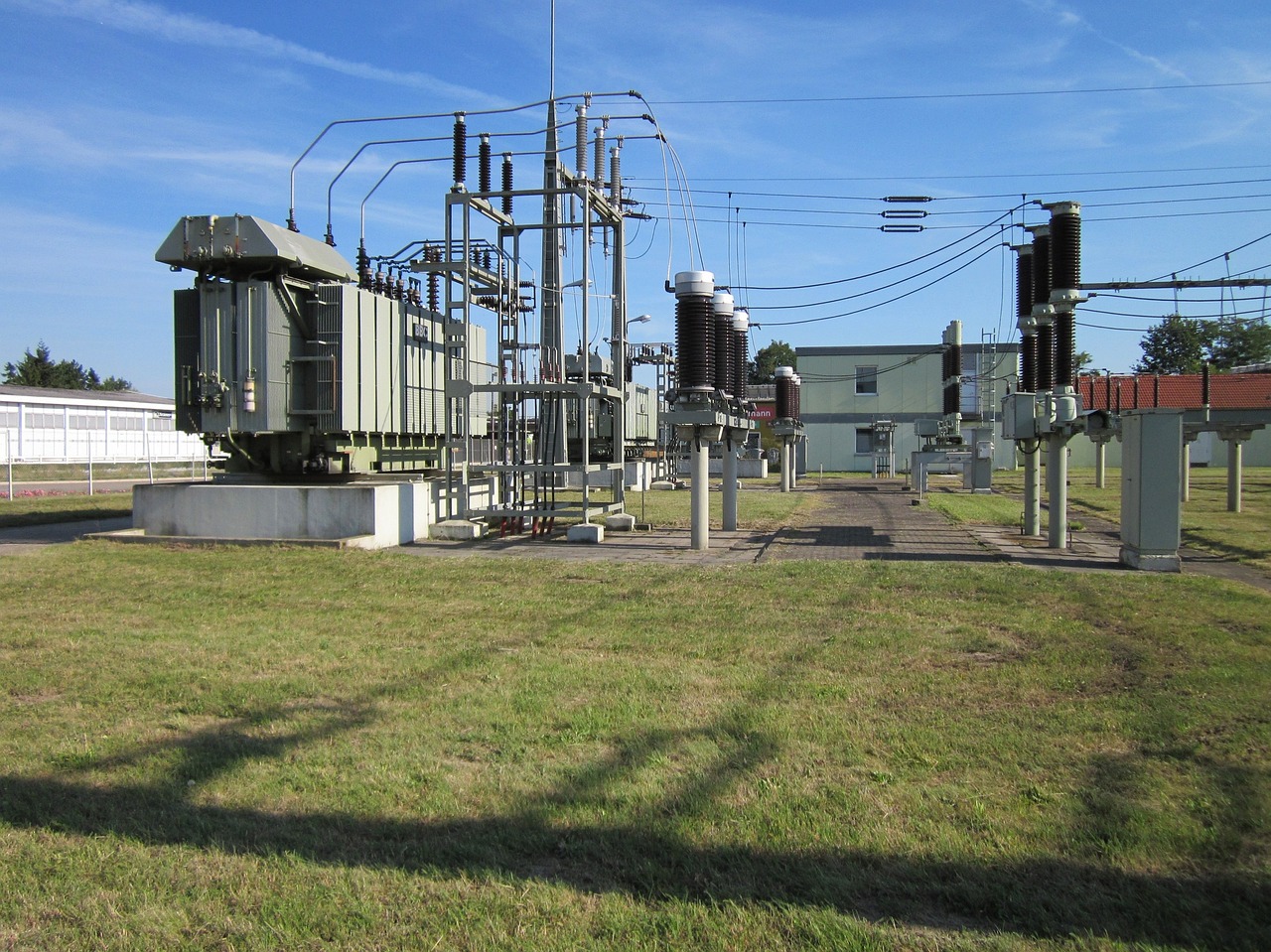
Other components include power conversion systems, transformers, switchgear, and monitoring and control systems. These elements work together to store, convert, and distribute energy effectively. Performance metrics such as storage capacity, round-trip efficiency, and discharge rates are crucial for evaluating system effectiveness. Storage capacity, measured in kilowatt-hours (kWh) or megawatt-hours (MWh), indicates the total energy a system can hold. Round-trip efficiency reflects the percentage of energy retrieved compared to what was stored, ensuring minimal energy loss during operation.
The integration of these components enables energy storage systems to meet diverse energy needs, from stabilizing grids to supporting renewable energy sources.
How Energy Storage Systems Work
Energy Conversion and Storage Processes
Energy storage systems rely on advanced processes to convert and store energy efficiently. These systems capture energy from various sources, such as solar panels, wind turbines, or the electrical grid, and transform it into a storable form. For example, batteries store energy as chemical potential, while pumped hydro storage uses gravitational potential by moving water to elevated reservoirs.
The conversion process depends on the type of energy storage technology. Lithium-ion batteries, for instance, use electrochemical reactions to store and release energy. In contrast, flywheels store energy as rotational kinetic energy. Each method ensures that energy is preserved until it is needed, making these systems essential for balancing supply and demand.
By understanding how energy storage works, you can appreciate the role of these systems in modern energy management. They not only store excess energy but also ensure its availability during peak demand or when renewable sources are inactive.
Energy Release and Distribution Mechanisms
Once stored, energy must be released and distributed effectively to meet demand. Energy storage systems use power conversion systems to transform stored energy back into usable electricity. For instance, batteries discharge energy through an inverter, converting direct current (DC) into alternating current (AC) for grid use.
The efficiency of energy release varies across technologies. The table below highlights the round-trip efficiency of different storage systems, showing how much energy is retained during the storage and release process:
|
Storage System |
Round-trip Efficiency (%) |
|---|---|
|
Lead-Acid battery |
75-90 |
|
Li-ion battery |
85-98 |
|
Pumped hydro storage |
70-80 |
|
Compressed air energy storage |
41-75 |
|
Flywheel |
80-90 |
|
Hydrogen |
34-44 |
|
Double layer capacitors |
85-98 |
|
Vanadium redox flow battery |
60-75 |
Efficient energy release ensures minimal losses, making these systems reliable for various applications. Whether powering homes, stabilizing grids, or supporting electric vehicles, energy storage systems play a critical role in energy distribution.
Efficiency and Performance of Energy Storage Systems
The performance of energy storage systems depends on several key indicators. Depth of discharge measures the amount of energy released during a single cycle relative to the system’s total capacity. A higher depth of discharge indicates better utilization of stored energy.
Energy density is another crucial factor. It determines how much energy a system can store per unit mass, influencing its size and weight. Lithium-ion batteries, for example, offer high energy density, making them ideal for portable and compact applications.
The table below outlines additional performance metrics:
|
Indicator Type |
Description |
|---|---|
|
Depth of discharge |
Ratio of electrical energy released in a single discharge cycle relative to total energy storage capacity. |
|
Average energy density |
Average value of energy stored per unit mass. |
|
Overall efficiency of the power station |
Ratio of power on-grid to power off-grid during production operation. |
|
Power plant energy storage loss rate |
Ratio of energy loss during storage. |
By optimizing these metrics, you can enhance the efficiency and reliability of energy storage systems. This ensures that energy is not only stored effectively but also delivered with minimal losses, supporting a sustainable energy future.
Types of Energy Storage Technologies

Energy storage technologies are essential for managing energy supply and demand effectively. These technologies ensure energy availability during peak periods and support renewable energy integration. Let’s explore some of the most prominent types of energy storage systems.
Battery Energy Storage Systems
Battery energy storage systems are among the most versatile and widely used energy storage technologies. They store energy in chemical form and release it as electricity when needed. These systems are scalable, making them suitable for applications ranging from small residential setups to large-scale grid stabilization.
Lithium-Ion Batteries
Lithium-ion batteries dominate the battery energy storage market due to their high energy density, efficiency, and long cycle life. Among these, Lithium Iron Phosphate (LFP) batteries stand out for their durability and safety. They can achieve up to 10,000 cycles, significantly outperforming other battery types, which often last only around 500 cycles. LFP batteries are also less prone to thermal runaway, making them a safer choice for energy storage applications. Their cost-effectiveness and reliability make them ideal for both residential and industrial use.
Flow Batteries
Flow batteries offer a unique approach to energy storage by using liquid electrolytes stored in external tanks. This design allows for easy scalability, as increasing the tank size can expand the system’s energy capacity. Flow batteries are particularly suitable for long-duration energy storage, as they can provide consistent power over extended periods. While their energy density is lower than lithium-ion batteries, their ability to handle frequent charge and discharge cycles without significant degradation makes them a valuable option for grid-scale applications.
Pumped Hydro Storage
Pumped hydro storage is the oldest and most widely used form of energy storage, accounting for over 94% of the world’s long-duration energy storage capacity. This system works by pumping water to an elevated reservoir during periods of low energy demand and releasing it through turbines to generate electricity during peak demand.
For example, the Fengning Pumped Storage Power Station in China has a capacity of 40-60 GWh, enough to power approximately 20 million homes daily. In India, pumped hydro storage systems currently provide 4.74 GW of capacity, with an additional 2.7 GW under construction. These systems are crucial for managing energy fluctuations, especially in regions with high solar and wind energy penetration.
Thermal Energy Storage
Thermal energy storage systems store energy in the form of heat or cold, which can later be used for heating, cooling, or electricity generation. These systems often use materials like molten salts or phase-change materials to retain heat. Thermal energy storage is particularly effective for balancing energy supply and demand in concentrated solar power plants. By storing excess heat generated during the day, these systems ensure a steady energy supply even after sunset. This makes them a valuable asset for renewable energy integration and grid stability.
Mechanical Energy Storage
Mechanical energy storage systems store energy in physical forms like motion or pressure. These systems are highly durable and can provide rapid energy discharge, making them suitable for applications requiring quick bursts of power.
Flywheels
Flywheels store energy as rotational kinetic energy. You can think of them as spinning wheels that accelerate to store energy and decelerate to release it. A motor spins the flywheel, and when energy is needed, the spinning motion generates electricity. Flywheels are known for their high efficiency, often exceeding 85%, and their ability to handle frequent charge and discharge cycles without significant wear.
Flywheels are ideal for short-duration energy storage. For example, they stabilize power grids by providing quick bursts of energy during sudden demand spikes. They are also used in uninterruptible power supplies (UPS) to ensure continuous power during outages. Their long lifespan and minimal maintenance requirements make them a reliable choice for modern energy systems.
Compressed Air Energy Storage
Compressed air energy storage (CAES) systems store energy by compressing air and storing it in underground caverns or tanks. When energy is needed, the compressed air is released, driving turbines to generate electricity. CAES systems are particularly effective for large-scale energy storage, offering capacities that can support grid-level applications.
One advantage of CAES is its ability to store energy for extended periods without significant losses. These systems are often paired with renewable energy sources like wind and solar to balance supply and demand. For instance, during periods of low energy demand, excess electricity compresses air for storage. When demand rises, the stored air generates electricity, ensuring a steady energy supply.
Emerging Energy Storage Technologies
Emerging energy storage technologies are shaping the future of energy management. These innovations aim to address the limitations of existing systems, offering higher efficiency, scalability, and sustainability.
Hydrogen Storage
Hydrogen storage involves converting electricity into hydrogen through electrolysis. The hydrogen is then stored in tanks and can be converted back into electricity using fuel cells. This technology is gaining traction due to its potential for long-duration energy storage and its ability to integrate with renewable energy sources.
Hydrogen storage is particularly valuable for applications requiring large-scale energy storage. For example, it can store excess energy generated by solar and wind farms, ensuring a consistent energy supply even during periods of low production. Additionally, hydrogen can be used as a clean fuel for transportation, further expanding its utility.
Supercapacitors
Supercapacitors store energy in an electric field, allowing for rapid charging and discharging. Unlike batteries, which rely on chemical reactions, supercapacitors use physical processes, resulting in longer lifespans and higher efficiency. They are ideal for applications requiring quick energy bursts, such as electric vehicles and grid stabilization.
Supercapacitors are also highly durable, with lifespans exceeding one million charge and discharge cycles. Their ability to operate in extreme temperatures makes them suitable for various environments. As advancements continue, supercapacitors are expected to complement batteries, offering a hybrid solution for energy storage.
The global energy storage market is projected to reach 1,500 GWh by 2040, driven by innovations like hydrogen storage and supercapacitors. Corporate investments in battery energy storage systems have increased by 300% in the last five years, highlighting the growing interest in advanced energy storage technologies.
Applications of Energy Storage Systems

Renewable Energy Integration and Optimization
Energy storage systems are essential for integrating renewable energy sources like solar and wind into the electric grid. These systems store excess energy generated during peak production periods and release it when renewable energy supply is low. For example, solar-plus-storage solutions allow you to capture surplus solar energy during the day and use it at night, ensuring a steady energy supply. This capability not only optimizes energy distribution but also enhances reliability during high-demand periods.
Modernizing grid storage options is critical for supporting renewable energy integration. By storing energy when production exceeds demand, you can reduce energy curtailment and maximize the use of renewable resources. This approach ensures that renewable energy remains a viable and consistent power source, even during unfavorable weather conditions or at night.
Enhancing Grid Stability and Reliability
Energy storage systems play a vital role in maintaining grid stability and reliability. They provide rapid power deployment during peak demand, helping to prevent blackouts. For instance:
-
These systems balance supply and demand, reducing reliance on traditional power plants.
-
Utility-scale battery storage can stabilize the grid by injecting stored energy during sudden demand spikes or outages.
Proactive management and technological advancements ensure that energy storage systems respond effectively to grid demands. For example, during extreme weather events, battery systems can prevent outages by supplying stored energy to vulnerable areas. This capability is crucial for regions prone to natural disasters, where maintaining a stable power supply is essential.
Energy storage also modernizes the grid by improving its efficiency. By integrating renewable energy sources and managing peak demand, these systems create a more resilient and reliable energy infrastructure.
Backup Power Solutions for Homes and Businesses
Energy storage systems provide reliable backup power solutions for homes and businesses. They ensure uninterrupted power during outages, making them invaluable for critical facilities like hospitals and data centers. Solar-plus-storage systems are particularly effective, as they combine solar energy generation with battery storage to deliver consistent power.
The table below highlights various use cases for backup power solutions:
|
Use Case |
Description |
Notes |
|---|---|---|
|
Facility-level islanding |
Keeps facilities operational when the grid is unavailable. |
Used in hospitals, data centers, and other critical facilities. |
|
Multi-facility islanding |
Supports multiple facilities through microgrids. |
Ideal for campuses, military bases, and communities during emergencies. |
|
Area microgrid services |
Supplies power to isolated distribution feeders. |
Protects downstream operations when upstream power is unavailable. |
|
Dynamic grid-balancing services |
Stabilizes wide areas by injecting large amounts of energy into the grid. |
Often used in utility-scale installations interconnected at the transmission level. |
|
Black start services |
Restores generation services for broader areas affected by outages. |
Requires coordination between generators and distribution systems. |
|
Firming renewable generation |
Combines energy storage with renewables to prevent outages. |
Ensures consistent power supply in areas with high renewable energy penetration. |
By adopting energy storage systems, you can protect your home or business from power disruptions while supporting a cleaner and more sustainable energy future.
Energy Storage in Electric Vehicles and Transportation
Energy storage systems are revolutionizing the transportation sector, especially with the rise of electric vehicles (EVs). These systems store energy efficiently, enabling EVs to operate with lower emissions and higher reliability. By adopting energy storage technologies, you can contribute to a cleaner environment while enjoying the benefits of modern transportation.
One of the most significant impacts of energy storage in EVs is the reduction of greenhouse gas emissions. EVs powered by energy storage systems produce far fewer emissions compared to internal combustion engine (ICE) vehicles. The table below highlights the measurable environmental benefits:
|
Vehicle Category |
Annual Miles |
ICE Emissions (kg CO2/mile) |
EV Emissions (kg CO2/mile) |
Impact (kg CO2 avoided) |
|---|---|---|---|---|
|
Passenger Cars |
12,000 |
0.4 |
0.1 |
3,600 |
|
Delivery Vans |
25,000 |
0.6 |
0.15 |
11,250 |
|
Total Impact |
14,850 |
By switching to EVs, you can help avoid thousands of kilograms of CO2 emissions annually, making a significant contribution to combating climate change.
Energy storage systems also enhance the infrastructure supporting EVs. Fast-charging stations equipped with energy storage can operate more profitably by reducing electricity costs during peak demand. These systems alleviate grid stress, ensuring that charging stations remain functional even in regions with underdeveloped grid infrastructure. This means you can rely on a stable and accessible charging network, no matter where you travel.
-
Key Benefits of Energy Storage in EV Infrastructure:
-
Improves the profitability of EV fast-charging stations.
-
Reduces grid stress during high-demand periods.
-
Expands EV adoption in areas with limited grid capacity.
-
In addition to environmental and infrastructure benefits, energy storage systems improve the performance of EVs. They provide consistent power delivery, extending the range and lifespan of EV batteries. This ensures that your EV remains efficient and reliable over time, offering a seamless driving experience.
Energy storage is transforming transportation by making EVs more sustainable, accessible, and efficient. By embracing these technologies, you can drive into a future where transportation is not only convenient but also environmentally responsible.
Benefits of Energy Storage Systems
Improving Energy Efficiency and Reducing Waste
Energy storage systems enhance energy efficiency by optimizing how energy is used and distributed. These systems store surplus energy during periods of low demand and release it when demand increases. This process reduces energy waste and ensures that no excess energy goes unused. For example, batteries in solar energy systems capture extra energy generated during sunny hours, making it available at night when solar panels are inactive.
You can also benefit from reduced energy losses during transmission. By storing energy closer to where it is consumed, energy storage systems minimize the need for long-distance transmission, which often leads to energy dissipation. This localized approach not only improves efficiency but also supports the sustainability of the electric grid.
Additionally, energy storage systems help balance supply and demand, preventing overproduction and underutilization of energy resources. This balance is crucial for maintaining a stable and efficient energy network, especially as the world transitions to renewable energy sources.
Lowering Energy Costs for Consumers and Businesses
Energy storage systems provide significant cost-saving opportunities for both consumers and businesses. By using stored energy during peak demand periods, you can avoid high electricity rates and reduce overall energy expenses. Businesses, in particular, benefit from lower demand charges, which often make up a large portion of their electricity bills.
-
These systems allow you to participate in demand response programs, where reducing energy use during peak times earns financial rewards.
-
Time-of-use pricing becomes advantageous as you can store energy when rates are low and use it when rates are high.
-
Shifting energy consumption to off-peak hours minimizes costs and helps you manage energy budgets more effectively.
For businesses, energy storage systems also improve operational efficiency. By ensuring a steady energy supply, these systems prevent costly disruptions caused by power outages or grid instability. This reliability is especially valuable for industries that rely on continuous power, such as manufacturing and healthcare.
Supporting Decarbonization and Climate Goals
Energy storage systems play a pivotal role in achieving global decarbonization and climate goals. By integrating with renewable energy sources like solar and wind, these systems enable a cleaner energy transition. They store renewable energy during peak production and release it when needed, ensuring a consistent and sustainable energy supply.
You contribute to reducing greenhouse gas emissions by adopting energy storage technologies. These systems replace fossil fuel-based power plants during peak demand, significantly lowering carbon footprints. For instance, battery storage systems paired with renewable energy can eliminate the need for coal or gas-fired peaker plants, which are major sources of pollution.
Energy storage also supports the electrification of transportation, a key component of the energy transition. Electric vehicles powered by batteries produce fewer emissions compared to traditional vehicles. By embracing energy storage, you help create a cleaner environment and support the global shift toward sustainability.
🌍 Tip: Investing in energy storage systems not only benefits you financially but also contributes to a greener planet. Every step toward sustainability helps combat climate change and ensures a better future for generations to come.
Expanding Energy Access in Remote and Underserved Areas
Energy storage systems are transforming how you can access electricity in remote and underserved areas. These systems bridge the gap between energy production and consumption, ensuring reliable power even in regions far from centralized grids. By storing energy generated from renewable sources like solar or wind, they provide a consistent supply of electricity to communities that previously relied on expensive and polluting diesel generators.
One of the most effective solutions for expanding energy access is the use of microgrids. These localized energy systems combine renewable energy sources with energy storage to create a self-sufficient power network. Microgrids offer several advantages:
-
They enhance energy resilience by maintaining power during outages or emergencies.
-
Their scalability allows you to add more renewable sources as energy needs grow.
-
They stimulate local economies by creating jobs and supporting small businesses.
For example, in rural areas of Africa and Southeast Asia, microgrids powered by solar panels and batteries have brought electricity to villages for the first time. This access has improved education by enabling schools to operate after dark and has enhanced healthcare by powering medical equipment in clinics. You can see how energy storage systems not only provide electricity but also uplift entire communities.
Energy storage systems also reduce the cost of electricity in remote areas. Traditional energy sources like diesel are expensive to transport and maintain. By switching to renewable energy paired with storage, you can lower operational costs and make electricity more affordable. This affordability encourages wider adoption, ensuring that even low-income households can benefit from reliable power.
💡 Did You Know?
Over 1 billion people worldwide still lack access to electricity. Energy storage systems play a critical role in closing this gap, especially in regions with abundant renewable energy potential.
As you consider the impact of energy storage, it’s clear that these systems do more than just provide power. They empower communities, improve living standards, and support sustainable development. By investing in energy storage technologies, you contribute to a future where everyone has access to clean, reliable, and affordable energy.
The Future of Energy Storage
Innovations in Battery Energy Storage Systems
Battery energy storage continues to evolve with groundbreaking advancements. New battery chemistries, such as solid-state designs, promise higher energy density, faster charging, and improved safety. These batteries eliminate the liquid electrolytes found in traditional lithium-ion systems, reducing risks like overheating. Sodium-ion batteries are also gaining attention for their affordability and use of non-toxic materials, making them ideal for stationary applications.
Emerging trends include modular and hybrid systems. Modular designs allow you to customize energy storage solutions for specific needs, whether for residential or industrial use. Hybrid systems combine different battery types to optimize performance and cost, ensuring flexibility across diverse applications.
Artificial intelligence (AI) is another game-changer. AI enhances battery management by predicting maintenance needs and optimizing performance. This technology extends battery lifespan and ensures efficient energy use. The table below highlights key features of innovative battery types and their applications:
|
Battery Type |
Key Features |
Applications |
|---|---|---|
|
Lithium-ion |
High energy density, quick charging, numerous charge cycles |
EVs, grid-scale storage |
|
Vanadium flow |
Near-unlimited capacity, excels at long-duration storage |
Large-scale grid storage |
|
Sodium-ion |
Low-cost, non-toxic materials, suitable for stationary storage |
Stationary applications |
|
Solid-state |
More energy, faster charging, safer than conventional designs |
Future battery tech |
|
Modular systems |
Customized energy storage for diverse applications |
Various applications |
|
Hybrid systems |
Integrates multiple battery types for optimized performance and cost |
Diverse applications |
These innovations ensure that energy storage systems remain at the forefront of modern energy management, supporting a sustainable future.
Scaling Renewable Energy with Advanced Storage Solutions
Advanced energy storage solutions are essential for scaling renewable energy. Solar-plus-storage systems, for example, store excess solar energy during the day and release it at night. This approach ensures a steady energy supply and reduces reliance on fossil fuels.
Studies highlight the economic and grid benefits of these systems. For instance, the National Renewable Energy Laboratory (NREL) found that solar-plus-storage improves grid stability and lowers energy costs. In housing developments, optimized discharge schedules and battery sizes have reduced emissions and saved money. Utility-scale systems also play a critical role in managing energy demand and maintaining grid reliability.
The integration of advanced storage solutions enables you to maximize renewable energy use. By storing energy during peak production and releasing it during high demand, these systems minimize waste and enhance efficiency. This capability is crucial for achieving global climate goals and transitioning to a cleaner energy future.
Overcoming Challenges in Energy Storage Adoption
Despite its benefits, energy storage faces challenges that require innovative solutions. High upfront costs remain a barrier for many users. However, advancements in battery technology and economies of scale are driving prices down, making these systems more accessible.
Grid integration poses another challenge. Energy storage systems must work seamlessly with existing infrastructure to ensure reliability. Smart grid technologies and AI-driven management systems address this issue by optimizing energy flow and preventing disruptions.
Public awareness and policy support are also critical. Educating communities about the benefits of energy storage encourages adoption. Policies that incentivize renewable energy integration and storage investments further accelerate progress.
By addressing these challenges, you can unlock the full potential of energy storage. This ensures a resilient energy system that supports renewable energy and meets the demands of a growing population.
Policy and Market Trends Shaping the Energy Storage Industry
The energy storage industry is growing rapidly, driven by supportive policies and evolving market trends. Governments worldwide are implementing initiatives to promote renewable energy adoption and reduce carbon emissions. These policies create a favorable environment for energy storage technologies, ensuring their integration into modern energy systems.
Market Growth and Projections
The global energy storage market has experienced remarkable growth. In 2022, the market size reached $14.9 billion. By 2023, it is projected to grow to $17.7 billion, with a forecasted value of $77 billion by 2033. This growth reflects a compound annual growth rate (CAGR) of 15.8% from 2023 to 2033. Countries like Japan and Korea are leading the way, with projected CAGRs of 16.1% and 16.3%, respectively.
|
Metric |
Value |
|---|---|
|
Global Market Size (2022) |
US$ 14.9 billion |
|
Projected Market Size (2023) |
US$ 17.7 billion |
|
Projected Market Size (2033) |
US$ 77 billion |
|
CAGR (2018-2022) |
19.8% |
|
Projected CAGR (2023-2033) |
15.8% |
|
CAGR for Japan |
16.1% |
|
CAGR for Korea |
16.3% |
|
Forecasted Market Size (2023) |
US$ 20.4 billion |

Key Trends Shaping the Industry
Several trends are shaping the energy storage industry. You can observe these developments across various sectors:
-
The renewable energy revolution continues to boost demand for energy storage.
-
Electric and hybrid vehicles are driving the need for advanced battery technologies.
-
Lithium-ion batteries remain popular due to their efficiency and scalability.
-
Grid modernization efforts increase the demand for energy storage systems.
-
Government subsidies and incentives encourage the adoption of storage technologies.
These trends highlight the industry’s dynamic nature and its critical role in the global energy transition.
Policy Support for Energy Storage
Governments play a pivotal role in shaping the energy storage landscape. Policies promoting renewable energy integration often include incentives for energy storage systems. For example, tax credits and subsidies make these technologies more accessible to businesses and homeowners. Additionally, regulations supporting grid modernization encourage the deployment of storage solutions to enhance reliability and efficiency.
You benefit from these policies as they lower the cost of adopting energy storage technologies. By investing in these systems, you contribute to a cleaner, more sustainable energy future while enjoying financial savings and energy security.
🌍 Note: The energy storage industry is not just about technology; it’s about creating a sustainable world. By staying informed about market trends and policies, you can make decisions that align with both economic and environmental goals.
Energy storage systems are transforming the energy landscape by enabling renewable energy integration and improving grid reliability. They reduce CO2 emissions, making them essential for environmental sustainability. Optimizing their operations enhances economic outcomes, as seen in regions like California and Texas. These systems also promote clean technology investments through mechanisms like CO2-emissions taxes.
Zoliov stands out as a trusted partner in power distribution. Its innovative medium and low voltage solutions ensure efficient energy storage and distribution. With over 20 years of expertise, Zoliov delivers reliable, tailored products that meet your energy needs with precision and quality.
Contact Zoliov
Find more details about Power Distribution Solution
FAQ
What is the primary purpose of energy storage systems?
Energy storage systems store excess energy and release it when needed. This ensures a steady energy supply, balances demand, and supports renewable energy integration. You can rely on these systems to enhance grid stability and reduce energy waste.
How do energy storage systems support renewable energy?
These systems capture surplus energy from renewable sources like solar and wind. They store it for later use when production drops. This ensures a consistent energy supply, even during cloudy days or calm winds, making renewable energy more reliable.
What types of energy storage technologies are available?
You can choose from various technologies, including batteries (like lithium-ion and flow batteries), pumped hydro storage, thermal storage, and mechanical systems like flywheels. Emerging options like hydrogen storage and supercapacitors also offer innovative solutions.
Are energy storage systems cost-effective?
Yes, they can lower energy costs by storing energy during off-peak hours and using it during peak demand. Businesses and homeowners benefit from reduced electricity bills and demand charges. Over time, advancements in technology continue to make these systems more affordable.
How do energy storage systems improve grid reliability?
Energy storage systems stabilize the grid by providing backup power during outages and balancing supply and demand. They inject stored energy during sudden demand spikes, preventing blackouts and ensuring a reliable power supply for homes and businesses.
Can energy storage systems work in remote areas?
Yes, they are ideal for remote and underserved regions. By pairing with renewable sources like solar panels, these systems provide consistent electricity. Microgrids powered by energy storage uplift communities by improving access to reliable and affordable energy.
What is the lifespan of a typical energy storage system?
The lifespan depends on the technology. For example, lithium-ion batteries last 10-15 years with proper maintenance. Flow batteries and mechanical systems like flywheels often last longer. Regular monitoring and care can extend the life of your system.
How does Zoliov contribute to energy storage solutions?
Zoliov offers advanced medium and low voltage products that enhance energy storage and distribution. With over 20 years of expertise, Zoliov provides reliable, tailored solutions like electrical switchgear and compact substations to meet your energy needs efficiently.
💡 Tip: Explore Zoliov’s innovative products to build a smarter, more resilient energy network.