


You might be curious, how may type of thermocouple are there? There are at least 11 types, with 8 being the most commonly used: K, J, T, E, N, R, S, and B. These devices are essential for temperature measurement, delivering precise control across various industries. For example, Type K functions within a range of -454 to 2,501.6 degrees Fahrenheit, while Type B can endure temperatures up to 3,308 degrees Fahrenheit, making them critical in sectors like manufacturing, aerospace, and healthcare.
Zoliov, a trusted name in power distribution equipment, complements these advancements. With over 20 years of experience, Zoliov specializes in customized solutions such as electrical switchgear and power transformers, ensuring dependable performance in industrial applications.
Key Takeaways
-
Thermocouples help measure temperature accurately in many industries like factories, airplanes, and hospitals.
-
There are 11 types of thermocouples. The most common are K, J, T, E, N, R, S, and B.
-
Type K thermocouples are useful for many tasks. They work from -200°C to 1,260°C.
-
Type T thermocouples work well in cold places. They are great for science labs and fridges.
-
For very high heat, Types R, S, and B are best. Type B can handle over 1,700°C.
-
When picking a thermocouple, think about the temperature, environment, and how accurate it needs to be.
-
Checking thermocouples often is important to keep them working right, especially for important jobs.
-
New thermocouples are made with stronger materials and can connect to the internet for live updates.
Overview of Thermocouple Types
Thermocouples come in various types, each designed to meet specific temperature measurement needs. Understanding these types helps you select the right one for your application. Let’s explore the most common thermocouple types, high-temperature options, and specialty thermocouples.
Common Thermocouple Types
Type K
Type K thermocouples are among the most widely used. They consist of Chromel and Alumel, making them suitable for a broad temperature range from -200°C to 1,250°C. These thermocouples are ideal for general-purpose applications due to their durability and reliability. Industries like manufacturing and power generation often rely on Type K thermocouples for accurate temperature monitoring.
Type J
Type J thermocouples use Iron and Constantan as their components. They operate within a moderate temperature range of -40°C to 750°C. These thermocouples are commonly found in industrial settings, particularly in the oil and gas sector, where corrosion resistance and cost-effectiveness are critical.
Type T
Type T thermocouples, made from Copper and Constantan, excel in low-temperature environments. They function effectively between -200°C and 350°C, offering high accuracy. These thermocouples are frequently used in scientific research, cryogenic applications, and refrigeration systems.
Type E
Type E thermocouples combine Chromel and Constantan, providing high sensitivity and a temperature range of -200°C to 900°C. Their ability to detect small temperature changes makes them suitable for cryogenic applications and heat treatment processes.
High-Temperature Thermocouple Types
Type N
Type N thermocouples, composed of Nicrosil and Nisil, are designed for high stability and resistance to oxidation. They operate across a wide range, from -200°C to 1,300°C, making them ideal for aerospace and combustion environments.
Type R
Type R thermocouples use Platinum and Rhodium, allowing them to withstand temperatures up to 1,600°C. These thermocouples are often used in high-temperature industrial processes, such as glass manufacturing and metal refining.
Type S
Similar to Type R, Type S thermocouples also use Platinum and Rhodium. They are highly accurate and stable, making them suitable for laboratory and medical applications that require precise temperature control.
Type B
Type B thermocouples, made from Platinum and Rhodium, can endure temperatures exceeding 1,700°C. These thermocouples are essential in extreme environments, such as furnaces and kilns, where other types may fail.
Specialty Thermocouples
Type C
Type C thermocouples, composed of Tungsten and Rhenium, are designed for ultra-high-temperature applications. They can measure temperatures up to 2,300°C, making them indispensable in aerospace and nuclear industries.
Custom Thermocouples
Custom thermocouples are tailored to meet specific requirements. They can include unique compositions or designs to handle challenging environments, such as corrosive atmospheres or rapid temperature changes. These thermocouples are often used in specialized industries like chemical processing and advanced research.
Note: Thermocouples are classified into two main categories: base metal and noble metal. Base metal thermocouples, such as Types K, J, T, and E, are cost-effective and suitable for everyday use. Noble metal thermocouples, including Types R, S, and B, are designed for harsh environments and high-temperature applications.
|
Type |
Composition |
Temperature Range |
Applications |
|---|---|---|---|
|
K |
Chromel/Alumel |
Broad range |
General purpose |
|
J |
Iron/Constantan |
Moderate range |
Industrial applications |
|
T |
Copper/Constantan |
Low temperatures |
Good accuracy |
|
E |
Chromel/Constantan |
High sensitivity |
Cryogenic applications |
|
N |
Nicrosil/Nisil |
Wide range |
High stability and accuracy |
|
S |
Platinum/Rhodium |
0 to 1600°C |
High-temperature applications |
|
R |
Platinum/Rhodium |
High temperatures |
Similar to Type S |
|
B |
Platinum/Rhodium |
Exceeding 1700°C |
Extremely high-temperature applications |
The global thermocouple market continues to grow, driven by industries like aerospace, automotive, and oil and gas. With a projected value of USD 4.5 billion by 2035, thermocouples remain a vital tool for temperature measurement across diverse applications.
Composition and Temperature Ranges
Understanding the composition and temperature ranges of thermocouples helps you select the right type for your application. Each thermocouple type has unique material properties that determine its performance in specific environments. Let’s explore the details of Type K, J, and T thermocouples.
Type K
Composition: Nickel-Chromium/Nickel-Alumel
Type K thermocouples consist of Nickel-Chromium (Chromel) and Nickel-Alumel alloys. These materials provide excellent resistance to oxidation, making Type K suitable for use in oxidizing atmospheres.
Temperature Range: -200°C to 1,260°C
Type K thermocouples operate across a broad temperature range, from -200°C to 1,260°C. This versatility makes them ideal for general-purpose applications, including manufacturing and power generation. Their reliability at high temperatures ensures accurate readings in demanding environments.
Tip: Type K thermocouples are widely used due to their durability and cost-effectiveness. They perform well in environments with high levels of free oxygen, but they may degrade in reducing atmospheres.
Type J
Composition: Iron/Constantan
Type J thermocouples use Iron and Constantan as their components. Iron provides good conductivity, while Constantan enhances stability. This combination makes Type J thermocouples suitable for environments with limited free oxygen.
Temperature Range: -40°C to 750°C
Type J thermocouples function within a moderate temperature range of -40°C to 750°C. They are commonly used in industrial applications, such as oil and gas processing, where corrosion resistance and cost-effectiveness are critical.
|
Thermocouple Type |
Temperature Range (°C) |
Suitable Environment |
|---|---|---|
|
K |
95-1260 |
Oxidizing atmospheres |
|
J |
Max 760 |
Deficiency of free oxygen |
|
T |
-200-350 |
Stable at cryogenic temperatures |
Type T
Composition: Copper/Constantan
Type T thermocouples consist of Copper and Constantan. Copper ensures excellent conductivity, while Constantan provides stability in temperature readings. This composition makes Type T ideal for low-temperature applications.
Temperature Range: -200°C to 350°C
Type T thermocouples operate effectively between -200°C and 350°C. Their stability at cryogenic temperatures makes them a preferred choice for refrigeration systems and scientific research. They perform well in both oxidizing and reducing atmospheres, ensuring reliable measurements in diverse conditions.

Note: Type T thermocouples are highly accurate at low temperatures. Their ability to maintain stability in extreme conditions makes them indispensable for cryogenic applications.
Thermocouples are categorized based on their material composition and temperature capabilities. For example, Type K is reliable at temperatures up to 1,260°C, while Type T excels at low temperatures, operating effectively from -200°C to 350°C. Each type has specific advantages and limitations, depending on the environment in which it is used.
Type E
Composition: Nickel-Chromium/Constantan
Type E thermocouples are made from Nickel-Chromium (Chromel) and Constantan. This combination provides excellent sensitivity and stability, making it a reliable choice for precise temperature measurements. The materials used in Type E thermocouples resist oxidation, which enhances their durability in various environments.
Temperature Range: -200°C to 900°C
Type E thermocouples operate effectively within a temperature range of -200°C to 900°C. Their high sensitivity makes them ideal for detecting small temperature changes. You can use them in cryogenic applications, heat treatment processes, and other scenarios requiring accurate readings.
Tip: If you need a thermocouple for low-temperature environments with high accuracy, Type E is a great option. Its sensitivity ensures reliable performance in both oxidizing and inert atmospheres.
High-Temperature Types
Type N: Nickel-Chromium-Silicon/Nickel-Silicon
Type N thermocouples consist of Nicrosil and Nisil alloys. These materials provide exceptional resistance to oxidation and thermal drift, even at high temperatures. Type N thermocouples can handle temperatures ranging from -200°C to 1,300°C.
You’ll find Type N thermocouples in industries like aerospace and metallurgy. Their stability and accuracy make them suitable for applications involving combustion or high-temperature furnaces.
Type R: Platinum/Rhodium
Type R thermocouples use a combination of Platinum and Rhodium. This noble metal pairing allows them to withstand temperatures up to 1,600°C. Type R thermocouples are highly stable and accurate, making them a preferred choice for glass manufacturing, metal refining, and other high-temperature industrial processes.
Type S: Platinum/Rhodium
Similar to Type R, Type S thermocouples also use Platinum and Rhodium. They are slightly less sensitive but offer excellent stability. You’ll often see Type S thermocouples in laboratories and medical applications where precision is critical. Their ability to maintain accuracy over time makes them a reliable option for long-term use.
Type B: Platinum/Rhodium
Type B thermocouples, made from Platinum and Rhodium, are designed for extreme temperatures. They can measure temperatures exceeding 1,700°C, making them indispensable in environments like kilns, furnaces, and other high-heat applications.
Note: Noble metal thermocouples like Types R, S, and B are more expensive than base metal types. However, their durability and performance in harsh conditions justify the cost.
Specialty Types
Type C: Tungsten/Rhenium
Type C thermocouples are composed of Tungsten and Rhenium. These materials allow them to measure ultra-high temperatures up to 2,300°C. You’ll find Type C thermocouples in aerospace, nuclear, and other specialized industries where extreme heat is a factor.
Custom Thermocouples: Tailored compositions for specific applications
Custom thermocouples are designed to meet unique requirements. They can include specialized materials or configurations to handle challenging environments, such as corrosive atmospheres or rapid temperature changes. If your application has specific needs, a custom thermocouple can provide the perfect solution.
Callout: Custom thermocouples are ideal for industries like chemical processing and advanced research. Their flexibility ensures they meet the demands of even the most complex applications.
Applications of Thermocouples

Thermocouples play a vital role in various fields, offering accurate temperature measurement and control. Their versatility makes them indispensable across industrial, scientific, and consumer applications.
Industrial Applications
Manufacturing and Production
In manufacturing, thermocouples ensure precise temperature control during production processes. They monitor and regulate heat in equipment like furnaces, ovens, and kilns. This accuracy is critical for maintaining product quality and consistency. For example, in metalworking, thermocouples help achieve the exact temperatures needed for forging or casting.
Tip: Using the right thermocouple type can enhance productivity and reduce waste in manufacturing.
Power Generation
Thermocouples are essential in power plants for monitoring temperatures in boilers, turbines, and exhaust systems. Accurate temperature readings optimize energy efficiency and ensure safe operations. For instance, in nuclear power plants, thermocouples measure reactor temperatures to prevent overheating.
|
Industry |
Importance of Thermocouples |
|---|---|
|
Power Generation |
Used for temperature monitoring in power plants, essential for optimizing energy efficiency and safe operations. |
|
Chemical Industry |
Critical for maintaining precise temperatures in reactors and distillation columns, ensuring safety and quality. |
|
Oil and Gas |
Essential for temperature measurement in extraction and refining processes, impacting operational efficiency. |
|
Manufacturing |
Vital for monitoring and controlling temperatures in production stages, crucial for quality assurance. |
Scientific Applications
Laboratory Experiments
In laboratories, thermocouples provide the precision needed for experiments. They measure temperature changes during chemical reactions, ensuring accurate data collection. For example, researchers use thermocouples to monitor ambient temperatures during reagent-air exchanges. Their reliability makes them a preferred choice for experiments in materials science and engineering.
-
Thermocouples are crucial in research and development across fields like materials science, engineering, and environmental studies.
-
They provide accurate temperature measurements essential for experiments and product development.
-
Researchers utilize thermocouples for real-time data during experiments, enabling monitoring and adjustments.
Research and Development
Thermocouples support innovation in industries by providing real-time temperature data. This data helps researchers develop new materials, improve processes, and test prototypes. For instance, in environmental studies, thermocouples measure temperature fluctuations in ecosystems, aiding in climate research.
-
The accuracy and precision of thermocouples are vital in temperature measurements.
-
Errors in measurements must be within an allowable range; otherwise, calibration or replacement is necessary.
-
Thermocouples are preferred for measuring ambient temperature during reagent-air exchanges in chemical processes.
Consumer Applications
Home Appliances
Thermocouples are common in household devices like ovens, water heaters, and refrigerators. They ensure these appliances operate safely and efficiently. For example, in gas ovens, thermocouples detect flame presence and shut off the gas supply if the flame goes out.
Automotive Systems
In vehicles, thermocouples monitor engine and exhaust temperatures. This data helps maintain optimal performance and reduce emissions. For instance, thermocouples in catalytic converters ensure the system operates at the correct temperature to minimize pollutants.
Callout: Thermocouples in consumer applications enhance safety, efficiency, and environmental sustainability.
The thermocouple market continues to grow, driven by advancements in technology and increasing demand across industries. With a projected value of USD 4.5 billion by 2035, thermocouples remain a cornerstone of temperature measurement and control systems.
Specialty Applications
Aerospace
Thermocouples play a critical role in aerospace applications. You’ll find them in aircraft, spacecraft, and satellites, where precise temperature monitoring is essential for safety and performance. These environments often involve extreme conditions, such as high altitudes, rapid temperature changes, and exposure to intense heat. Thermocouples ensure that engines, turbines, and other components operate within safe temperature limits.
In jet engines, thermocouples measure exhaust gas temperatures (EGT). This data helps optimize engine performance and prevent overheating. For spacecraft, thermocouples monitor the thermal conditions of onboard systems, ensuring they function correctly in the vacuum of space. For example, they regulate the temperature of sensitive instruments and electronics, which can fail if exposed to extreme cold or heat.
Tip: Type N and Type C thermocouples are commonly used in aerospace due to their ability to withstand high temperatures and resist oxidation.
Thermocouples also contribute to the safety of aerospace missions. By providing real-time temperature data, they help engineers detect potential issues before they become critical. For instance, during rocket launches, thermocouples monitor the temperature of fuel tanks and propulsion systems, ensuring everything operates as planned. Without these sensors, the risk of equipment failure would increase significantly.
Medical Devices
In the medical field, thermocouples are indispensable for maintaining precise temperature control. You’ll encounter them in devices like incubators, sterilizers, and imaging equipment. Their accuracy ensures patient safety and the effectiveness of medical procedures.
In surgical environments, thermocouples monitor the temperature of sterilization equipment. This ensures that tools are free from harmful bacteria and ready for use. In neonatal care, thermocouples regulate the temperature inside incubators, creating a stable environment for premature infants. These sensors provide the accuracy needed to maintain the delicate balance required for their survival.
Callout: Thermocouples in medical devices must meet strict standards for accuracy and reliability. Their performance directly impacts patient outcomes.
Thermocouples also play a role in diagnostic equipment. For example, MRI machines and CT scanners use thermocouples to monitor the temperature of critical components. This prevents overheating and ensures the equipment operates safely. Additionally, thermocouples are used in laboratory settings to control the temperature of samples during testing, ensuring accurate results.
Note: Type T thermocouples are often preferred in medical applications due to their high accuracy at low temperatures.
From aerospace to healthcare, thermocouples prove their versatility and reliability. Their ability to perform in extreme and sensitive environments makes them a vital tool in these specialized fields.
Advantages and Limitations of Thermocouple Types
Thermocouples offer a range of benefits that make them indispensable in temperature measurement. However, they also come with certain limitations that you should consider when selecting the right type for your application.
Advantages
Wide Temperature Range
Thermocouples can measure temperatures from as low as -270°C to as high as 2,300°C, depending on the type. This broad range makes them suitable for diverse applications, from cryogenic research to high-temperature industrial processes. For example, Type K thermocouples are ideal for general-purpose use, while Type C excels in ultra-high-temperature environments like aerospace and nuclear industries.
Tip: If you need a sensor for extreme conditions, thermocouples are a cost-effective and reliable choice.
Durability and Reliability
Thermocouples are known for their rugged construction. They resist mechanical stress, vibrations, and harsh environmental conditions, ensuring consistent performance. Their simple design, free from delicate components, enhances their longevity and reliability. This makes them a preferred option for demanding applications like power generation and manufacturing.
-
Key Benefits:
-
Resistant to mechanical stress and vibrations.
-
Reliable in harsh environments, such as furnaces and combustion systems.
-
Limitations
Accuracy Concerns
While thermocouples are versatile, their accuracy can vary depending on the type and environment. For instance, Type K thermocouples may experience reduced accuracy in reducing atmospheres due to oxidation, a phenomenon known as “green rot.” Similarly, Type J thermocouples degrade quickly in moist or corrosive environments, leading to inaccurate readings.
Note: Regular calibration can help mitigate accuracy issues and ensure reliable performance.
Susceptibility to Corrosion
Certain thermocouple types are prone to corrosion, especially in specific atmospheres. For example, Type J thermocouples are highly vulnerable to corrosion in reducing environments, which can significantly impact their lifespan and performance. Choosing the right thermocouple for your operating conditions is crucial to avoid these issues.
|
Thermocouple Type |
Corrosion Susceptibility |
Accuracy Issues |
|---|---|---|
|
Type J |
High in reducing atmospheres |
Degrades quickly in moist environments |
|
Type K |
Moderate in reducing atmospheres |
Reduced emf output due to oxidation (“green rot”) |
Comparison Table
Key Metrics
Thermocouples vary in sensitivity, cost, and durability. Understanding these metrics can help you choose the best type for your needs.
|
Thermocouple Type |
Sensitivity |
Cost |
Durability |
|---|---|---|---|
|
Type R |
Low |
High |
High |
|
Type S |
Low |
High |
High |
|
Type C |
Moderate |
High |
Low |
|
Type T |
High |
Low |
Moderate |
|
Type K |
Moderate |
Low |
High |
Best Use Cases for Each Type
Each thermocouple type has specific strengths that make it suitable for particular applications. For example, Type E thermocouples, with their high sensitivity, are ideal for aerospace and automotive industries. On the other hand, Type K thermocouples are popular for general-purpose use due to their affordability and good corrosion resistance.
-
Type E: Best for applications requiring high sensitivity, such as heat treatment and process control.
-
Type K: A cost-effective option for general-purpose use in manufacturing and power generation.
Callout: When selecting a thermocouple, consider the trade-offs between cost, sensitivity, and durability to ensure optimal performance for your application.
How to Choose the Right Thermocouple
Selecting the right thermocouple for your application requires careful consideration of several factors. By understanding your specific needs, you can ensure accurate temperature measurement and optimal performance.
Factors to Consider
Temperature Range Requirements
The operating temperature range is one of the most critical factors when choosing a thermocouple. Each type has a specific range it performs best within. For example:
-
Type K: Reliable for temperatures up to 1,260°C, suitable for general-purpose use.
-
Type T: Ideal for low-temperature applications, operating effectively between -200°C and 350°C.
-
Type R: Handles high temperatures up to 1,450°C but requires protection in oxidizing atmospheres.
Tip: Always match the thermocouple’s range to your application’s temperature requirements to avoid inaccuracies or sensor failure.
Environmental Conditions
The environment where the thermocouple will operate also plays a significant role. Factors like oxidation, corrosion, and contamination can impact performance. For instance:
-
Type N offers better resistance to oxidation and sulfur than Type K, making it ideal for high-temperature environments.
-
Type T performs well in both oxidizing and reducing atmospheres, ensuring stability in cryogenic conditions.
|
Thermocouple Type |
Useful Application Range |
Notes |
|---|---|---|
|
K |
95-1,260°C |
Suited for oxidizing atmospheres. |
|
N |
650-1,260°C |
Better oxidation resistance than Type K. |
|
T |
-200-350°C |
Stable in cryogenic and oxidizing conditions. |
Note: Consider using protective sheaths for thermocouples in harsh environments to extend their lifespan.
Industry-Specific Recommendations
Manufacturing
In manufacturing, thermocouples ensure precise temperature control during processes like metalworking, glass production, and heat treatment. Types K and N are popular choices due to their durability and wide temperature ranges. For ultra-high-temperature applications, Type B thermocouples provide reliable performance.
Callout: Using the right thermocouple can improve product quality and reduce waste in manufacturing.
Scientific Research
Thermocouples play a vital role in research and development. They provide accurate, real-time temperature data for experiments in materials science, engineering, and environmental studies. Type T thermocouples are often preferred for their stability at low temperatures, while Type E offers high sensitivity for detecting small temperature changes.
Tip: For laboratory applications requiring precision, consider noble metal thermocouples like Types R and S.
Cost vs. Performance Trade-offs
Budget-Friendly Options
If cost is a concern, base metal thermocouples like Types K and J offer excellent performance at a lower price. These types are suitable for general-purpose applications and environments with moderate conditions.
High-Performance Options
For demanding applications, noble metal thermocouples like Types R, S, and B provide superior accuracy and durability. Although they are more expensive, their performance in extreme environments justifies the investment.
|
Thermocouple Type |
Sensitivity |
Cost |
Durability |
|---|---|---|---|
|
Type K |
Moderate |
Low |
High |
|
Type R |
Low |
High |
High |
|
Type T |
High |
Low |
Moderate |
Note: Balancing cost and performance ensures you get the best value for your application.
By evaluating these factors, you can confidently choose the thermocouple that meets your specific needs, ensuring accurate and reliable temperature measurement.
Future Trends in Thermocouple Technology
The world of temperature measurement is evolving rapidly. Emerging trends in thermocouple technology focus on improving durability, expanding temperature ranges, and integrating with smart systems. These advancements aim to meet the growing demands of modern industries.
Innovations in Materials
Enhanced Durability
New materials are being developed to make thermocouples more robust. Manufacturers are experimenting with alloys that resist oxidation, corrosion, and mechanical stress. These materials extend the lifespan of sensors, even in harsh environments. For example, advanced coatings now protect thermocouples from chemical exposure in industrial settings. This innovation reduces maintenance needs and ensures consistent performance over time.
Tip: Choosing a thermocouple with enhanced durability can save you time and money by minimizing replacements.
Wider Temperature Ranges
Material innovations also allow thermocouples to operate across broader temperature ranges. Researchers are exploring exotic metals and composites that can withstand extreme heat or cold. For instance, new alloys enable sensors to measure temperatures beyond 2,300°C. These advancements open up possibilities for applications in aerospace, nuclear energy, and other high-temperature industries.
Callout: Wider temperature ranges mean you can rely on thermocouples for more specialized tasks, from cryogenics to ultra-high-temperature processes.
Integration with Smart Systems
IoT-Enabled Thermocouples
The Internet of Things (IoT) is transforming how thermocouples function. IoT-enabled sensors now connect to networks, allowing you to monitor temperatures remotely. These devices send real-time data to your smartphone or computer, making it easier to track and control processes. This technology is especially useful in industries like manufacturing, where constant monitoring ensures product quality.
Note: IoT integration enhances efficiency by providing instant alerts for temperature fluctuations.
Real-Time Monitoring Advancements
Advances in real-time monitoring make thermocouples more accurate and responsive. Modern sensors now feature faster response times and higher precision. This improvement helps you detect temperature changes immediately, reducing the risk of equipment failure. For example, in power plants, real-time monitoring ensures boilers and turbines operate within safe limits.
Tip: Real-time monitoring can prevent costly downtime by identifying issues before they escalate.
The future of thermocouple technology promises exciting developments. Enhanced materials and smart integrations will make these sensors more reliable, versatile, and user-friendly. By staying informed about these trends, you can choose solutions that meet your evolving needs.
Understanding the different thermocouple types helps you make informed decisions for your specific needs. From Type K for general-purpose use to Type B for extreme temperatures, each type serves unique applications across industries like manufacturing, aerospace, and healthcare. Choosing the right thermocouple ensures accurate temperature measurement and enhances system efficiency.
Thermocouples play a vital role in advancing temperature monitoring and control systems, enabling innovation in modern industries. For reliable power distribution solutions, Zoliov stands out with its 20+ years of expertise. Its customized, high-quality products ensure safety and efficiency in industrial applications.
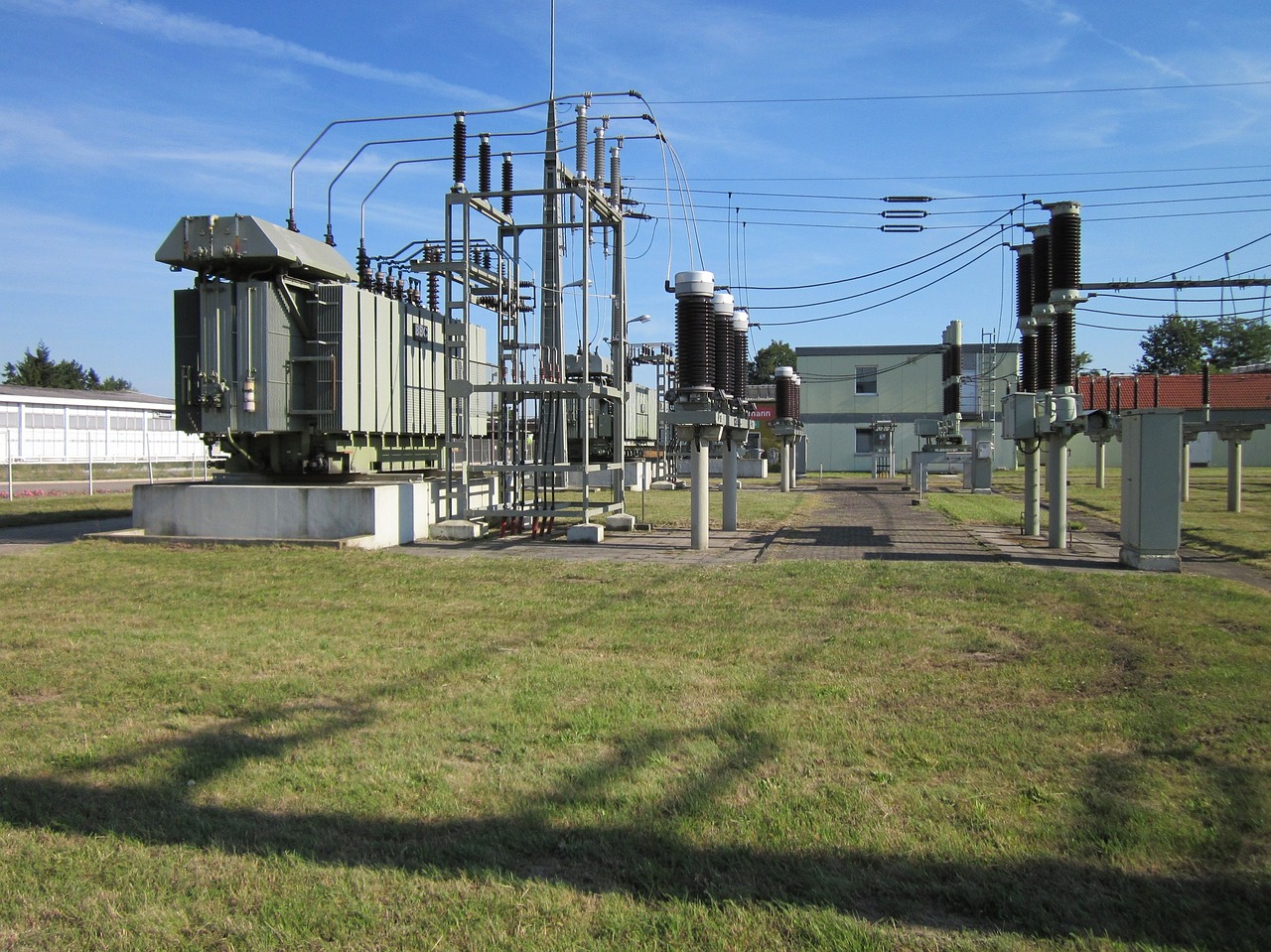
Contact Zoliov
Find more details about Power Distribution Solution
FAQ
What is a thermocouple?
A thermocouple is a temperature sensor made of two different metals joined at one end. It generates a voltage based on the temperature difference between the joined end and the other ends, allowing you to measure temperature accurately.
How do I choose the right thermocouple type?
Consider your application’s temperature range, environmental conditions, and required accuracy. For example, Type K suits general-purpose use, while Type T works well in low-temperature environments. Match the thermocouple’s properties to your specific needs.
Tip: Always check the material compatibility with your operating environment.
Can thermocouples measure extreme temperatures?
Yes, thermocouples can measure temperatures from -270°C to 2,300°C, depending on the type. For instance, Type B handles ultra-high temperatures, while Type T excels in cryogenic conditions.
How often should I calibrate a thermocouple?
Calibration frequency depends on usage and accuracy requirements. For critical applications, calibrate regularly to ensure reliable readings. Industrial settings may require calibration every few months, while less demanding uses may need it annually.
What industries use thermocouples?
Thermocouples are used in manufacturing, aerospace, healthcare, and power generation. They monitor temperatures in furnaces, engines, medical devices, and more. Their versatility makes them essential across many fields.
Are thermocouples durable?
Thermocouples are highly durable and resist harsh conditions like vibrations and high heat. However, their lifespan depends on the type and environment. Protective sheaths can enhance durability in corrosive or extreme settings.
What is the difference between base metal and noble metal thermocouples?
Base metal thermocouples, like Types K and J, are cost-effective and suitable for everyday use. Noble metal thermocouples, such as Types R and S, are more expensive but perform better in high-temperature and harsh environments.
Note: Choose noble metals for extreme conditions requiring high accuracy.
Can thermocouples connect to smart systems?
Yes, modern thermocouples integrate with IoT systems for real-time monitoring. These sensors send data to devices like smartphones, enabling remote temperature tracking and control. This feature improves efficiency and safety in industrial applications.
Callout: IoT-enabled thermocouples are ideal for advanced automation systems.