


A switchgear busbar plays a vital role in switchgear systems by efficiently distributing electrical power. This component acts as a conductor, ensuring seamless power flow within the system. Its design enhances the reliability and performance of modern electrical setups.
Zoliov’s switchgear exemplifies innovation in power management. It offers tailored solutions for industries like healthcare and automotive, meeting specific operational needs. The use of eco-friendly materials and advanced technologies, such as remote monitoring, reflects Zoliov’s commitment to sustainability. Adherence to international standards like ISO 9001 ensures unmatched reliability and quality. These features make Zoliov’s switchgear a trusted choice for efficient and safe power distribution.
Key Takeaways
-
Busbars are key parts of switchgear, helping to share power easily.
-
They make electrical setups simpler, cutting down on wires and boosting reliability.
-
Busbars are usually made of copper, which conducts well, or aluminum, which is light and cheaper.
-
They are used in many places like power stations, substations, and even stores.
-
Busbars make systems safer by stopping overheating and electrical problems with strong designs and insulation.
-
Zoliov’s switchgear uses top-quality busbars for strength and lasting performance in tough conditions.
-
Their modular design lets busbars grow or change as industries expand.
-
Using busbars lowers repair needs, saving time and money while keeping systems steady.
What is an Electrical Busbar?
Definition and Purpose of a Busbar
An electrical busbar is a metallic strip or bar, typically made from copper, brass, or aluminum, that conducts electricity within a power distribution system. It serves as a central point for collecting electrical power from incoming sources, such as transformers, and distributing it to outgoing circuits. This component is commonly found in switchgear, panel boards, and busway enclosures. By centralizing power distribution, a busbar simplifies electrical connections and enhances system efficiency.
Primary Functions of a Busbar
Conducting and Distributing Electrical Power
The primary role of an electrical busbar is to act as a conductor that facilitates the smooth flow of electricity. It collects power from incoming feeders and distributes it to outgoing feeders, ensuring a streamlined approach to power distribution. This functionality reduces wiring complexity and provides a centralized platform for multiple electrical connections.
Ensuring System Efficiency and Reliability
Busbars play a crucial role in maintaining the efficiency and reliability of electrical systems. They simplify power distribution by serving as a common connection point for incoming and outgoing conductors. This design minimizes the risk of electrical faults and enhances safety. Additionally, busbars optimize space usage by accommodating numerous connections in a compact area, making them indispensable in modern switchgear systems.
Types of Bus Bars
Copper Busbars
Copper busbars are widely used in electrical systems due to their excellent conductivity and durability. They minimize energy loss caused by heat and withstand high temperatures without deforming. These properties make copper busbars ideal for industrial applications requiring high conductivity and large currents, such as transformers and generators. However, copper busbars are relatively expensive and heavier compared to other materials.
Aluminum Busbars
Aluminum busbars offer a lightweight and cost-effective alternative to copper. Although they have lower conductivity, aluminum busbars are suitable for medium and low-voltage systems where weight and affordability are critical factors. They are commonly used in civil electrical systems and applications where high conductivity is not essential. However, aluminum busbars are more prone to softening at high temperatures.
Applications of Electrical Busbars in Power Systems
Electrical busbars play a pivotal role in various power systems, ensuring efficient and reliable power distribution. Their versatility makes them indispensable in numerous applications, ranging from substations to industrial plants. Below is an overview of their key applications:
|
Application Area |
Description |
|---|---|
|
Substations |
Distributing power from transformers to transmission lines and other equipment. |
|
Power plants |
Connecting generators to transformers and other equipment. |
|
Power grids |
Employed in transmission and distribution systems across all voltage levels. |
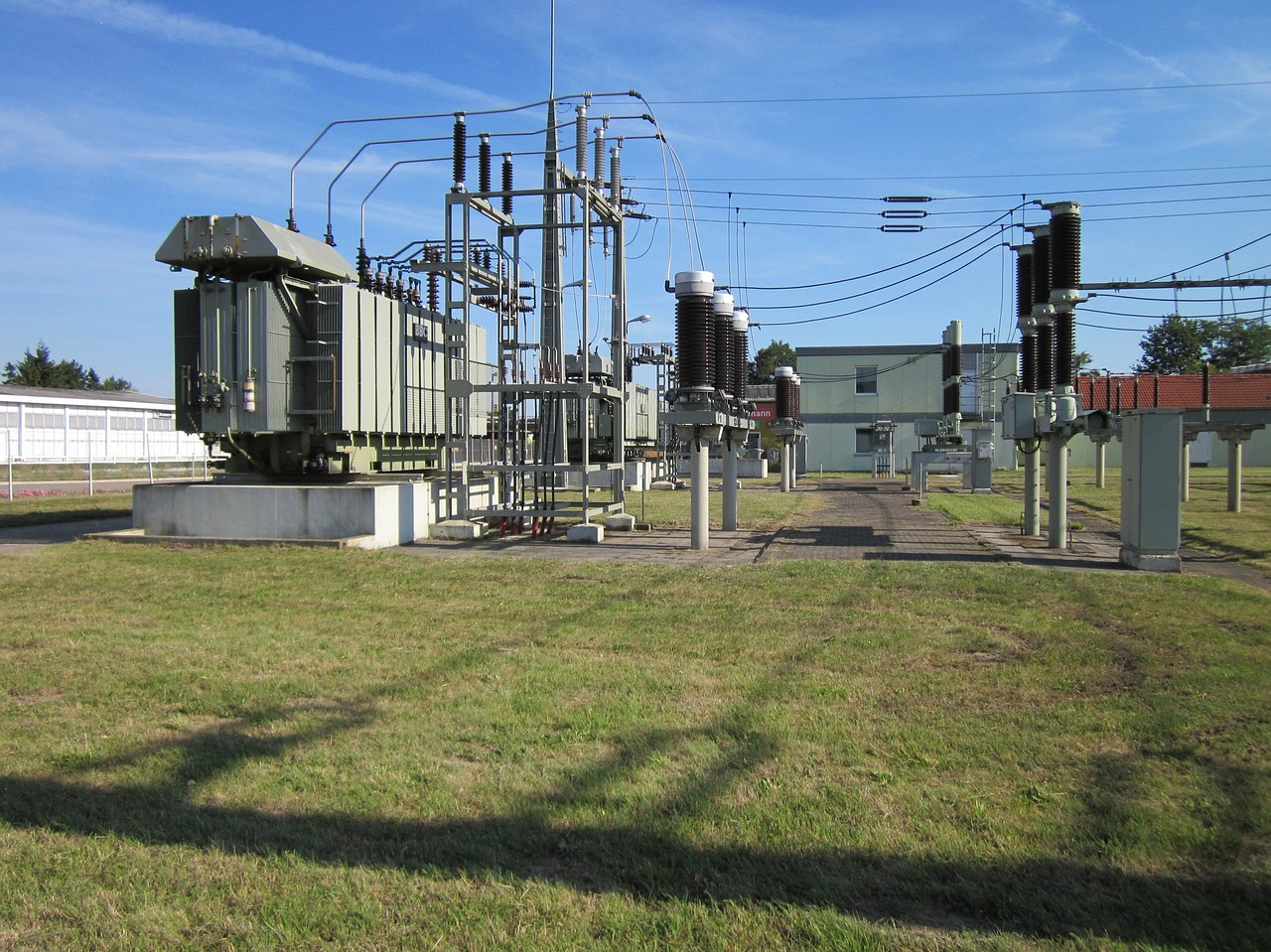
In substations, busbars serve as the backbone of power distribution. They collect electricity from transformers and channel it to transmission lines or other equipment. This setup ensures a seamless flow of power across the grid. Similarly, in power plants, busbars connect generators to transformers, facilitating the transfer of electricity to external systems. Their robust design ensures they can handle high currents and maintain system stability.
Busbars also find extensive use in power grids. They operate across all voltage levels, from low to high, ensuring efficient transmission and distribution. Their ability to centralize connections reduces wiring complexity and enhances system reliability.
Beyond these large-scale applications, busbars are integral to smaller systems. Terminal busbars, for instance, are commonly used in switchboards, switchgear, and control cabinets. They connect power to various loads, including motors, pumps, and lighting systems. This functionality optimizes electrical infrastructure and ensures consistent performance.
Understanding Switchgear and Its Components
What is Switchgear?
Switchgear refers to a collection of electrical devices designed to manage, protect, and control power systems. It ensures the safe and reliable distribution of electricity while isolating faulty sections when necessary. Common components of switchgear include circuit breakers, fuses, relays, and disconnect switches. These devices work together to maintain system integrity and prevent electrical hazards.
Key Functions of Switchgear
Controlling Electrical Power Flow
Switchgear regulates the flow of electricity within a system. It directs power to specific circuits or equipment, ensuring efficient energy management. This control function optimizes energy usage and minimizes wastage, making it essential for both industrial and commercial applications.
Protecting Electrical Systems from Faults
Protection is a critical function of switchgear. It safeguards electrical systems from overcurrents and faults by interrupting the flow of electricity. Devices like circuit breakers and fuses play a vital role in preventing damage to equipment and ensuring the safety of personnel.
Isolating Faulty Components for Maintenance
Switchgear allows faulty components to be isolated for maintenance without disrupting the entire system. Disconnect switches enable safe disconnection of equipment, ensuring that repairs can be carried out efficiently and safely. This function enhances system reliability and reduces downtime.
Components of Switchgear
Circuit Breakers
Circuit breakers protect electrical systems by interrupting current during overloads or short circuits. They automatically detect faults and stop the flow of electricity, preventing damage to equipment and ensuring safety.
Disconnect Switches
Disconnect switches allow equipment to be safely disconnected from the power supply for maintenance or repairs. They provide a physical barrier, ensuring that no current flows to the isolated section of the system.
Switchgear Busbar
The switchgear busbar serves as a central conductor for distributing electrical power within the system. It simplifies connections between components and enhances system efficiency. Zoliov’s switchgear integrates high-quality busbars to ensure reliable and efficient power distribution.
Protective Relays
Protective relays monitor electrical parameters and control the operation of other components. They detect abnormal conditions, such as overcurrents or voltage fluctuations, and trigger protective devices like circuit breakers to prevent system failures.
|
Component |
Function |
|---|---|
|
Circuit Breakers |
Protect electrical systems from overloads and faults by interrupting current. |
|
Disconnect Switches |
Physically disconnect equipment for safe maintenance. |
|
Switchgear Busbar |
Distributes electrical power efficiently within the system. |
|
Protective Relays |
Monitor and control electrical parameters, ensuring system integrity. |
The Role of a Busbar in Switchgear Systems
How Busbars Integrate into Switchgear
Busbars integrate seamlessly into switchgear systems to enhance power distribution. They act as centralized conduits, simplifying the wiring process and reducing system complexity. Terminal busbars serve as connection points for multiple circuits, consolidating cables into an organized interface. This design minimizes wiring errors and improves safety. Their compact structure optimizes space usage, making them ideal for modern electrical setups. Additionally, busbars handle high current loads effectively, ensuring reliable performance in demanding environments.
Importance of Busbars in Power Distribution
Busbars play a critical role in power distribution within switchgear systems. Their wide surface area reduces power loss by minimizing heat buildup. This feature enhances energy efficiency and lowers operational costs. Busbars also provide a common connection point, streamlining the distribution process and ensuring consistent power flow. Their low resistance and ability to handle high currents make them indispensable in high-power environments like data centers and industrial plants.
Advantages of Using Busbars in Switchgear
Compact and Space-Saving Design
Busbars offer a compact design that requires less space than traditional cabling systems. Their ability to accommodate multiple connections in a small area makes them ideal for space-constrained environments. This feature is particularly beneficial in industries where optimizing electrical infrastructure is crucial.
High Efficiency in Power Distribution
Busbars ensure high efficiency in power distribution by minimizing power losses. Their low resistance reduces energy wastage, making them a cost-effective choice for modern electrical systems. Additionally, their design supports the effective management of high currents, ensuring consistent performance.
Cost-Effectiveness and Durability
Busbars are engineered for long-term use, resisting wear and harsh environmental conditions. Their durability reduces maintenance requirements and the need for frequent replacements. This cost-effectiveness makes them a preferred choice for industries seeking reliable and economical power distribution solutions.
Comparing Busbars to Other Switchgear Components
Switchgear Busbar vs. Circuit Breakers
Busbars and circuit breakers serve distinct purposes within a switchgear system. A busbar acts as a conductor, centralizing the distribution of electrical power. It simplifies connections by serving as a junction for incoming and outgoing currents. Circuit breakers, on the other hand, protect the system by interrupting the flow of electricity during faults or overloads. While busbars enhance efficiency by organizing power distribution, circuit breakers ensure safety by isolating faulty sections.
The two components often work together. Busbars incorporate circuit breakers to manage faults effectively. This integration ensures that disruptions remain localized, preventing widespread system failures. For instance, Zoliov’s switchgear combines high-quality busbars with advanced circuit breakers. This design ensures efficient power distribution and robust protection, making it ideal for industries requiring reliable electrical systems.
Switchgear Busbar vs. Disconnect Switches
Disconnect switches and busbars differ in functionality but complement each other within a switchgear system. A busbar distributes power efficiently across multiple circuits, while a disconnect switch isolates specific sections for maintenance or repairs. The busbar’s role focuses on continuous power flow, whereas the disconnect switch prioritizes safety during system downtime.
Switchgear Busbar vs. Protective Relays
Protective relays and busbars serve different but equally important roles in switchgear systems. A busbar facilitates the distribution of electrical power, acting as a central hub for connections. Protective relays, however, monitor electrical parameters and detect abnormalities like overcurrents or voltage fluctuations. When issues arise, relays trigger protective devices, such as circuit breakers, to prevent damage.
How Busbars Complement Other Components in Switchgear
Busbars play a crucial role in enhancing the functionality of other components within switchgear systems. Acting as central conductors, they distribute electrical power efficiently to various circuits. This streamlined distribution complements the operation of protective devices like circuit breakers and relays, ensuring a cohesive and reliable system.
Protective relays, for instance, monitor electrical parameters and detect abnormalities such as overcurrents or voltage fluctuations. Busbars support these relays by delivering power from external feeders to branch overcurrent protection circuits. This integration enhances safety and efficiency in power distribution. When a fault occurs, the relay detects it and triggers the circuit breaker to isolate the affected section. The busbar ensures that unaffected circuits continue to receive power, maintaining system stability.
Disconnect switches also benefit from the presence of busbars. While disconnect switches isolate specific sections of the system for maintenance, busbars ensure that power flows uninterrupted to other areas. This coordination minimizes downtime and enhances operational efficiency.
Circuit breakers rely on busbars to centralize power distribution. The busbar simplifies connections by serving as a junction for incoming and outgoing currents. This setup reduces wiring complexity and improves system organization. When a circuit breaker interrupts the flow of electricity during a fault, the busbar ensures that power is rerouted to maintain overall system functionality.
The compact design of busbars also complements the space-saving features of modern switchgear. By consolidating multiple connections into a single component, busbars reduce the need for extensive wiring.
Advantages of Busbars in Electrical Systems
Durability and Longevity of Busbars
Busbars are renowned for their exceptional durability, making them a reliable choice for electrical systems. Their solid construction resists wear and tear, even under harsh environmental conditions. This resilience ensures that busbars maintain their performance over time, reducing the need for frequent repairs or replacements. For example, rigid busbars, often used in high-current applications, dissipate heat effectively, preventing overheating and extending their lifespan.
A well-maintained busbar system can last for decades, offering a smart investment for industries seeking long-term solutions. Unlike flexible alternatives, rigid busbars are less prone to damage during installation or operation, further enhancing their longevity.
Scalability for Future Expansion
Busbars provide unmatched scalability, making them ideal for industries planning future growth. Their modular design allows for easy setup, expansion, and reconfiguration. This flexibility enables electrical systems to adapt to changing requirements with minimal disruption. For instance, busbars can manage high currents while accommodating modifications, ensuring seamless upgrades to existing systems.
Safety and Reliability in Power Distribution
Safety is a critical aspect of any electrical system, and busbars excel in this area. Modern busbars reduce risks such as short circuits and overheating, especially when insulated. Insulation options, such as wrapping or supporting busbars on insulators, prevent accidental contact. Additionally, metal earthed enclosures or elevated installations enhance safety by keeping busbars out of reach.
|
Safety Feature |
Description |
|---|---|
|
Insulation Options |
Busbars can be supported on insulators or wrapped in insulation to prevent accidental contact. |
|
Earthed Enclosure |
They may be protected by a metal earthed enclosure or elevated out of normal reach. |
|
Insulated Busbars |
Used in busways to meet UL 857 standards, ensuring safety in electrical systems. |
Reduced Maintenance Requirements
Busbars significantly reduce maintenance requirements in electrical systems due to their efficient design and functionality. Unlike traditional wiring, which often involves a complex network of cables, busbars consolidate multiple connections into a centralized location. This streamlined setup simplifies wiring and minimizes the chances of errors during installation or maintenance. By reducing complexity, busbars make it easier for technicians to identify and address issues, saving both time and resources.
The modular design of busbars further enhances their maintenance efficiency. This feature allows for quick installation and easy modifications, enabling systems to adapt to changing requirements without extensive downtime. For example, when expanding an electrical system, technicians can add or reconfigure busbars with minimal disruption. This adaptability makes busbars an ideal choice for industries that prioritize operational continuity.
Safety also plays a crucial role in reducing maintenance needs. Busbars provide a clearly labeled interface, which minimizes the risk of electrical faults caused by improper connections. Their robust construction and protective enclosures prevent accidental contact, ensuring a safer working environment. These features not only enhance system reliability but also reduce the frequency of maintenance interventions.
Addressing Common Misconceptions About Busbars
Misconception: Busbars Are the Same as Wires
Many people mistakenly believe that busbars and wires serve the same purpose and can be used interchangeably. While both conduct electricity, they differ significantly in design and application. Busbars are rigid metallic strips designed for centralized power distribution, while wires are flexible and used for connecting individual components.
Key Differences:
Some also assume that higher-cost busbars always perform better. However, performance depends on the specific application rather than cost. For example, Zoliov’s switchgear incorporates both copper and aluminum busbars, ensuring the right material is used for each application. Regular maintenance is another overlooked aspect. Both busbars and wires require upkeep to prevent issues like overheating or increased resistance.
Misconception: Busbars Are Only Used in Large Systems
Another common misconception is that busbars are exclusive to large-scale electrical systems. This belief overlooks their versatility and widespread use in various settings. Busbars are not limited to manufacturing plants or data centers. They also play a crucial role in smaller systems like retail facilities, laboratories, and renewable energy setups. For instance:
-
Retail Facilities: Busbars ensure smooth operation of lighting and HVAC systems.
-
Laboratories: They provide dependable power for research equipment.
-
Renewable Energy Systems: Busbars distribute power efficiently in wind farms and solar panels.
Misconception: Busbars Are Not Essential in Switchgear
Some believe that busbars are optional components in switchgear systems. This assumption underestimates their importance. Busbars simplify wiring, reduce energy losses, and provide a direct, low-resistance path for electrical currents. Compared to traditional cabling, busbars are more compact, durable, and cost-effective. They also enhance safety by minimizing the risk of overheating and electrical faults.
A busbar is an essential component of switchgear, ensuring efficient power distribution and enhancing system reliability. Its ability to centralize connections simplifies electrical infrastructure and reduces maintenance needs. Terminal busbars, for instance, consolidate multiple circuits into a compact space, minimizing wiring complexity and improving safety. These features make busbars indispensable in modern electrical systems.
Zoliov‘s switchgear exemplifies the advantages of integrating high-quality busbars. Designed for durability and efficiency, Zoliov’s products incorporate eco-friendly materials and intelligent technologies, ensuring long-term reliability. Their modular nature allows for easy expansion, making them ideal for industries planning future growth. Compared to competitors, Zoliov stands out with its client-focused approach and 24/7 customer support, delivering unmatched performance and peace of mind.
By combining advanced busbar designs with innovative features, Zoliov’s switchgear provides a sustainable and efficient solution for diverse applications. Its commitment to safety, reliability, and environmental responsibility makes it a trusted choice for modern power systems.
Contact Zoliov
Find more details about Switchgear
FAQ
What is the purpose of bus bars in electrical systems?
Bus bars distribute electrical power efficiently by acting as central conductors. They simplify connections, reduce wiring complexity, and enhance system reliability. Their design ensures consistent power flow, making them essential in modern electrical setups like Zoliov’s switchgear.
How does a busbar system improve power distribution?
A busbar system centralizes power distribution, reducing energy losses and optimizing space usage. Its compact design supports high current carrying capacity, ensuring efficient performance. Zoliov’s switchgear integrates advanced busbar systems to enhance operational efficiency and safety.
What factors determine the current carrying capacity of bus bars?
The current carrying capacity depends on material, cross-sectional area, and operating temperature. Copper and aluminum are common materials due to their conductivity. Zoliov’s switchgear uses high-quality materials to ensure optimal performance and durability.
Are bus bar systems suitable for small-scale applications?
Yes, bus bar systems are versatile and used in both large and small-scale setups. They provide efficient power distribution in compact spaces, such as laboratories or retail facilities. Zoliov’s switchgear offers scalable solutions tailored to diverse needs.
How do bus bars enhance safety in electrical systems?
Bus bars reduce risks like overheating and short circuits. Insulated designs and protective enclosures prevent accidental contact. Zoliov’s switchgear incorporates these safety features, ensuring reliable and secure power distribution.
Can bus bars handle high currents effectively?
Yes, bus bars are designed for high current carrying capacity. Their low resistance and robust construction make them ideal for demanding environments like industrial plants. Zoliov’s switchgear leverages this capability to deliver consistent performance.
What materials are commonly used in bus bar systems?
Copper and aluminum are the most common materials due to their conductivity and durability. Copper offers higher efficiency, while aluminum provides a lightweight, cost-effective alternative. Zoliov’s switchgear utilizes both materials based on application requirements.
Why are bus bar systems preferred over traditional wiring?
Bus bar systems offer compact designs, reduced maintenance, and higher efficiency compared to traditional wiring. They simplify connections and improve system reliability. Zoliov’s switchgear exemplifies these advantages, making it a trusted choice for modern electrical systems.