


Electricity traditionally flows in one direction—from power plants through transmission lines to distribution networks and finally to consumers. However, distributed energy resources (DERs), like solar panels and wind turbines, can reverse this flow. This phenomenon, called reverse power flow, impacts grid operations in several ways:
-
Power injection from microgrids can alter voltage profiles, risking overvoltage or equipment damage.
-
Sudden power flow reversals may disrupt grid stability during load changes.
-
Bidirectional flow adds complexity, requiring careful management to prevent outages.
Zoliov, a leader in power distribution equipment, offers innovative solutions to address these challenges. Their advanced switchgear, Ring Main Units, and transformers ensure reliable and efficient energy management, supporting modern grid needs.
Key Takeaways
-
Electricity usually moves from power plants to homes, but solar panels and other small energy sources can send power back.
-
Sending power back makes the grid more flexible. It helps communities share extra energy easily.
-
New tools like two-way inverters and smart grids help control this reverse power flow and keep the grid stable.
-
Power lines and systems need upgrades to handle two-way electricity and avoid voltage problems.
-
People can make money by selling extra electricity back to the grid using programs like net metering.
-
Rules and changes in the market are needed to support renewable energy and allow reverse power flow.
-
Zoliov makes special tools to manage reverse power flow and keep energy moving smoothly and reliably.
-
Fixing problems like voltage control and upgrading protection systems is important for grids to handle reverse power flow well.
Understanding Power Distribution and Transmission Systems

Electricity travels through a complex network before reaching your home or business. This network consists of two main systems: transmission and distribution. Each plays a unique role in ensuring reliable power delivery.
The Role of Transmission Power Lines
Transmission power lines form the backbone of the electrical grid. They transport high-voltage electricity, typically ranging from 60 kV to 500 kV, over long distances. These lines connect power plants to substations, where electricity is prepared for distribution. Supported by tall metal towers, transmission power lines are designed to handle bulk electricity efficiently. Their bi-directional capability allows them to adapt to modern grid demands, including reverse power flow.
Unlike distribution lines, transmission power lines use thicker cables to minimize energy loss during long-distance travel. This design ensures that electricity reaches substations with minimal voltage drop. By carrying electricity across states or regions, these lines play a critical role in maintaining grid stability and meeting energy demands.
The Role of Distribution Power Lines
Once electricity reaches a substation, distribution power lines take over. These lines deliver electricity to homes, businesses, and industries. The process begins with substations reducing the voltage to medium levels, typically between 2 kV and 33 kV. Primary distribution lines then carry this electricity to transformers near your location. These transformers further reduce the voltage to levels suitable for household or industrial use. Finally, secondary distribution lines connect multiple customers to a single transformer, ensuring efficient power delivery.
Distribution power lines are supported by wooden poles and cover shorter distances compared to transmission power lines. They are traditionally mono-directional, designed to deliver electricity from substations to end-users. However, with the rise of distributed energy resources, these lines are increasingly adapting to bi-directional power flow.
|
Type of Distribution Line |
Voltage Range |
Function |
|---|---|---|
|
Primary Feeders |
4 to 35 kV |
Carry power from distribution substations to distribution transformers. |
|
Secondary Feeders |
Below 4 kV |
Deliver lower voltage power to end-users, connecting them to the distribution transformers. |
Traditional One-Way Power Flow in Grids
Historically, electricity flowed in one direction—from power plants to consumers. This system relied on centralized generation, where large power plants produced electricity and sent it through transmission power lines to substations. From there, distribution power lines delivered it to end-users. This one-way flow simplified grid management and equipment design.
However, the integration of renewable energy sources like solar panels and wind turbines has changed this dynamic. These distributed energy resources generate electricity at the distribution level, enabling reverse power flow. This shift challenges the traditional grid structure, requiring upgrades to accommodate bi-directional electricity movement.
What Enables Reverse Power Flow?
Distributed Energy Resources (DERs) and Their Impact
Distributed energy resources (DERs) like solar panels and wind turbines play a key role in enabling reverse power flow. These technologies generate electricity locally, often at the distribution level. When the electricity produced exceeds local consumption, the surplus flows back into the grid. This reverse flow can challenge utilities by complicating voltage management and fault current control. For example, overvoltage issues may arise when DERs inject excess power into the grid. This can disrupt the stability of transmission systems and require adjustments to protection settings.
As DERs become more widespread, their impact on the grid grows. They not only contribute to reverse power flow but also influence the overall performance of the electric power system. By generating power closer to where it is consumed, DERs reduce reliance on centralized power plants. However, this shift demands a more flexible and adaptive grid infrastructure to handle bi-directional electricity movement effectively.
Bidirectional Inverters and Smart Grid Technologies
Bidirectional inverters and smart grid technologies are essential for managing reverse power flow. Bidirectional inverters convert electricity from direct current (DC) to alternating current (AC) and vice versa. This capability allows DERs to send excess electricity back into the grid. Without these inverters, reverse power flow would not be possible.
Smart grid technologies enhance the efficiency and reliability of modern grids. They enable real-time monitoring and control of power flow, ensuring that reverse power flow does not destabilize the grid. Key advancements include:
-
Advanced Power Flow Control (APFC) technologies for managing electricity movement.
-
Grid Enhancing Technologies (GETs) to optimize grid performance.
-
Dynamic Line Rating (DLR) to adjust transmission systems based on real-time conditions.
-
Topology Optimization to improve grid connectivity.
-
Energy Storage Integration to store surplus electricity for later use.
These innovations make it easier to balance supply and demand, even when power flows in both directions.
Grid Interconnectivity and Modern Infrastructure
Modern infrastructure and grid interconnectivity are critical for supporting reverse power flow. A well-connected grid allows electricity to move seamlessly between distribution and transmission systems. This interconnectivity ensures that surplus power from DERs can reach areas with higher demand. For instance, when a residential area generates excess solar power, the grid can redirect it to nearby industrial zones.
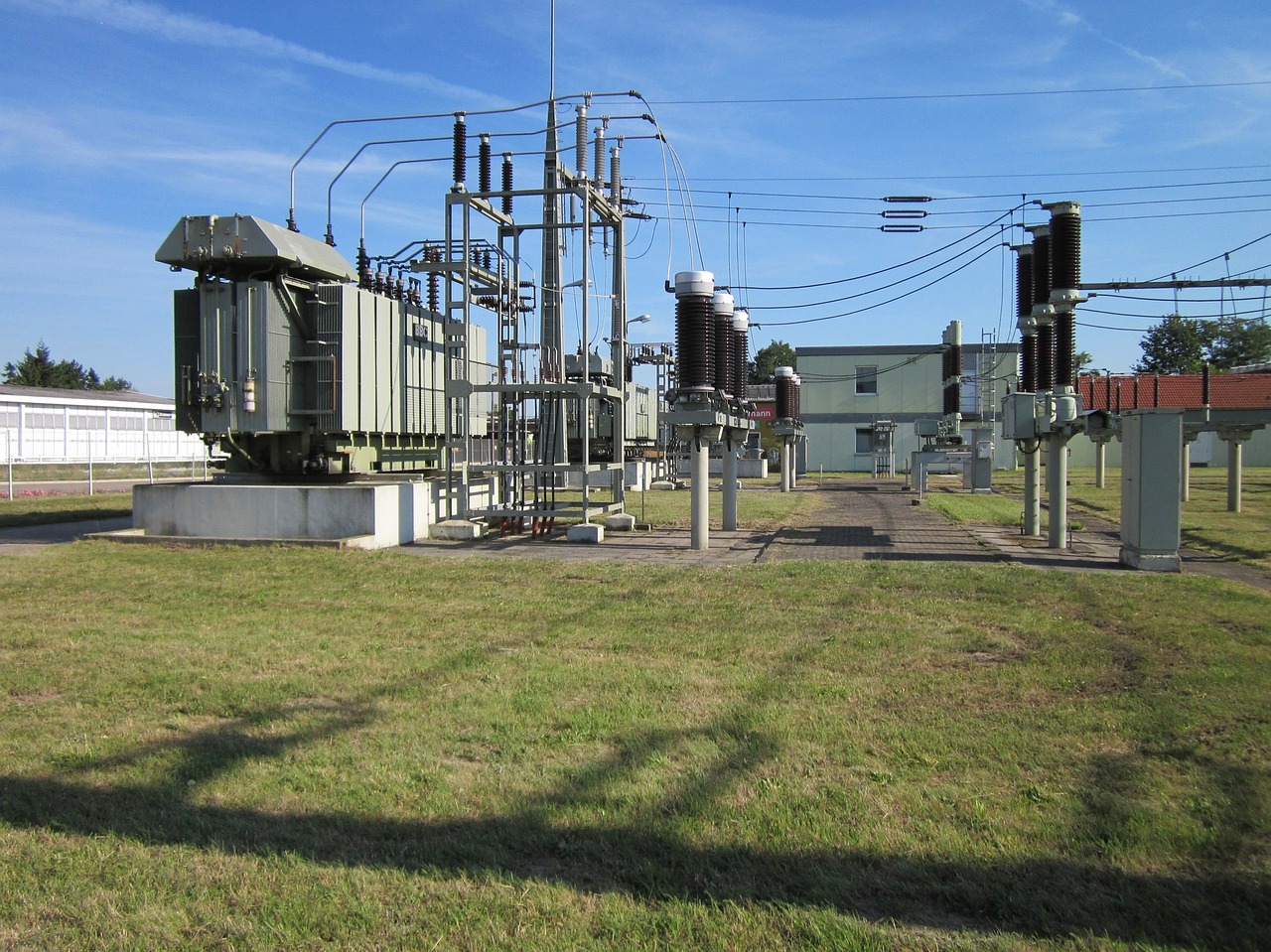
Upgraded infrastructure plays a vital role in this process. Advanced substations, high-capacity transformers, and robust transmission systems are necessary to handle bi-directional power flow. These upgrades minimize energy losses and maintain voltage stability across the grid. By investing in modern infrastructure, you can ensure that the grid remains resilient and adaptable to the growing presence of DERs.
Conditions Necessary for Reverse Power Flow
Excess Power Generation at the Distribution Level
Reverse power flow happens when distributed generation, such as solar panels or batteries, produces more electricity than the local area consumes. This surplus electricity flows back into the grid, moving from distribution systems to transmission lines. You might notice this situation becoming more common as renewable energy sources grow in popularity. For example, a sunny day in a residential area with many rooftop solar panels can lead to excess power generation. When local consumption is low, this extra energy has nowhere to go but back into the grid.
This condition highlights the importance of balancing energy production and consumption. Without proper management, excess power can cause voltage instability or even damage grid equipment. To prevent these issues, utilities must monitor and control the flow of electricity carefully.
Advanced Grid Equipment and Configuration
Modern grids require advanced equipment to handle reverse power flow effectively. These technologies ensure that electricity moves smoothly between distribution and transmission systems. For instance, advanced metering infrastructure (AMI) plays a crucial role. It provides real-time data and enables two-way communication between utilities and customers. This capability helps you and your utility provider track energy usage and manage power flow more efficiently.
Smart meters are another essential tool. They offer real-time insights into electricity consumption and allow utilities to adjust power flow dynamically. These meters also facilitate two-way communication, making it easier to integrate distributed energy resources into the grid.
Tip: Upgrading to smart grid technologies not only supports reverse power flow but also improves overall grid reliability and efficiency.
Regulatory and Market Support for Reverse Flow
Regulatory frameworks and market mechanisms play a vital role in enabling reverse power flow. Policies that encourage renewable energy adoption, such as feed-in tariffs or net metering, make it easier for you to contribute excess electricity to the grid. These incentives reward you for generating renewable energy and sharing it with others.
Market support is equally important. Electricity markets must adapt to accommodate bi-directional power flow. For example, dynamic pricing models can encourage you to use electricity during periods of high renewable generation. This approach helps balance supply and demand, reducing the strain on the grid.
Note: A supportive regulatory environment ensures that reverse power flow benefits both consumers and utilities, paving the way for a more sustainable energy future.
By meeting these conditions, you can help create a grid that is not only flexible but also ready to embrace the challenges and opportunities of reverse power flow.
Benefits of Reverse Power Flow

Enhancing Grid Flexibility and Resilience
Reverse power flow strengthens the grid by improving its flexibility and resilience. When your community generates excess energy, it can enhance load flexibility and regulate voltage levels. This capability allows the grid to operate more efficiently, even during peak demand periods. For instance, a neighborhood with solar panels can act as a small, autonomous energy grid. It optimizes energy scheduling and shifts loads, reducing strain on the main grid. Some projects aim to achieve up to 1-kW load shifting per home while eliminating solar power curtailment.
Hybrid AC/DC grids also play a significant role in addressing challenges associated with traditional grids. These systems increase the hosting capacity for distributed energy resources. By integrating a DC layer, they reduce energy losses and improve overall grid stability. This modern approach ensures that your distribution network can handle reverse power flow without compromising reliability.
Promoting Renewable Energy Utilization
Reverse power flow supports the integration of renewable energy sources into the grid. When your solar panels or wind turbines produce more energy than you need, the surplus flows back into the grid. This process helps maximize the use of renewable energy and reduces reliance on fossil fuels. Managing this backflow ensures that renewable energy sources are fully utilized, making the grid more sustainable.
Energy storage systems further enhance renewable energy utilization. These systems store excess energy instead of sending it back to the grid. You can then use this stored energy during periods of low generation, such as cloudy days or at night. Smart inverters also play a crucial role. They regulate electricity flow and synchronize it with the grid, ensuring smooth integration of renewable energy into the distribution network.
Economic Opportunities for Consumers
Reverse power flow creates economic benefits for you as a consumer. When your distributed energy resources generate surplus electricity, you can sell it back to the grid. Programs like net metering allow you to earn credits for the energy you contribute. This opportunity not only reduces your electricity bills but also provides an additional income stream.
Additionally, reverse power flow encourages the adoption of renewable energy systems. By installing solar panels or wind turbines, you can lower your energy costs while contributing to a cleaner environment. Over time, these investments pay off, offering long-term financial savings. As more consumers participate, the overall cost of renewable energy technologies decreases, making them more accessible to everyone.
Reverse power flow transforms the way you interact with the grid. It enhances grid flexibility, promotes renewable energy, and offers economic opportunities. By embracing this shift, you contribute to a more resilient and sustainable energy future.
Challenges of Reverse Power Flow
Voltage Control and Stability Concerns
Reverse power flow introduces significant challenges to voltage control and grid stability. When microgrids inject more electricity than the local grid can handle, voltage levels may exceed safe limits. This overvoltage can damage equipment and disrupt operations. Sudden changes in power flow direction also create instability, especially during load fluctuations. These reversals make it harder to maintain the balance required for stable electricity transmission.
You may notice that overvoltage and undervoltage issues often arise in areas with high renewable energy penetration. Excessive power injection causes overvoltage, while drops in generation lead to undervoltage. Both scenarios affect the grid’s ability to deliver reliable electricity. Managing these fluctuations requires advanced systems capable of monitoring and adjusting voltage profiles in real time.
Adjustments to Protection Systems
Reverse power flow complicates the operation of traditional protection systems. These systems were designed for one-way electricity transmission, where power flows predictably from transmission to distribution. When power flows in the opposite direction, protection devices like circuit breakers and relays may fail to operate correctly. This failure increases the risk of outages and equipment damage.
To address this, you need to upgrade protection systems to handle bi-directional power flows. Modern protection devices use advanced algorithms to detect and respond to reverse power flow. These upgrades ensure that the grid remains safe and reliable, even as distributed energy resources become more common. However, implementing these changes requires significant investment and careful planning.
Increased Complexity in Grid Management
Managing a grid with reverse power flow is far more complex than operating a traditional one-way system. The integration of distributed energy resources adds layers of unpredictability. You must account for dynamic instability caused by sudden changes in power flow direction. This instability makes it harder to balance supply and demand across the grid.
Additionally, the need to coordinate between multiple energy sources increases the workload for grid operators. Advanced tools like real-time monitoring systems and predictive analytics become essential. These technologies help you manage reactive power flow and optimize electricity transmission. Without them, the grid may struggle to adapt to the growing presence of renewable energy.
Note: Upgrading infrastructure and adopting smart grid technologies are critical steps in overcoming these challenges. By investing in modern solutions, you can ensure the grid remains resilient and capable of supporting reverse power flow.
Preparing the Grid for Bidirectional Power Flow

Upgrading Power Distribution Infrastructure
To prepare for bidirectional power flow, you must upgrade the existing power distribution infrastructure. Traditional grids were designed for one-way electricity flow, which limits their ability to handle reverse power flow. Modernizing these systems ensures they can manage electricity moving in both directions. For example, advanced substations play a critical role. They act as conversion hubs, facilitating the exchange of power between distributed energy sources and the grid. This capability allows for seamless integration of renewable energy into the system.
High-capacity transformers and robust distribution lines are also essential. These components reduce energy losses and maintain voltage stability, even during periods of fluctuating power flow. By investing in these upgrades, you can ensure that the grid remains resilient and capable of supporting the growing presence of distributed energy resources.
Leveraging Smart Grid Technologies
Smart grid technologies are vital for managing the complexities of bidirectional power flow. These systems enable the multi-directional movement of electricity, integrating distributed generation sources like solar panels and wind turbines. Advanced monitoring and control tools allow you to track real-time power flow direction and magnitude. This capability helps detect potential voltage deviations or power imbalances early, ensuring grid stability.
Smart substations enhance this process by acting as hubs for power conversion and distribution. They manage supply and demand effectively, ensuring electricity flows where it is needed most. Additionally, advanced metering infrastructure (AMI) provides real-time data and two-way communication between utilities and consumers. Smart meters complement this by offering insights into power consumption, enabling better management of reverse flow. Together, these technologies create a more efficient and adaptable grid.
Tip: Upgrading to smart grid systems not only supports reverse power flow but also improves overall grid reliability and efficiency.
Policy and Market Reforms for Reverse Flow
Policy and market reforms play a crucial role in enabling bidirectional power flow. Regulatory frameworks must adapt to encourage the adoption of renewable energy and distributed generation. For instance, policies like net metering allow you to sell excess electricity back to the grid, creating economic incentives for renewable energy investments. These reforms ensure that both consumers and utilities benefit from reverse power flow.
Electricity markets also need to evolve. Dynamic pricing models can encourage you to use electricity during periods of high renewable generation, balancing supply and demand. By aligning market mechanisms with the needs of a modern grid, you can create an environment that supports sustainable energy practices. These changes pave the way for a more flexible and resilient energy system.
Note: A supportive regulatory and market environment is essential for maximizing the benefits of reverse power flow while ensuring grid stability.
The Role of Power Distribution Equipment Providers
Importance of Reliable Distribution Power Lines
Reliable distribution power lines form the backbone of modern electricity grids. These lines ensure that electricity flows smoothly between substations and end-users. When reverse power flow occurs, the role of these lines becomes even more critical. They must handle electricity moving in both directions without compromising stability or safety. You rely on these lines to deliver power efficiently, whether it originates from centralized power plants or distributed energy resources like solar panels.
Power distribution equipment providers play a vital role in maintaining the reliability of these lines. They design and manufacture advanced components that support the integration of distributed generation sources into the grid. For example, modern distribution systems require equipment capable of managing two-way power flow. This ensures that electricity moves seamlessly between distribution and transmission systems, even during periods of fluctuating demand.
Zoliov’s Solutions for Modern Power Distribution
Zoliov offers innovative solutions tailored to the needs of modern distribution systems. With over 20 years of experience, Zoliov specializes in high-quality equipment designed to enhance grid performance. Their products, such as advanced switchgear and Ring Main Units, ensure efficient power management in both high and low voltage applications. These solutions help you maintain stable electricity flow, even in complex grid environments.
Zoliov’s Box Type Substations integrate transformers and other equipment into a compact design. This setup ensures safe and stable power delivery while minimizing energy losses. Their High Voltage Cable Branch Boxes and Low Voltage Distribution Boxes provide reliable connections, making them essential for managing reverse power flow. By choosing Zoliov, you gain access to equipment that supports the growing presence of distributed energy resources in your community.
Tailored Equipment for Bidirectional Power Flow
Bidirectional power flow requires specialized equipment to ensure grid stability. Zoliov addresses this need by offering tailored solutions for modern grids. Their advanced monitoring capabilities allow you to track power flow direction and magnitude in real time. This helps prevent overvoltage issues and ensures the safety of your distribution systems.
Zoliov’s products are designed to handle the challenges of reverse power flow. For instance, their smart transformers and switchgear adapt to changing power flow conditions. These components enable seamless integration of renewable energy sources, ensuring that your grid remains resilient and efficient. By investing in tailored equipment, you can prepare your distribution systems for the demands of a bidirectional power flow environment.
Tip: Upgrading to Zoliov’s advanced equipment not only supports reverse power flow but also enhances the overall reliability of your grid.
Power can flow from distribution to transmission when specific conditions align. Distributed energy resources, bidirectional inverters, and modern grid technologies make this possible. Reverse power flow enhances grid flexibility and renewable energy use. However, it also brings challenges like voltage control and protection system upgrades. Preparing the grid for bidirectional flow requires infrastructure upgrades, smart technologies, and supportive policies.
Zoliov offers solutions to meet these demands. Its advanced equipment ensures efficient power management and supports reverse flow. With over 20 years of expertise, Zoliov helps you build a resilient and reliable grid.
Contact Zoliov
Find more details about Power Distribution Solution
FAQ
What is reverse power flow?
Reverse power flow occurs when electricity flows from distribution systems back to transmission lines. This happens when distributed energy resources, like solar panels, generate more electricity than consumed locally.
How do distributed energy resources enable reverse power flow?
Distributed energy resources, such as solar panels or wind generators, produce electricity at the distribution level. When generation exceeds local demand, the surplus electricity flows back into the grid.
Why is reactive power important in reverse power flow?
Reactive power supports voltage stability during reverse power flow. It ensures the grid operates efficiently by maintaining the balance between active and reactive components of electricity.
What challenges does reverse power flow create for grid operators?
Reverse power flow complicates voltage control, protection systems, and grid management. It requires advanced technologies to monitor and adjust power flow direction dynamically.
How does reverse power flow impact real power transfer?
Reverse power flow affects real power transfer by altering the direction of electricity movement. It requires grid systems to adapt to bidirectional energy flow while maintaining efficiency.
What role does reactive power compensation play in reverse power flow?
Reactive power compensation minimizes voltage fluctuations caused by reverse power flow. It ensures stable electricity delivery and protects grid equipment from damage.
How can smart grid technologies improve power quality during reverse flow?
Smart grid technologies enhance power quality by monitoring and controlling electricity flow in real time. They optimize voltage levels and reduce energy losses, ensuring reliable grid performance.
Can reverse power flow benefit consumers?
Yes, reverse power flow allows you to sell surplus electricity back to the grid. Programs like net metering provide financial incentives, reducing your energy costs.