

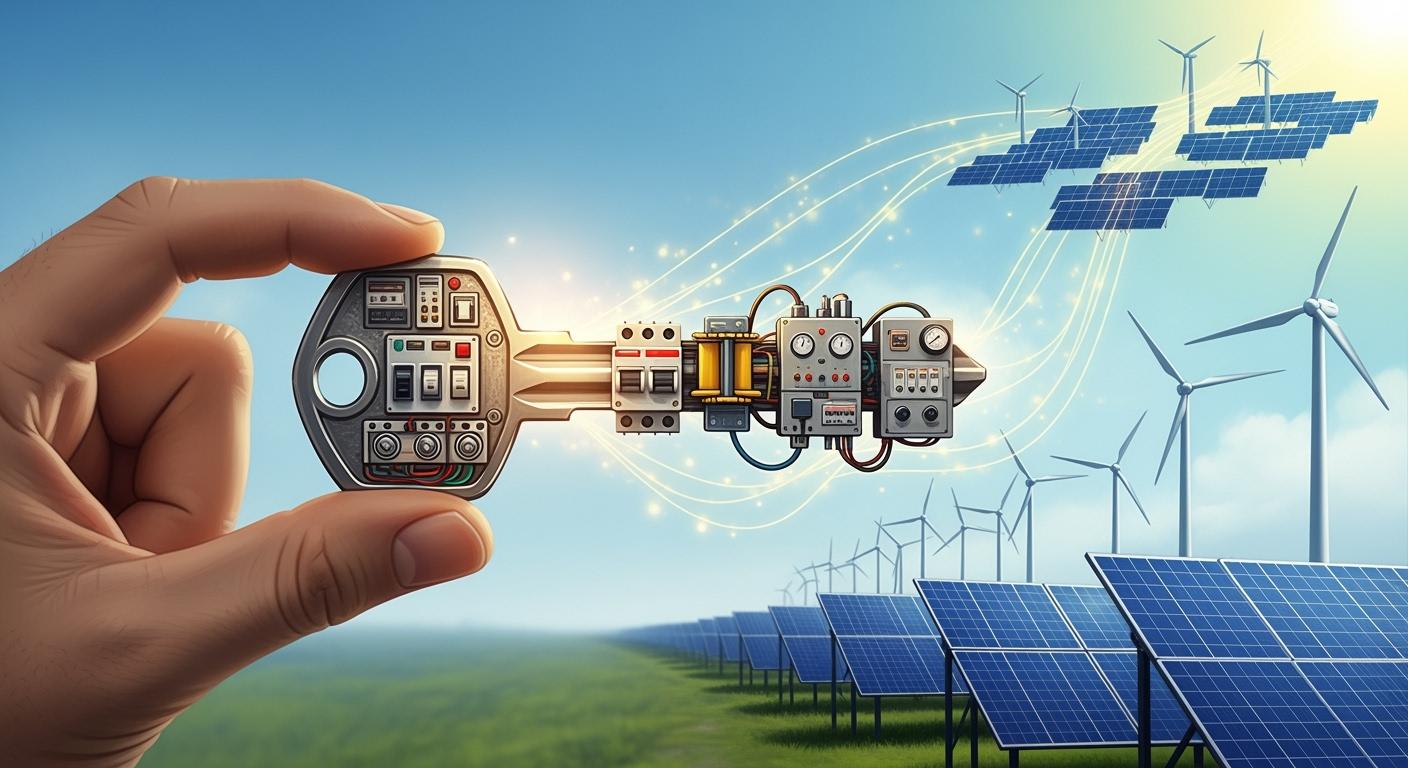
Electrical equipment plays a key role in ensuring that new energy projects operate effectively. Electrical engineers and electricians are essential in maintaining the safety and reliability of these systems. They also contribute to the realization of innovative ideas. Their expertise addresses issues such as voltage mismatch, impedance differences, and wiring problems, which are responsible for 83% of solar project failures. Inverters, strings, and combiners are significant contributors to power losses, with inverters alone accounting for up to 50% of losses in certain areas. Emerging technologies like IoT and smart grids are crucial in enhancing system reliability. IoT devices enable real-time monitoring of the system and assist in early problem detection, ultimately improving the performance of energy systems.
- Wiring and connectors are responsible for most failures.
- Inverters, strings, and combiners lead to power losses.
- IoT plays a vital role in real-time monitoring and problem identification.
Key Takeaways
- Electrical engineers and electricians are very important for renewable energy projects. Their skills make energy systems safe and reliable.
- Batteries and smart grids make power supply stable. They help balance how much energy is made and used. This stops power outages.
- Regular maintenance and checking of electrical equipment stop failures. This keeps renewable energy systems working well and lowers costs.
- IoT technology is important for real-time monitoring. It finds problems early and makes energy systems last longer and work better.
- Using strong materials and smart designs in equipment makes it last longer. This means fewer repairs and a more reliable energy supply.
Key Role of Electrical Equipment in Energy Projects
Electrical equipment is very important in renewable energy systems. These systems need reliable equipment to make and deliver power. Engineers and electricians plan, set up, and take care of this equipment. They make sure everything works safely and well. Their work helps us use cleaner energy and makes projects successful.
Power Generation and Integration
Renewable energy systems use different equipment to turn natural resources into power. Each piece of equipment helps make the system work better and more reliably. The table below shows how each equipment type helps the system:
| Type of Equipment | Contribution to Efficiency |
|---|---|
| Wind Turbines | Turn wind into electricity with blades that catch the wind. |
| Solar Power Systems | Use sunlight and photovoltaic cells to make electrical energy. |
| Hydroelectric Power Plants | Use moving water to spin turbines and make electricity. |
| Geothermal Power Plants | Take heat from the Earth to make steam and generate electricity. |
| Biomass Power Plants | Burn organic materials to make steam for electricity, which can be carbon-neutral. |
Engineers pick and install the best equipment for each project. They also add balance-of-system equipment like inverters, transformers, and battery storage. These parts help connect renewable energy systems to the grid and boost energy output. In grid-connected systems, equipment like transformers and switchgear keep the grid stable. Battery Energy Storage Systems (BESS) save extra power for times when production is low. This stops blackouts and lowers the need for fossil fuels. Switchgear protects the grid from problems caused by changing renewable energy.
Grid Stability and Switchgear
The grid faces new problems as more renewable energy systems are used. Traditional power plants give grid inertia, which keeps frequency steady during changes. Renewable energy systems like wind and solar do not have this inertia. This can cause faster frequency changes and supply problems. Modern equipment helps by supporting grid inertia, keeping frequency stable, and managing reactive power.
More wind farms and solar PV mean cleaner energy. But there are problems, like losing inertia from traditional power plants. This makes it harder to keep voltage and stability.
Switchgear is very important for grid stability. It handles changing power from solar and wind. It isolates faults and protects valuable assets and people. Switchgear also connects distributed energy resources easily. It keeps electrical systems safe by stopping overloads and short circuits. It makes energy distribution more efficient by reducing losses and managing loads. Switchgear helps add renewable energy to the grid by handling changes and interruptions.
Common grid stability problems include grid inertia, frequency stability, and reactive power management. Solutions include demand response programs, energy storage systems, distributed generation, energy efficiency steps, and microgrids. Ways to support grid inertia include synchronous condensers, synthetic inertia, energy storage systems, grid-forming inverters, and demand response.
Monitoring, IoT, and Automation
Monitoring and automation have changed renewable energy systems. IoT devices collect real-time data about energy generation, use, and environmental conditions. This data helps manage energy better and makes operations more efficient. The table below shows important parts of IoT monitoring:
| Aspect | Description |
|---|---|
| Real-time Data Collection | IoT devices get data about energy generation, use, and environment. |
| Advanced Analytics | Machine learning and optimization predict energy needs and improve production. |
| Dynamic Energy Management | Smart controllers adjust energy distribution and use demand response strategies. |
| Predictive Maintenance | Monitoring battery health and analytics keep systems working longer and better. |
| User Engagement | IoT platforms let users monitor and control systems remotely, making them happier. |
| Overall Impact | IoT makes energy more efficient, saves money, and lowers CO₂ emissions. |
A study of smart homes with IoT-driven renewable energy systems showed an 80% efficiency rate in energy management. The system could change energy flows based on real conditions. This led to high user satisfaction and lower costs.
Automation technologies like sensors and robotics make solar installations more efficient and reliable. These new tools help install panels accurately and monitor them all the time. Common automation technologies include:
- Automated Demand Response (ADR): Changes energy use based on supply to balance the grid.
- Predictive Maintenance: Finds equipment problems early to stop energy loss and downtime.
- AI-Driven Analytics: Uses machine learning to improve energy production and operations.
Robotic panel installation makes setup faster and more accurate. Automated monitoring systems collect data to keep things efficient. AI-driven analytics use data to make solar energy work better.
Safety and Protection Systems
Safety equipment keeps people and assets safe in renewable energy systems. Engineers and electricians use safety equipment to stop accidents and lower risks. The main causes of electrical faults are damaged insulation, loose connections, moisture, and faulty parts. Protection systems like Arc Fault Detection Devices (AFDD) watch the circuit’s electrical waveform. They find high-frequency noise or distortion from an arc fault and stop the current flow in milliseconds.
- Damaged insulation can expose wires from wear, animals, or UV light.
- Loose connections can cause series arcing, made worse by vibration and heat changes.
- Moisture can make unwanted electrical paths and ruin insulation.
- Faulty parts like panels or connectors can also cause electrical faults.
Current safety systems need updated steps and clear signs to cut accidents. Using Virtual Reality (VR) training can make safety better by giving realistic practice. Studies show that spending money on risk prevention saves money by lowering accident costs.
- In 2023, work accidents with lost workdays dropped by 31% compared to last year.
- The severity rate of accidents went down from 0.40 to 0.16, showing better safety.
- VR training helps people make good decisions under pressure, which is important for safety in risky places.
Safety equipment like protective gear, lockout-tagout devices, and fire suppression systems is key for electrical safety. These tools stop injuries and protect the electric grid from harm. Engineers and electricians must follow strict safety rules during installation and maintenance to keep renewable energy projects safe and successful.
Challenges in Renewable Energy Installations
Intermittency and Power Fluctuations
Solar and wind energy do not make power all the time. Weather can change how much energy is made. This makes it hard to know how much power will be there. Sometimes, the grid gets less power than it needs. Bad weather and broken equipment can cause problems. These problems can hurt how well the system works and cost money. Energy storage and smart grids help fix these issues. They help keep supply and demand balanced. The table below shows how companies deal with power changes:
| Solution Type | Description |
|---|---|
| Energy Storage | Stores extra energy for later use, making supply more reliable. |
| Grid Resilience | Uses smart grids to handle changes in energy production and keep the grid stable. |
| AI Integration | Predicts energy needs and controls systems for better performance. |
Harsh Environments and Reliability
Some renewable energy projects are in very tough places. These places can be deserts or out at sea. High heat, water, and dust can hurt electrical equipment. Parts like inverters and combiner boxes can break faster in these spots. Teams must check and fix equipment often to stop problems. Good grounding and care for slip rings help stop arc flash and other dangers.
- Equipment breaks down faster in harsh places.
- Maintenance teams need to check and fix things a lot.
- Good grounding helps stop electrical problems.
Scalability and Integration Issues
Adding more renewable energy to the grid is hard. The grid must handle power that goes up and down. New tools and smart systems help stop blackouts and keep things steady. Good forecasting and battery storage also help connect more energy. These steps make it easier to add more renewable energy without losing power.
- Grid management gets harder with more renewable energy.
- Battery storage helps keep supply and demand even.
- Smart tools help predict and control energy use.
Maintenance and Skilled Workforce
Renewable energy systems need skilled workers to run well. Electrical engineers and electricians must do regular checks and repairs. More people are needed for these jobs every year. The U.S. Bureau of Labor Statistics says these jobs will grow. Teams need strong skills, good planning, and clear talk to keep projects safe and working.
Skilled workers are important for planning and doing maintenance. Their work keeps energy systems safe and running well.
Solutions: Batteries, Smart Grids, and Advanced Power Systems
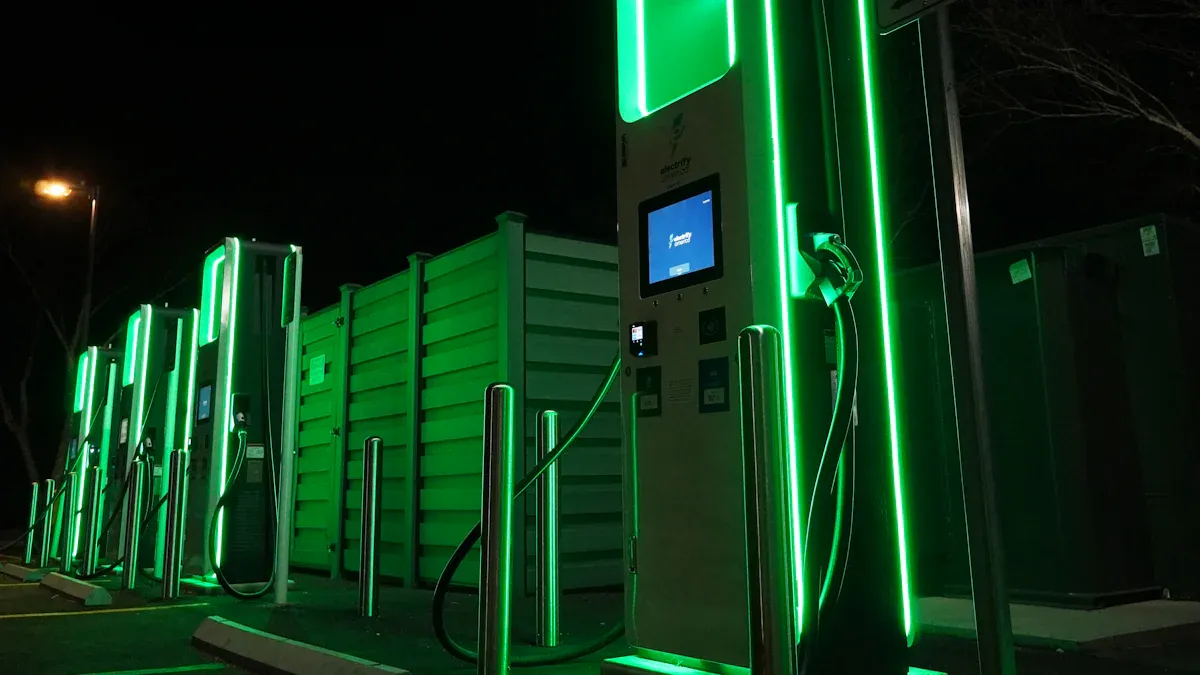
Today’s renewable energy projects use many new solutions to give steady power. These include batteries, smart grids, and advanced power systems. Each one helps make clean energy easier to use and more reliable.
Advanced Power Electronics
Power electronics are very important in green energy systems. They help control and change energy from solar panels and wind turbines. New improvements make these systems work better and last longer.
- Silicon carbide semiconductors help devices work well in hot places and at high voltages. They are great for photovoltaic inverters, which can be over 99% efficient.
- Gallium nitride semiconductors are good for high-frequency uses. They make power equipment smaller and lighter, which is helpful for solar photovoltaic systems.
- Multilevel converters make better waves and cut down on energy loss. Offshore wind farms use these converters to work better.
- Bidirectional converters control how energy moves in storage systems. They help keep supply and demand balanced, especially with batteries.
- Smart grids use power electronics to manage energy in real time. This helps share energy better and connect different energy sources.
The table below shows how these technologies help renewable energy systems:
| Technology | Benefits | Applications |
|---|---|---|
| SiC Semiconductors | Higher efficiency, better heat management | High-power applications, photovoltaic inverters |
| GaN Semiconductors | High switching frequencies, compact systems | Solar photovoltaic systems |
| Multilevel Converters | Better wave quality, reduced losses | Offshore wind farms |
| Bidirectional Converters | Manage energy flow to/from storage | Microgrid solutions |
| Smart Grids | Real-time energy management, better integration | Home solar panels |
Power conditioning equipment and controller devices work together to keep energy steady. They stop batteries from getting too full and help keep the system healthy. Charge controller units are very important, especially in solar setups.
Smart Grid Integration
Smart grids bring many good things to renewable energy projects. They use new technology to watch and control how electricity moves. This makes energy delivery more steady and efficient.
- Real-time monitoring lets the grid change quickly when energy use or production changes.
- Predictive analytics help use more renewable energy and less non-renewable energy.
- Automated control systems guide energy flow and keep the grid steady when things change.
| Feature | Description |
|---|---|
| Real-time Monitoring | Enables dynamic adjustments based on energy production, consumption, and distribution. |
| Predictive Analytics | Optimizes renewable energy utilization and reduces reliance on non-renewable sources. |
| Automated Control Systems | Manages energy flow and enhances grid stability by responding to changing conditions. |
Smart grids also help control distributed energy resources. They use special systems to keep supply and demand even. These systems can spot voltage changes right away and fix power sharing. They also help fix outages faster and work with batteries and solar panels.
Advanced planning tools, like hosting capacity analyses, help find where the grid is crowded. Time-of-use rates get people to use energy when it is most available. This saves money for utilities. Smart tools can lower peak demand, making the grid stronger.
Robust Design and Materials
Electrical equipment in renewable energy projects must survive tough places. Engineers pick strong materials and smart designs so equipment lasts longer.
| Material Type | Properties |
|---|---|
| High-grade aluminum alloys | Strength, stability, corrosion resistance |
| Stainless steel | Strength, corrosion resistance |
| Composites | Lightweight, corrosion resistance |
| High-temperature thermoplastics | Mechanical stability, thermal behavior |
| Glass-filled compounds | Mechanical stability, resistance to creeping under pressure |
| Elastomers | Flexibility in cold, resistance to degradation in high-heat environments |
| Polyurethane | Abrasion resistance, UV exposure resistance, chemical splash resistance |
| Teflon® | Chemical resistance, durability |
| Fluorinated ethylene propylene (FEP) | Chemical resistance, durability |
Strong designs slow down insulation aging and keep equipment in good shape. Finding problems early stops big failures. These steps help equipment last longer, which is important for clean energy projects in harsh weather.
Tip: Using strong materials and smart designs helps batteries, controller units, and power conditioning equipment last longer. This means fewer repairs and replacements are needed.
Predictive Maintenance and Monitoring
Predictive maintenance uses technology to keep energy systems working well. Sensors gather real-time data about equipment. IoT gateways send this data for checking. Data analytics platforms help engineers find problems before things break.
Key technologies include:
- IIoT sensors collect exact data about equipment.
- Edge devices process data and keep it safe.
- Asset Performance Management (APM) systems mix real-time and old data.
- Predictive models use AI and machine learning to guess failures and spot trends.
- Automated alarms and alerts tell teams when something changes.
Sensors and controller devices watch batteries and power conditioning equipment. They help find problems early. Machine learning looks at patterns and finds issues before they get worse.
Predictive maintenance has many benefits:
| Evidence Type | Description |
|---|---|
| Cost Reduction | Predictive maintenance can lead to a 25-30% reduction in direct maintenance costs. |
| Downtime Reduction | Best-in-class implementations can decrease downtime by 50-60%. |
| Asset Lifespan | Predictive maintenance can extend asset life by 20-30%. |
Predictive maintenance keeps things running and lowers the chance of sudden stops. It helps make sure energy keeps flowing, which is good for customers and for saving money. The energy industry saves a lot of money with these smart strategies.
Batteries are very important in these solutions. Deep-cycle batteries store energy for a long time and give it when needed. Controller units and power conditioning equipment help control charging and discharging. Charge controller devices protect batteries and keep the system healthy. These solutions make clean energy more reliable and support sustainable energy.
Real-World Applications in Renewable Energy Installations
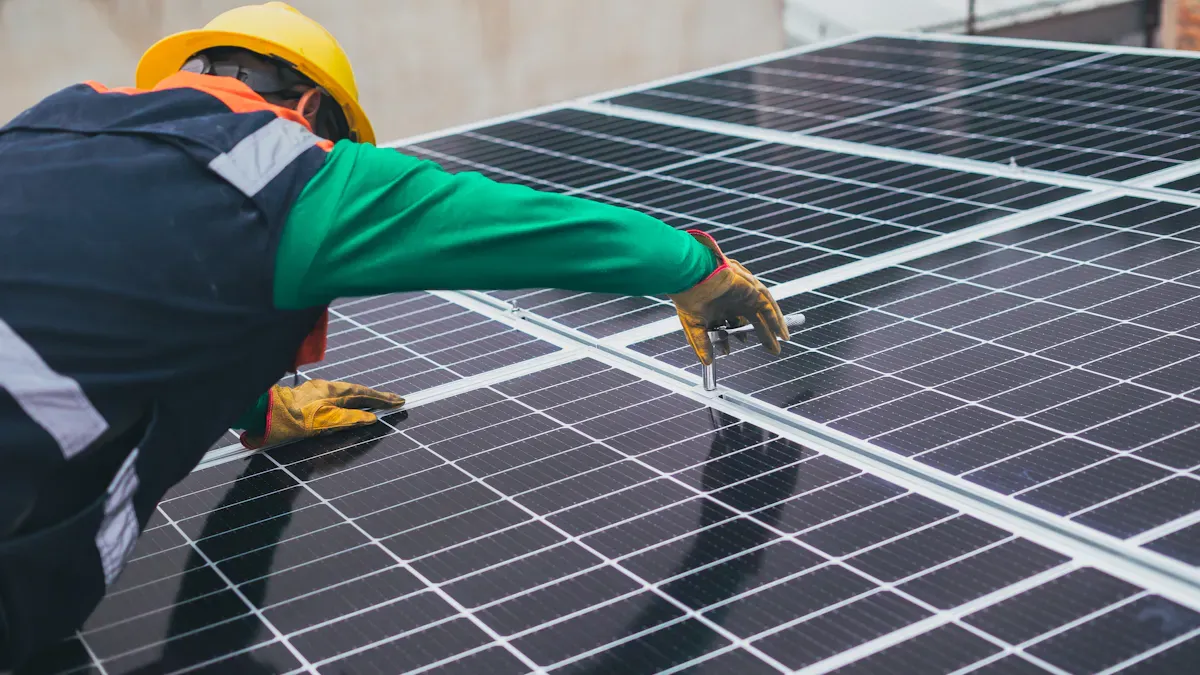
Solar Power Integration Success
Solar power systems have changed energy use in many places. Companies use advanced electrical equipment to make these systems work better. The table below shows two important examples:
| Case Study | Description |
|---|---|
| EPEC Solutions and QT Corp | This team uses new solar energy tools and advanced switchboards. These switchboards make systems more reliable and use 40% less space. |
| EPEC/QT and nVent | This group adds advanced electrical protection to solar equipment. It helps meet industry needs and keeps systems safe. |
These examples show how solar projects use smart technology to fix real problems. Engineers design systems that last longer and work better. Now, solar energy powers homes, schools, and businesses in many places.
Wind Energy Monitoring Advances
Wind energy projects use smart tools to keep things running well. Sensors and IoT devices check wind speed, direction, and turbine health. These tools help engineers find problems early and fix them quickly. Wind farms near the coast and inland use these systems to get more power from the wind. Operators use real-time data to change turbine settings and stop downtime. Wind energy monitoring makes renewable energy systems more reliable and efficient.
Battery Storage Reliability Cases
Battery storage is very important in renewable energy systems. Energy storage gives steady electricity to homes, businesses, and important services. Batteries balance supply and demand in real time and keep power quality high during fast changes. They react faster than thermal plants and help the grid with black start, peaking, and reserve services. Battery systems work for small homes and big utilities. They help renewable energy systems by acting as backup power and balancing voltage. Their quick response keeps the grid stable and stops outages, even when solar and wind power change fast.
Tip: Battery storage helps renewable energy systems work better by making power more reliable and steady.
Electrical equipment is very important in renewable energy projects. Engineers and electricians build systems that give steady power. They fix problems and make sure everything is safe. Batteries, smart grids, and automation help systems work better. Teams use tough materials and good designs to keep equipment safe. Checking equipment often helps stop things from breaking. Renewable energy projects always need new ideas. Teams must look at systems a lot and fix problems fast.
Renewable energy changes how people use power. It helps towns grow and keeps nature safe.
- Engineers and electricians are important in renewable energy.
- Batteries and smart grids help make power steady.
- Regular checks keep systems working well.
FAQ
What is the main job of electrical equipment in renewable energy projects?
Electrical equipment helps make and move electricity. It controls how power flows in energy systems. This equipment keeps things safe and working right. Engineers use it to connect solar panels, wind turbines, and batteries to the grid.
Why do renewable energy systems need batteries?
Batteries save extra energy from the sun or wind. They give power when it is dark or calm. This keeps the lights on and makes the grid steady.
How does IoT help in new energy projects?
IoT devices gather real-time data from energy systems. They help engineers spot problems early. This makes energy systems work better and last longer.
What makes smart grids important for clean energy?
Smart grids use computers and sensors to manage electricity. They balance supply and demand. Smart grids also help add solar and wind power to the grid.