


Cable joints connect two or more cables together, forming a continuous electrical pathway. These components play a vital role in ensuring safe power distribution and maintaining the performance of electrical systems. You rely on various types of cable joints to extend cable lengths, branch connections, or adapt cables to different environments.
Modern trends highlight the growing adoption of cable joints due to urbanization and industrialization. Heat shrink and cold shrink joints, for example, offer improved reliability and durability. Renewable energy projects and infrastructure upgrades further emphasize the need for efficient electrical connections.
Zoliov’s cable joints provide solutions tailored to diverse applications. From residential wiring to industrial systems, these types of cable joints ensure seamless connectivity and safety. Explore Zoliov’s range to find the perfect fit for your needs.
Key Takeaways
-
Cable joints are important for linking cables and safely sharing power.
-
Picking the right cable joint, like straight, branch, or T-joints, depends on your needs and location.
-
Good installation and strong materials lower the chance of joint problems and make systems work better.
-
Checking and fixing cable joints often stops problems and makes them last longer, especially in tough places.
-
Using strong cable joints, like resin or heat shrink ones, keeps electrical systems working well for a long time.
Common Types of Cable Joints
Cable joints are essential for connecting cables in electrical systems. Understanding the common types of cable joints helps you choose the right one for your specific needs. Below, we explore three widely used types: straight joints, branch joints, and T-joints.
Straight Joint
Straight joints are the most basic type of cable joint. They connect two cables of the same type and size, ensuring a seamless electrical connection. These joints are commonly used in both low-voltage and high-voltage applications. For example, they are ideal for extending cable lengths in underground cabling systems or industrial setups.
However, installation plays a critical role in their performance. Studies show that 57% of power failures in cable systems are due to improper installation of joints and terminations. Using high-quality materials and following proper cable jointing techniques can significantly reduce these risks. Straight joints are reliable when installed correctly, making them a staple in electrical systems.
Branch Joint
Branch joints allow you to create a branch connection from a main cable. This type of joint is particularly useful in residential wiring and industrial networks where multiple connections are required. Modern branch joints incorporate advanced materials like silicone elastomers, which improve insulation and mechanical strength.
The evolution of branch joints has enhanced their reliability. For instance, dry-type cable joints now include field control elements, ensuring better performance in demanding environments. Whether you’re working on a small-scale project or a complex network, branch joints provide a dependable solution for branching connections.
T-Joint
T-joints are designed to split a single cable into two or more directions, forming a “T” shape. These joints are commonly used in network configurations, such as industrial automation systems. Empirical studies highlight their effectiveness in optimizing network performance. For example, research on 5G systems shows that proper configuration of T-joints can improve packet transmission and reduce delays.
T-joints are versatile and can be adapted to various applications. They are particularly valuable in systems requiring precise control and efficient data transmission. By choosing the right T-joint, you can enhance the performance and reliability of your electrical or communication networks.
Pothead Joint
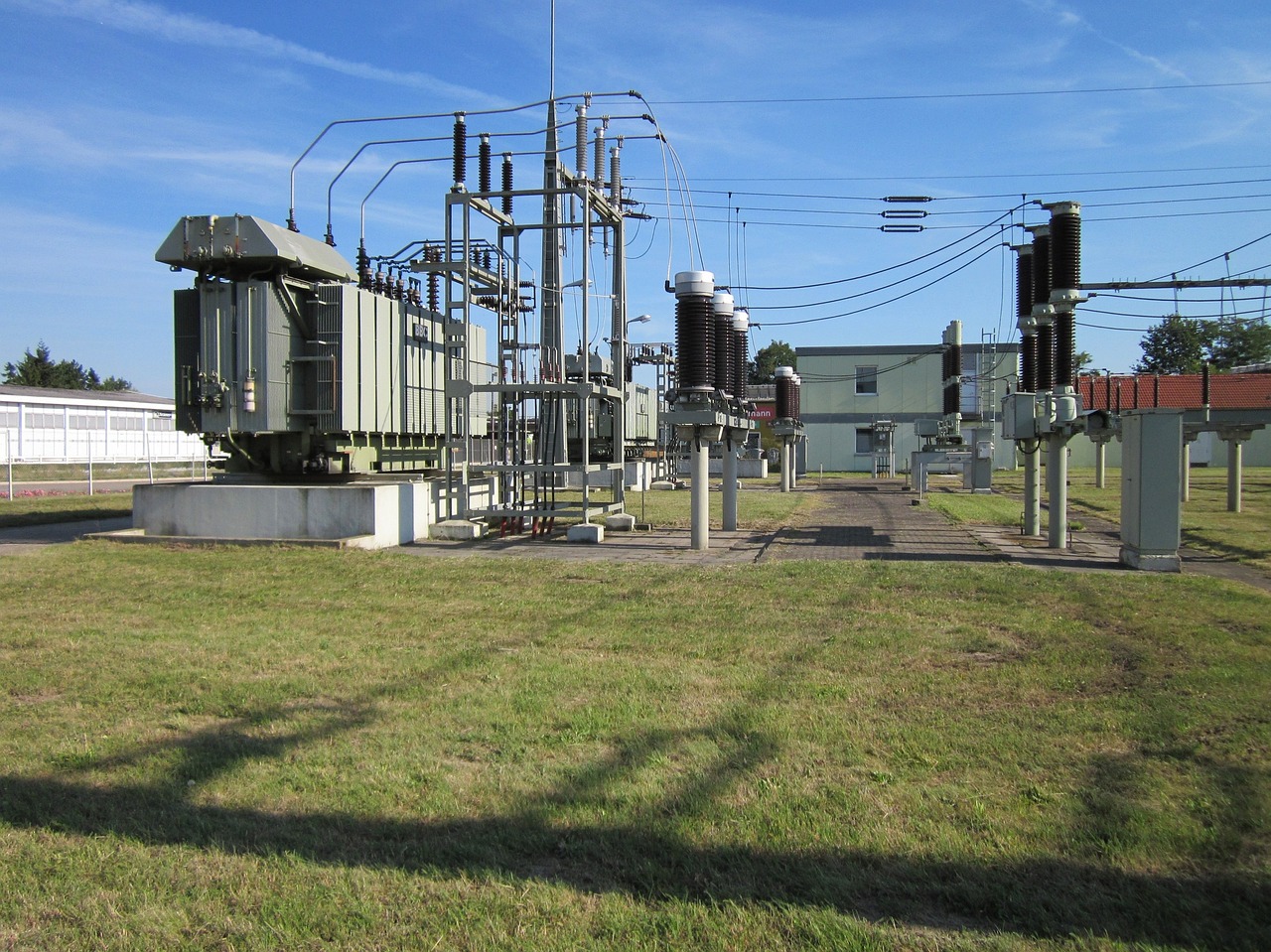
Pothead joints are essential for terminating high-voltage cables. These joints provide a secure connection between overhead lines and underground cables. You often encounter them in power distribution systems where durability and insulation are critical.
The design of a pothead joint includes a robust insulating material that prevents electrical leakage. This feature ensures safety and reliability in high-voltage environments. For instance, you might use these joints in substations or industrial facilities where cables transition between different mediums.
Tip: Always inspect the insulation quality of pothead joints before installation. This step helps you avoid potential system failures.
Pothead joints also simplify maintenance. Their structure allows technicians to access the connection point easily. This accessibility reduces downtime during repairs or inspections. By choosing the right pothead joint, you can enhance the efficiency and safety of your electrical systems.
Transition Joint
Transition joints connect cables of different types or sizes. These joints are vital when you need to integrate cables with varying insulation materials or voltage ratings. For example, you might use a transition joint to link a paper-insulated cable to a polymer-insulated one.
The versatility of transition joints makes them suitable for diverse applications. You can find them in underground cabling systems, renewable energy projects, and even marine environments. Their design ensures a seamless connection while maintaining the integrity of the electrical system.
When selecting a transition joint, consider the compatibility of the materials involved. Proper cable jointing techniques also play a crucial role in ensuring a reliable connection. By focusing on these factors, you can achieve optimal performance and longevity for your system.
Sleeve Joint
Sleeve joints are among the simplest types of cable joints. They connect two cables by enclosing them in a protective sleeve. This design provides mechanical strength and electrical continuity. You often use sleeve joints in low-voltage applications, such as residential wiring or small-scale industrial setups.
The installation process for sleeve joints is straightforward. You slide the sleeve over the cable ends and secure it with adhesive or heat shrink. This simplicity makes sleeve joints a popular choice for quick repairs or temporary connections.
Note: While sleeve joints are easy to install, ensure they meet the voltage and current requirements of your system. Using the wrong joint can compromise safety and performance.
Sleeve joints offer a cost-effective solution for basic cable jointing needs. By using high-quality materials, you can ensure a durable and reliable connection.
Resin Joint
Resin joints are a reliable solution for protecting and insulating cable connections in challenging environments. These joints use a specialized resin to encase the cable ends, creating a durable and waterproof seal. You often find resin cable joints in underground cabling systems, where exposure to moisture and mechanical stress is common.
The performance of resin joints has been validated through rigorous testing. For example:
-
The Network Rail standard requires compliance with BS EN 50393, ensuring joints remain functional after 21 days of water immersion.
-
Prysmian Group’s JEM resin has achieved remarkable success, with over 30 million liters used and no reported electrical failures.
-
JEM resin can cure at temperatures as low as -15°C, making it suitable for cold climates like the UK.
These features make resin joints ideal for applications requiring long-term reliability. Their ability to withstand harsh conditions ensures the integrity of your electrical systems. When selecting a resin joint, consider the compatibility of the resin with your cable materials. Proper cable jointing techniques also play a crucial role in achieving a secure and efficient connection.
Heat Shrink Joint
Heat shrink joints provide a versatile and efficient way to connect cables while ensuring excellent insulation and mechanical protection. These joints use heat-activated tubing that shrinks tightly around the cable ends, forming a secure seal. You can rely on heat shrink joints for applications ranging from residential wiring to industrial systems.
The growing demand for renewable energy projects has increased the adoption of heat shrink joints. These projects require high-performance cable joints to ensure effective electricity transmission. Advancements in material science have further enhanced the reliability of heat shrink joints, making them a preferred choice in various sectors. Their ease of installation reduces errors, while their durability ensures long-term safety and efficiency.
Heat shrink joints are particularly valuable in industrial and commercial settings, where secure power distribution is critical. Their ability to provide consistent performance under demanding conditions makes them a dependable option for your cable jointing needs. By choosing high-quality heat shrink joints, you can enhance the safety and efficiency of your electrical systems.
Applications of Different Types of Cable Joints

Cable joints play a critical role in ensuring seamless electrical connections across various sectors. Their versatility allows them to meet the unique demands of industrial systems, residential wiring, and underground cabling projects.
Industrial Applications
In industrial settings, cable joints are indispensable for maintaining efficient power distribution and system reliability. They connect high-voltage cables, ensuring uninterrupted energy flow in factories, power plants, and renewable energy installations. For example, the 110kV temperature-measuring cable joint market has grown significantly due to its ability to enhance safety and efficiency in power transmission. This growth aligns with the rising demand for smart grids and renewable energy systems.
Industrial applications often require joints that can withstand extreme conditions. Heat shrinkable and cold shrinkable cable joints, capable of handling voltages up to 72.5kV and 36kV respectively, are commonly used. These joints provide excellent insulation and mechanical strength, making them suitable for high-stress environments.

Residential Wiring
In residential wiring, cable joints ensure safe and reliable connections for everyday electrical needs. They are used to extend cable lengths, repair damaged wires, or create branch connections. Routine testing, such as IEC 62895 standards, ensures the reliability of these joints. However, temperature sensitivity and undetected defects remain common causes of cable joint failure in residential systems.
For residential applications, sleeve joints and heat shrink joints are popular choices. Their straightforward installation process makes them ideal for quick repairs or replacements. By selecting high-quality materials and following proper cable jointing techniques, you can minimize risks and enhance the longevity of your electrical systems.
|
Aspect |
Description |
|---|---|
|
Testing Standards |
Routine testing according to IEC 62895 is used to assess cable joint reliability. |
|
Temperature Sensitivity |
Electric field distribution in HVDC joints is sensitive to temperature, affecting reliability. |
|
Detection of Defects |
Not all defects critical during operation can be detected in routine tests, leading to potential failures. |
Underground Cabling
Underground cabling projects demand cable joints that can withstand harsh environmental conditions. Proper insulation and moisture protection are essential to prevent electrical failures and ensure long-term reliability. Advanced technologies, such as gel-filled insulation, enhance the waterproofing and electrical insulation properties of these joints.
Resin joints and transition joints are commonly used in underground cabling. Resin joints, for instance, create a durable and waterproof seal, making them ideal for areas prone to moisture and mechanical stress. Transition joints, on the other hand, connect cables with different insulation types or voltage ratings, ensuring compatibility and system integrity.
-
Proper insulation prevents electrical failures.
-
Moisture protection ensures the longevity of cable joints.
-
Gel-filled insulation enhances waterproofing and electrical insulation properties.
By choosing the right type of cable joint and adhering to proper installation practices, you can optimize the performance and durability of underground cabling systems.
High-Voltage Systems
High-voltage systems demand cable joints that can handle extreme electrical stress while maintaining safety and efficiency. These systems often operate in power plants, substations, and renewable energy installations. The right cable jointing technique ensures uninterrupted power transmission and prevents system failures.
Cable joints used in high-voltage applications undergo rigorous testing to meet industry standards. These tests evaluate their performance under conditions like humidity, salt fog, and partial discharge. For example, the table below highlights the test voltage and rated voltage for various high-voltage tests:
|
Test |
Test Voltage |
Rated Voltage U01U (Um) kV |
|---|---|---|
|
Humidity & Salt Fog |
1.25U0 |
5, 8, 11, 16, 24 |
|
Partial Discharge |
1.73U0 |
6.5, 11, 15, 22, 33 |
|
Heating Cycle Voltage & AC Voltage |
2.5U0 |
9.5, 16, 23, 32, 47.5 |
|
AC Voltage / 1 min |
4U0 |
15, 25.5, 35, 51, 76 |

When selecting cable joints for high-voltage systems, you should consider their insulation properties and mechanical strength. Heat shrink and resin joints are popular choices due to their ability to withstand high voltages and environmental stress. Proper cable jointing techniques further enhance their reliability, ensuring long-term system performance.
Marine and Offshore Applications
Marine and offshore environments present unique challenges for cable jointing. These settings expose cables to moisture, saltwater, and mechanical stress. You need joints that provide excellent waterproofing and corrosion resistance to ensure reliable performance.
Resin joints are widely used in marine applications due to their ability to create a watertight seal. Their durability makes them ideal for underwater cabling and offshore wind farms. Transition joints also play a crucial role in connecting cables with different insulation types, ensuring compatibility in complex systems.
In offshore platforms, cable joints must withstand high mechanical loads and extreme weather conditions. Advanced materials like silicone elastomers enhance their resilience, making them suitable for harsh environments. By choosing the right joint and following proper installation practices, you can optimize the safety and efficiency of marine electrical systems.
Tip: Regular inspections and maintenance of cable joints in marine environments can prevent potential failures and extend their lifespan.
Factors to Consider When Choosing Cable Joints
Voltage and Current Requirements
Selecting cable joints that meet voltage and current requirements ensures system reliability and safety. You should evaluate the joint’s ability to handle electrical stress during operation. Type tests and prequalification tests assess the performance of cable joints under specific conditions.
|
Test Type |
Description |
|---|---|
|
Type Tests |
Evaluates the performance of transition joints under specific conditions. |
|
Prequalification Tests |
Assesses the design features of transition joints for expected service conditions. |
Testing procedures also verify the tightness and functionality of cable joints under water stress. Continuous voltage stress and breakdown voltage tests help reduce cable joint failure. These procedures ensure the joints remain functional for up to 10 years. Proper installation procedures further enhance their performance, minimizing risks during operation.
Insulation and Material Compatibility
Insulation and material compatibility play a crucial role in proper cable jointing. You must ensure the joint materials align with the cable’s insulation type. For example, polymer-insulated cables require joints with compatible polymer materials to maintain electrical integrity.
Mechanical strength is another factor to consider. High-quality materials provide durability and reduce cable joint failure. Proper installation procedures ensure the insulation remains intact, preventing electrical leakage. Routine testing procedures help identify defects early, reducing maintenance requirements and enhancing system longevity.
Environmental and Weather Conditions
Environmental factors significantly influence the performance of cable joints. Extreme weather events, such as heavy snow and storms, often lead to power outages. Resilient cable joint designs can withstand these conditions, ensuring uninterrupted service.
Heat waves degrade power system performance, causing failures even when the ampacity of the cable joint is not exceeded. Soil conditions, particularly during droughts, affect thermal conductivity. Abnormal heating of underground cables increases the failure rates of joints.
Tip: Regular maintenance requirements and inspections help reduce cable joint failure caused by environmental stress. Proper cable jointing techniques and installation procedures ensure long-term reliability in challenging conditions.
Ease of Installation and Maintenance
Ease of installation is a key factor when choosing cable joints. You want a solution that simplifies the process and minimizes errors. Modern cable joints, such as heat shrink and sleeve joints, are designed for straightforward installation. These joints require minimal tools and expertise, making them ideal for quick repairs or routine setups.
Tip: Always follow the manufacturer’s instructions during installation. This ensures the joint performs as intended and reduces the risk of failure.
Maintenance is equally important for long-term reliability. Regular inspections help you identify wear and tear before it leads to system failure. For example, resin joints require periodic checks to ensure the seal remains intact. Heat shrink joints, on the other hand, are low-maintenance due to their durable design.
Here are some best practices for installation and maintenance:
-
Use Proper Tools: Ensure you have the right equipment for the job. Incorrect tools can damage the joint or cable.
-
Inspect Before Installation: Check the cable ends and joint materials for defects. This step prevents issues during operation.
-
Schedule Routine Maintenance: Create a maintenance plan to inspect joints regularly. This helps you avoid unexpected downtime.
By prioritizing ease of installation and maintenance, you can enhance the efficiency and safety of your electrical systems. High-quality cable joints simplify these tasks, saving you time and effort.
Durability and Longevity
Durability is essential for cable joints, especially in demanding environments. You need joints that can withstand mechanical stress, temperature fluctuations, and exposure to moisture. Resin joints excel in underground and marine applications due to their waterproof seal. Heat shrink joints offer excellent resistance to environmental factors, making them suitable for industrial and residential use.
Longevity depends on the materials and design of the joint. High-quality materials, such as silicone elastomers and polymer resins, ensure the joint lasts for years without compromising performance. For example, resin joints used in underground cabling systems often remain functional for decades.
Note: Proper installation techniques significantly impact the lifespan of cable joints. Incorrect methods can lead to premature failure.
Here’s how you can maximize durability and longevity:
-
Choose the Right Joint: Select a joint that matches your application’s requirements. Consider factors like voltage, insulation type, and environmental conditions.
-
Follow Installation Guidelines: Adhere to the manufacturer’s instructions to ensure a secure connection.
-
Invest in Quality Materials: Opt for joints made from durable materials to reduce maintenance needs and extend their lifespan.
Durable and long-lasting cable joints reduce costs and improve system reliability. By selecting the right joint and maintaining it properly, you can ensure your electrical systems perform efficiently over time.
Cable joints play a vital role in connecting cables securely and ensuring efficient power transmission. Each type serves a unique purpose, from straight joints for extending cable lengths to resin joints for waterproofing in harsh environments. The global cable joint market is projected to reach USD 31.5 billion by 2031, driven by advancements in industries like energy, IT, and aerospace.
Choosing the right cable joint enhances system reliability and safety. Regular maintenance schedules and electrical testing ensure long-term performance. Zoliov’s Cable Joints offer tailored solutions for diverse applications, combining durability with ease of installation. Explore Zoliov’s range for innovative designs that meet your specific needs.
Contact Zoliov
Find more details about Power Distribution Solution
FAQ
What are cable joints used for?
Cable joints connect two or more cables, ensuring a continuous electrical pathway. You use them to extend cable lengths, branch connections, or adapt cables to different environments. They also provide insulation and mechanical protection, maintaining the safety and efficiency of electrical systems.
How do you choose the right cable joint?
To choose the right cable joint, consider these factors:
-
Voltage and current requirements
-
Cable insulation type
-
Environmental conditions
-
Ease of installation
Selecting the correct joint ensures system reliability and safety.
Can cable joints be used in harsh environments?
Yes, certain cable joints, like resin and heat shrink joints, are designed for harsh environments. They provide waterproofing, corrosion resistance, and durability. You can use them in underground cabling, marine applications, or high-voltage systems.
How do you maintain cable joints?
Regular maintenance includes:
-
Inspecting for wear or damage
-
Checking insulation quality
-
Ensuring connections remain secure
Routine checks help you prevent failures and extend the lifespan of your cable joints.
Are cable joints suitable for renewable energy systems?
Absolutely! Cable joints play a vital role in renewable energy projects. They ensure efficient power transmission in solar farms, wind turbines, and other installations. Heat shrink and resin joints are popular choices due to their reliability and durability in demanding conditions.