


Transformers play a critical role in every substation. They regulate voltage levels to ensure efficient power transmission and distribution. Without them, maintaining a stable electrical grid would be impossible. Among the various types of transformer in substation systems, power transformers stand out for their ability to handle high voltage and heavy loads.
Zoliov introduces its Power Transformer as a reliable solution for energy transfer. Designed with advanced technology, it minimizes energy loss and ensures durability in demanding environments. Whether in industrial settings or utility networks, Zoliov’s transformer guarantees stable performance and long-term reliability.
Key Takeaways
-
Transformers help control voltage in substations for smooth power flow.
-
Step-up transformers raise voltage for long trips, reducing energy waste.
-
Step-down transformers lower voltage to safe levels for homes and offices.
-
Power transformers handle heavy loads and keep voltage steady in substations.
-
Distribution transformers deliver safe electricity to homes by lowering voltage.
-
Instrument transformers check electrical levels to improve safety and efficiency.
-
Special-purpose transformers solve specific problems like isolation or balancing loads.
-
Mobile substation transformers give temporary power during emergencies or in far places.

Step-Up Transformers in Substations
Purpose of Step-Up Transformers
Step-up transformers play a vital role in the efficient transmission of electricity. You will find these transformers in step up substations near power generation sites. Their primary function is to elevate the voltage of electricity produced by generating stations, which typically ranges from 11 to 66 kilovolts. By increasing the voltage to ultrahigh levels above 132 kilovolts, step-up transformers enable electricity to travel long distances with minimal energy loss. This process relies on electromagnetic induction, which raises the voltage while reducing the current. Lower current levels help minimize heat loss in transmission lines, ensuring that energy reaches its destination efficiently.
Voltage Levels Handled by Step-Up Transformers
Step-up transformers in substations are designed to handle high voltage levels essential for long-distance power transmission. These transformers typically operate within a voltage range of 115 to 765 kilovolts. Such high voltage levels are necessary to overcome the resistance of transmission lines and deliver electricity over vast distances without significant power loss. By managing these voltage levels, step-up transformers ensure that the electrical grid remains stable and efficient.
Typical Locations of Step-Up Transformers
You will commonly find step-up transformers in substations located near generating stations or even within the generating station itself. Their strategic placement ensures that electricity generated at low voltage levels can be immediately converted to ultrahigh voltage levels for transmission. These substations, often referred to as step up substations, serve as the first point of voltage transformation in the power distribution network. By situating step-up transformers close to power plants, the system minimizes energy loss and optimizes the efficiency of the electrical grid.
Tip: Step-up transformers are indispensable for long-distance power transmission. Their ability to increase voltage and reduce current ensures that electricity reaches consumers efficiently and reliably.
Step-Down Transformers in Substations
Purpose of Step-Down Transformers
Step-down transformers are essential for delivering electricity at safe and usable voltage levels. These transformers reduce the high voltage from transmission lines to levels suitable for various applications. Their primary purposes include:
-
Residential neighborhoods: Step-down transformers lower high voltage from power lines to approximately 7,200 volts. They further reduce this to 120/240 volts, making it safe for household appliances like refrigerators and lighting systems.
-
Commercial and industrial buildings: These transformers adjust voltage to meet the specific needs of equipment in businesses and factories. For example, they ensure the safe operation of hospital imaging machines or factory robotics.
-
EV charging stations: Step-down transformers convert high power from the grid into usable voltage for electric vehicle charging. This ensures efficient and safe charging for EV users.
By performing these functions, step-down transformers play a critical role in ensuring the safety and efficiency of the electrical grid.
Voltage Levels Handled by Step-Down Transformers
Step-down transformers manage a wide range of voltage levels to meet the diverse needs of end users. They typically reduce high transmission voltages, which can range from 66 kilovolts to 765 kilovolts, down to medium or low voltage levels. For residential areas, the voltage is often reduced to 120/240 volts. In industrial and commercial settings, the voltage may vary depending on the specific requirements of the equipment. This flexibility allows step-down transformers to cater to a variety of applications, ensuring that electricity is delivered at the appropriate voltage for safe and efficient use.
Typical Locations of Step-Down Transformers
You will find step-down transformers in substations strategically located near end users. These substations, often referred to as distribution substations, serve as the final point of voltage transformation before electricity reaches homes, businesses, and industrial facilities. In residential areas, pole-mounted transformers are common. These compact units are installed on utility poles to step down voltage for individual neighborhoods. In commercial and industrial zones, larger transformers are housed within substations to handle higher loads and meet the specific demands of factories, hospitals, and other facilities. Additionally, step-down transformers are increasingly found near EV charging stations, reflecting the growing demand for electric vehicles.
Note: Step-down transformers ensure that electricity is delivered safely and efficiently to end users. Their ability to handle diverse voltage levels and adapt to various applications makes them indispensable in modern power systems.
Power Transformers in Transformer Substations
Purpose of Power Transformers
Power transformers serve as the backbone of transformer substations, performing several critical functions to ensure efficient energy management. Their primary purposes include:
-
Voltage Transformation: They adjust voltage levels of alternating current (AC) electricity, stepping up voltage for long-distance transmission and stepping down for local distribution.
-
Isolation: Power transformers provide electrical isolation between different sections of the electrical system, enhancing safety and preventing faults from spreading.
-
Impedance Matching: They match the impedance of the power source to the load, ensuring efficient energy transfer and minimizing power loss.
-
Voltage Regulation: These transformers maintain voltage within a specified range, ensuring a consistent and high-quality power supply.
-
Power Distribution: They play a vital role in distributing electricity efficiently to residential, commercial, and industrial sectors. (Zoliov provides professional customized manufacturing services for high and low voltage power distribution equipment, including power transformer.)
By performing these functions, power transformers ensure the stability and reliability of the electrical grid. Their ability to handle high loads and maintain voltage consistency makes them indispensable in modern substations.
Voltage Levels Handled by Power Transformers
Power transformers are designed to manage a wide range of voltage levels, making them suitable for various applications. In transformer substations, they typically operate at high and extra-high voltage levels, ranging from 66 kilovolts to 765 kilovolts. These voltage levels are essential for transmitting electricity over long distances with minimal energy loss. Additionally, power transformers can step down voltage to medium levels, such as 33 kilovolts, for distribution to local substations. Their versatility in handling different voltage levels ensures that electricity is delivered efficiently and safely across the power grid.
Typical Locations of Power Transformers
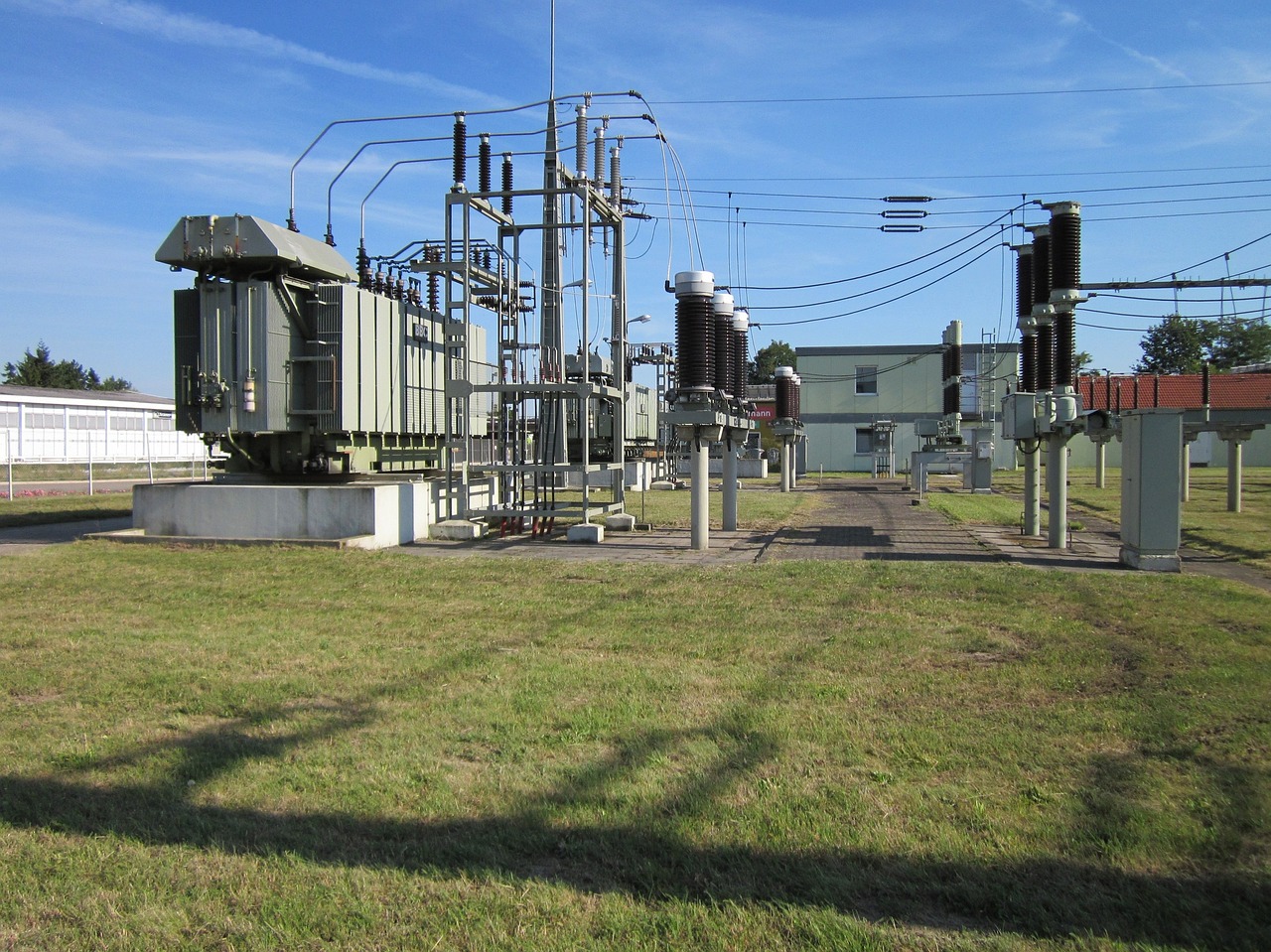
In transformer substations, power transformers are usually positioned at the center of the facility. This strategic placement allows for efficient management of electrical components and connections. High-voltage rooms are typically located on one side of the substation, while low-voltage rooms are on the other. This layout ensures smooth voltage transformation and minimizes the risk of electrical faults. You will often find power transformers in substations that serve as key nodes in the electrical grid, connecting high-voltage transmission lines to medium-voltage distribution networks. Their central location within the substation optimizes performance and facilitates maintenance.
Tip: Power transformers are essential for maintaining the efficiency and reliability of the electrical grid. Their ability to handle high voltage levels and perform multiple functions makes them a cornerstone of modern substations.
Contact Zoliov
Find more details about power transformer
Distribution Transformers in Distribution Substations
Purpose of Distribution Transformers
Distribution transformers are essential for delivering electricity at safe and usable voltage levels to end users. These transformers step down high transmission voltages to lower levels suitable for residential, commercial, and industrial applications. Their primary purposes include:
-
Reducing high transmission voltages to levels that consumers can safely use.
-
Ensuring efficient and reliable power distribution to homes, businesses, and other facilities.
-
Operating continuously to maintain a stable and uninterrupted power supply.
-
Incorporating protective devices and cooling mechanisms to enhance safety and performance.
You rely on distribution transformers to ensure that electricity reaches your home or workplace safely and efficiently. Without them, the electrical grid would struggle to meet the diverse needs of modern consumers.
Voltage Levels Handled by Distribution Transformers
Distribution transformers handle a wide range of voltage levels to meet the requirements of various applications. Typically, they reduce high transmission voltages, such as 11 kilovolts, to lower levels like 400 volts. This reduction makes the electricity safe for use in residential neighborhoods, commercial buildings, and industrial facilities. The ability to manage these voltage levels ensures that distribution transformers can cater to the specific needs of different end users. Their design prioritizes reliability and efficiency, making them a critical component of the electrical grid.
Typical Locations of Distribution Transformers
You will commonly find distribution transformers near the consumer end of the power distribution network. Within a distribution substation, these transformers are strategically placed to reduce voltage from 11 kilovolts to 400 volts, ensuring safe delivery to end users. Most distribution transformers are designed for outdoor installation. In residential areas, they are often mounted on utility poles, making them easily accessible for maintenance. In commercial and industrial zones, you may see them housed in dedicated enclosures to handle higher loads. Their placement within the distribution substation ensures efficient voltage transformation and reliable power delivery.
Note: Distribution transformers are indispensable for modern power systems. Their ability to step down voltage and operate continuously ensures that electricity is delivered safely and efficiently to consumers.
Instrument Transformers in Substations
Instrument transformers are specialized devices used in substations to measure electrical parameters and ensure the safety and efficiency of the power system. These transformers play a critical role in monitoring, control, and protection by stepping down high currents or voltages to manageable levels for measurement and analysis.
Types of Instrument Transformers
Current Transformers (CTs)
Current transformers, or CTs, are designed to measure high electrical currents in a substation. They step down these currents to a safe level, allowing you to monitor and analyze them using standard measuring instruments. CTs are essential for applications like fault detection and load monitoring, ensuring the stability of the power system.
Voltage Transformers (VTs) or Potential Transformers (PTs)
Voltage transformers, also known as potential transformers, reduce high voltage levels to a lower, proportional value. This allows you to measure and monitor voltage safely without exposing equipment or personnel to dangerous high-voltage conditions. VTs are commonly used in metering and protective relay systems.
Other Types of Instrument Transformers
In addition to CTs and VTs, substations may also use:
-
Control Power Transformers (CPTs): These supply power to control circuits within the electrical system.
-
Capacitor Coupled Voltage Transformers (CCVTs): These are used for specific applications, such as coupling high-frequency signals to the power line.
Purpose of Instrument Transformers
Instrument transformers serve several important purposes in substations:
-
They provide accurate measurements for monitoring and control, ensuring the system operates efficiently.
-
They supply reliable inputs to protective relays, which detect abnormal conditions like short circuits or overloads.
-
They enhance safety by isolating high-voltage circuits from measuring instruments, protecting both equipment and personnel.
By performing these functions, instrument transformers contribute to the overall reliability and safety of the electrical grid.
Voltage Levels Handled by Instrument Transformers
Instrument transformers are designed to handle a wide range of voltage levels, depending on their application. Current transformers typically operate with high currents, while voltage transformers manage high voltages, often exceeding 66 kilovolts in substations. These transformers step down these values to standardized levels, such as 5 amps or 110 volts, making them compatible with measuring devices and protective equipment.
Note: Instrument transformers are indispensable in substations. Their ability to provide accurate measurements and ensure safety makes them a cornerstone of modern power systems.
Typical Locations of Instrument Transformers
Instrument transformers are strategically placed within substations to optimize their functionality and ensure accurate measurements. Their locations depend on the specific type of transformer and its role in the power system. Understanding where you can find these transformers helps you appreciate their importance in maintaining grid stability and safety.
1. Current Transformers (CTs)
You will typically find current transformers installed on the primary side of circuit breakers or near busbars. These locations allow CTs to measure the current flowing through critical components of the substation. By placing them close to high-current paths, you ensure accurate monitoring and protection of the system. For example, CTs are often mounted on the outgoing feeders of a substation to measure load currents and detect faults.
Tip: When inspecting a substation, look for CTs near high-voltage equipment like transformers or switchgear. Their compact design makes them easy to spot.
2. Voltage Transformers (VTs) or Potential Transformers (PTs)
Voltage transformers are usually located near busbars or connected directly to high-voltage lines. These positions allow VTs to step down voltage levels for metering and relay protection. In substations with multiple voltage levels, you may find VTs installed at each voltage tier to monitor and control the system effectively. For instance, in a 132kV substation, VTs are often placed on the high-voltage side to provide accurate voltage readings for protective relays.
3. Combined CT-VT Units
In some substations, you might encounter combined CT-VT units. These devices integrate current and voltage measurement into a single unit, saving space and simplifying installation. You will often find these units near circuit breakers or busbars, where they can simultaneously monitor current and voltage parameters.
4. Control Rooms and Relay Panels
While the transformers themselves are located near high-voltage equipment, their outputs are routed to control rooms or relay panels. Here, you can observe the data collected by CTs and VTs displayed on meters or fed into protective relays. This setup ensures that operators have real-time access to critical information for decision-making.
Note: Instrument transformers are always positioned to balance accessibility and safety. Their placement ensures accurate measurements while protecting personnel from high-voltage exposure.
5. Outdoor and Indoor Substations
In outdoor substations, you will see instrument transformers mounted on steel structures or directly on equipment like circuit breakers. In indoor substations, they are often housed within switchgear cabinets to protect them from environmental factors. Regardless of the setting, their placement ensures optimal performance and durability.
Callout: Proper placement of instrument transformers is crucial for the efficiency and safety of the power system. Their strategic locations allow you to monitor and control the grid effectively.
By understanding where instrument transformers are located, you gain insight into their role in ensuring the reliability and safety of the electrical grid. Their strategic placement within substations highlights their importance in modern power systems.
Special-Purpose Transformers in Substations
Special-purpose transformers are designed to meet unique requirements in substations and industrial applications. These transformers go beyond standard voltage transformation, offering tailored solutions for specific challenges in power systems.
Types of Special-Purpose Transformers
Special-purpose transformers come in various types, each serving a distinct role. Below is a table summarizing some of the most common types:
|
Transformer Type |
Description |
|---|---|
|
Isolation Transformer |
Provides electrical isolation to enhance safety and reduce electromagnetic interference (EMI), ideal for sensitive devices. |
|
Furnace Transformer |
Built for high-temperature industrial applications, such as steelmaking, and designed to handle extremely high currents. |
|
Station Transformer |
Connects transmission lines to distribution networks by stepping up or down voltage levels in substations. |
|
Autotransformer |
Uses a single winding for voltage regulation and impedance matching, offering a compact and efficient design. |
Each type addresses specific needs, ensuring that your substation operates efficiently and safely.
Isolation Transformers
Isolation transformers are essential for safety and performance. They electrically separate different parts of the system, preventing faults from spreading and reducing EMI. These transformers are particularly useful in applications involving sensitive equipment, such as control systems or medical devices, where stable operation is critical.
Phase-Shifting Transformers
Phase-shifting transformers manage power flow in transmission networks. By altering the phase angle between input and output, they help balance load distribution across parallel lines. This capability makes them indispensable in preventing overloads and optimizing grid performance.
Purpose of Special-Purpose Transformers
Special-purpose transformers perform several critical functions in substations and industrial settings. Their primary purposes include:
-
Voltage regulation: These transformers maintain consistent voltage levels, ensuring the stability of your electrical system.
-
Electrical isolation: They enhance safety by isolating different sections of the grid, protecting equipment and personnel.
-
Industrial applications: Transformers like furnace transformers are tailored for demanding environments, such as high-temperature steel production.
By addressing these needs, special-purpose transformers ensure that your power system remains reliable and efficient.
Tip: When selecting a special-purpose transformer, consider the specific requirements of your application. Choosing the right type can significantly improve performance and safety.
Voltage Levels Handled by Special-Purpose Transformers
Special-purpose transformers are designed to handle a wide range of voltage levels, depending on their application. Isolation transformers typically operate at medium to low voltages, ensuring safe operation for sensitive devices. Furnace transformers, on the other hand, handle high currents and voltages required for industrial processes. Autotransformers are versatile, managing both high and low voltage levels while maintaining compactness.
Note: The voltage range of a special-purpose transformer depends on its design and intended use. Always ensure that the transformer you choose matches the voltage requirements of your system.
By understanding the types, purposes, and voltage capabilities of special-purpose transformers, you can optimize your substation’s performance and meet the unique demands of your power system.
Typical Locations of Special-Purpose Transformers
Special-purpose transformers are strategically placed to optimize their performance and meet the unique demands of power systems. Their locations depend on their specific type and application. Below are the typical placements for various special-purpose transformers:
1. Isolation Transformers
You will often find isolation transformers installed in areas requiring enhanced safety and reduced electromagnetic interference (EMI). These locations include:
-
Control Rooms: Isolation transformers protect sensitive control equipment from voltage spikes and EMI.
-
Medical Facilities: In hospitals, they ensure the safe operation of imaging devices and other critical equipment.
-
Industrial Plants: These transformers isolate high-power machinery from the main grid, preventing faults from spreading.
Tip: Look for isolation transformers near sensitive equipment. Their placement ensures stable and interference-free operation.
2. Phase-Shifting Transformers
Phase-shifting transformers are typically located in transmission substations. These transformers manage power flow and balance loads across parallel transmission lines. You will find them in:
-
High-Voltage Substations: They regulate power flow in large grids, preventing overloads.
-
Interconnection Points: At junctions between regional grids, they optimize energy transfer and reduce congestion.
Callout: Phase-shifting transformers are critical for maintaining grid stability. Their strategic placement ensures efficient power distribution.
3. Furnace Transformers
Furnace transformers are designed for industrial applications. You will see them in:
-
Steel Plants: These transformers supply high currents to electric arc furnaces for steel production.
-
Foundries: They power induction furnaces used for melting metals.
-
Chemical Plants: Furnace transformers support processes requiring high temperatures, such as electrolysis.
Note: Furnace transformers are always located close to the equipment they serve. This minimizes energy loss and ensures efficient operation.
4. Autotransformers
Autotransformers are compact and versatile. You will find them in:
-
Substations: They step up or step down voltage levels efficiently, often in medium-voltage networks.
-
Renewable Energy Systems: Autotransformers connect wind farms or solar plants to the grid.
-
Industrial Facilities: They regulate voltage for machinery, ensuring smooth operation.
|
Transformer Type |
Typical Location |
|---|---|
|
Isolation Transformer |
Control rooms, hospitals, industrial plants |
|
Phase-Shifting Transformer |
High-voltage substations, interconnection points |
|
Furnace Transformer |
Steel plants, foundries, chemical plants |
|
Autotransformer |
Substations, renewable energy systems, industrial facilities |
Emoji Insight: 🏭Furnace transformers power industrial processes, while 🏥 isolation transformers protect sensitive medical equipment.
By understanding the typical locations of special-purpose transformers, you can appreciate their role in optimizing power systems. Their strategic placement ensures safety, efficiency, and reliability in various applications.
Mobile Substation Transformers

Purpose of Mobile Substation Transformers
Mobile substation transformers are designed to provide flexible and temporary solutions for power needs. You can rely on them to address various challenges in the electrical grid. These transformers are particularly useful in situations where traditional substations are unavailable or impractical. Their primary purposes include:
-
Powering remote locations that lack access to reliable electricity.
-
Supporting disaster recovery efforts by restoring power to critical infrastructure.
-
Facilitating the construction and maintenance of power grids by providing temporary energy.
-
Distributing renewable energy from sources like wind and solar farms to the grid.
-
Offering emergency power during outages to ensure continuity of operations.
-
Providing temporary power for events, festivals, and military operations.
-
Ensuring reliable power for industrial operations and infrastructure projects.
By addressing these needs, mobile substation transformers play a vital role in maintaining the stability and efficiency of the power system.
Tip: Mobile substation transformers are indispensable for emergency response and temporary power needs. Their versatility makes them a valuable asset in modern power systems.
Voltage Levels Handled by Mobile Substation Transformers
Mobile substation transformers are engineered to handle a wide range of voltage levels, making them suitable for diverse applications. You will find these transformers operating at high, medium, and low voltage levels, depending on the specific requirements of the situation. For example, they can step down high transmission voltages, such as 132 kilovolts, to medium or low levels for local distribution. This flexibility allows them to adapt to various scenarios, from powering remote areas to supporting industrial operations. Their ability to manage different voltage levels ensures that electricity is delivered safely and efficiently, regardless of the application.
Note: When selecting a mobile substation transformer, always consider the voltage requirements of your application. Choosing the right transformer ensures optimal performance and safety.
Typical Applications of Mobile Substation Transformers
Mobile substation transformers are used in a variety of scenarios where temporary or emergency power is required. Their typical applications include:
-
Providing power to remote areas that lack a reliable supply.
-
Offering temporary power during natural disasters to support critical infrastructure.
-
Supporting construction projects and maintenance operations with temporary energy.
-
Facilitating the expansion of renewable energy by distributing generated power to the grid.
-
Powering military operations and critical infrastructure in remote locations.
-
Ensuring reliable power for industrial operations and serving as a backup during emergencies.
-
Supplying electricity for large-scale events, festivals, and temporary setups.
These applications highlight the versatility and importance of mobile substation transformers in addressing diverse power needs. Their ability to deliver reliable and efficient energy solutions makes them an essential component of transformer substations.
Callout: Mobile substation transformers are a practical solution for temporary and emergency power needs. Their adaptability ensures that you can meet the demands of any situation effectively.
Substation Transformers by Voltage Range
Super High Voltage Substations (>500kV)
Super high voltage substations are critical for managing the transmission of electricity across vast distances. These substations handle voltages exceeding 500 kilovolts, making them essential for connecting power generation facilities to the primary grid substation. You will find these substations in regions where electricity needs to travel long distances, such as between remote power plants and urban centers. Their ability to manage ultra-high voltages ensures minimal energy loss during transmission.
Transformers used in these substations are designed to handle extreme electrical loads. They step up voltage levels for efficient long-distance transmission or step down voltages for integration into high voltage substations. These transformers are robust, with advanced insulation and cooling systems to withstand the immense electrical stress. Their placement in super high voltage substations ensures the stability and reliability of the power grid.
Tip: Super high voltage substations play a vital role in reducing energy loss during transmission. Their transformers ensure efficient power delivery over long distances.
High Voltage Substations (66kV–500kV)
High voltage substations form the backbone of the electrical grid. These substations operate within a voltage range of 66 to 500 kilovolts, making them indispensable for regional power distribution. You will often find them connecting super high voltage substations to medium voltage networks, ensuring a seamless flow of electricity across the grid.
Transformers in high voltage substations are engineered to handle significant electrical loads. They step down voltages from super high levels to ranges suitable for regional distribution. These transformers also provide electrical isolation, ensuring the safety and efficiency of the system. Their strategic placement within the grid allows you to maintain a stable and reliable power supply for industrial, commercial, and residential applications.
Callout: High voltage substations are essential for regional power distribution. Their transformers ensure that electricity flows efficiently from generation to consumption.
Medium Voltage Substations (6kV–35kV)
Medium voltage substations serve as a bridge between high voltage substations and end users. These substations operate within a voltage range of 6 to 35 kilovolts, making them ideal for powering industries and large commercial facilities. You will find them in industrial zones, where they supply electricity to machines and equipment.
Transformers in medium voltage substations are designed for reliability and efficiency. They step down voltages from high levels to ranges suitable for industrial applications. Double-winding transformers are commonly used in these substations, ensuring precise voltage adjustments. Trusted manufacturers like Schneider Electric India provide high-quality transformers for these applications, ensuring consistent performance.
|
Characteristic |
Medium Voltage Transformers |
|---|---|
|
Voltage Range |
2400 to 69000 volts |
|
Application |
Used in industries to power machines |
|
Quality Assurance |
Provided by trusted manufacturers like Schneider Electric India |
Note: Medium voltage substations are crucial for industrial power systems. Their transformers ensure that electricity is delivered safely and efficiently to meet industrial demands.
Low Voltage Substations (0.2kV–0.4kV)
Low voltage substations play a crucial role in delivering electricity to end users. These substations operate at voltage levels between 0.2 kilovolts and 0.4 kilovolts, making them ideal for residential, commercial, and small-scale industrial applications. You rely on these substations to ensure that electricity reaches your home or workplace safely and efficiently.
Purpose of Low Voltage Substations
The primary purpose of low voltage substations is to step down electricity from medium voltage levels to a range suitable for end-user consumption. These substations act as the final stage in the power distribution network. They ensure that the electricity supplied to homes, offices, and small businesses is safe and compatible with appliances and equipment.
Key functions include:
-
Voltage Reduction: They lower medium voltage levels, typically around 11 kilovolts, to 0.2–0.4 kilovolts.
-
Power Distribution: They distribute electricity to secondary substations or directly to consumers.
-
Safety Assurance: They incorporate protective devices to prevent electrical faults and ensure user safety.
By performing these functions, low voltage substations maintain the reliability and efficiency of the electrical grid.
Typical Locations of Low Voltage Substations
You will often find low voltage substations located close to end users. These substations are strategically placed to minimize energy loss during distribution. Common locations include:
-
Residential Areas: They supply electricity to homes and small apartment complexes.
-
Commercial Zones: They power small businesses, retail stores, and office buildings.
-
Industrial Parks: They serve small-scale industries with moderate power requirements.
In urban areas, these substations are often housed in compact enclosures or underground facilities to save space. In rural regions, you may see them mounted on poles or within small buildings.
Components of Low Voltage Substations
Low voltage substations consist of several key components that ensure efficient operation:
-
Transformers: These step down medium voltage to low voltage levels.
-
Switchgear: This equipment controls and protects the electrical circuits.
-
Distribution Panels: These panels distribute electricity to secondary substations or directly to consumers.
-
Protective Devices: These include circuit breakers and fuses to safeguard against faults.
Each component works together to ensure that electricity is delivered safely and reliably.
Note: Low voltage substations are the backbone of local power distribution. Their efficient operation ensures that you receive a stable and safe power supply.
Importance of Low Voltage Substations
Low voltage substations are indispensable in modern power systems. They bridge the gap between medium voltage networks and end users, ensuring that electricity is delivered at the appropriate voltage level. Without these substations, the electrical grid would struggle to meet the diverse needs of consumers. Their role in maintaining safety, reliability, and efficiency makes them a vital part of transformer substations.
Callout: Low voltage substations ensure that electricity reaches you safely and efficiently. Their strategic placement and robust design make them essential for modern living.
Substation Transformers by Winding Material
Copper-Wound Transformers
Copper-wound transformers are a popular choice in transformer substations due to their superior electrical and mechanical properties. Copper offers higher electrical conductivity compared to aluminum, allowing it to carry more current efficiently. This makes copper-wound transformers ideal for high-load applications where performance and reliability are critical.
One of the key advantages of copper is its excellent thermal conductivity. This property enables the transformer to dissipate heat more effectively, reducing the risk of overheating and extending its lifespan. Additionally, copper’s higher tensile strength ensures that the windings can withstand mechanical stress during operation, making these transformers more durable. You will also notice that copper-wound transformers produce less noise because of their lower thermal expansion coefficient, which minimizes vibrations.
However, copper-wound transformers come with a higher price tag. Copper is significantly more expensive than aluminum, often making these transformers up to 100% costlier. They are also heavier, which can increase installation costs, especially in substations where space and weight considerations are important. Despite these drawbacks, the long-term benefits of durability and efficiency often outweigh the initial investment.
Tip: If you prioritize performance and longevity in your substation, copper-wound transformers are an excellent choice.
Aluminum-Wound Transformers
Aluminum-wound transformers provide a cost-effective alternative for applications where budget and weight are key considerations. Aluminum is lighter and cheaper than copper, making these transformers an attractive option for low-voltage applications or installations where weight constraints are critical.
Although aluminum has only 60% of copper’s electrical conductivity, manufacturers compensate by increasing the cross-sectional area of the aluminum windings. This adjustment ensures that energy losses remain comparable to those of copper-wound transformers. Aluminum’s malleability also simplifies handling and welding during manufacturing, which has improved its reliability over time.
However, aluminum-wound transformers have some limitations. Aluminum expands and contracts at a higher rate than copper, which can lead to mechanical stress over time. This characteristic may reduce the lifespan of the transformer, especially in demanding environments. Additionally, aluminum-wound transformers are less efficient at dissipating heat, which can affect performance under heavy loads.
Note: Aluminum-wound transformers are a practical choice for low-voltage applications where cost and weight are primary concerns. However, they may require more frequent maintenance in high-stress environments.
|
Feature |
Copper-Wound Transformers |
Aluminum-Wound Transformers |
|---|---|---|
|
Conductivity |
Higher electrical conductivity |
Lower, but compensated by larger cross-section |
|
Thermal Conductivity |
Better heat dissipation |
Less efficient heat dissipation |
|
Durability |
Longer lifespan, higher tensile strength |
Shorter lifespan, prone to mechanical stress |
|
Cost |
More expensive |
Cheaper |
|
Weight |
Heavier |
Lighter |
Callout: Both copper and aluminum transformers meet efficiency standards. Your choice should depend on the specific needs of your substation, such as budget, load requirements, and environmental conditions.
Substations depend on various transformers to regulate voltage and ensure efficient power distribution. Each type, from step-up transformers for long-distance transmission to distribution transformers for end-user delivery, plays a vital role in maintaining the electrical grid. Understanding the types of transformer in substation systems helps you appreciate their importance in ensuring a stable and efficient power system.
For reliable performance, consider Zoliov’s power transformer. Its advanced design minimizes energy loss and ensures durability, making it a dependable choice for transformer substations. Whether for industrial or utility applications, Zoliov delivers unmatched efficiency and reliability.
FAQ
What is the primary role of a transformer in a substation?
A transformer in a substation adjusts voltage levels to facilitate efficient power transmission and distribution. It ensures electricity flows safely and reliably from generation facilities to end users.
How do step-up and step-down transformers differ?
Step-up transformers increase voltage for long-distance transmission, minimizing energy loss. Step-down transformers reduce voltage to levels suitable for residential, commercial, or industrial use.
Why are instrument transformers essential in substations?
Instrument transformers measure high currents and voltages, stepping them down to manageable levels. They ensure accurate monitoring, enhance safety, and provide inputs for protective devices.
Where are distribution transformers typically located?
You will find distribution transformers near end users, such as residential neighborhoods or commercial zones. They step down voltage to levels suitable for safe and efficient consumption.
What makes mobile substation transformers unique?
Mobile substation transformers provide temporary power solutions. They are versatile, addressing emergency needs, powering remote areas, or supporting grid maintenance and expansion.
How do copper-wound and aluminum-wound transformers compare?
Copper-wound transformers offer better conductivity and durability but are heavier and costlier. Aluminum-wound transformers are lighter and more affordable, making them suitable for low-voltage applications.
What voltage levels do super high voltage substations handle?
Super high voltage substations manage voltages exceeding 500 kilovolts. These substations are critical for transmitting electricity across vast distances with minimal energy loss.
Can special-purpose transformers be customized?
Yes, special-purpose transformers can be tailored to meet unique requirements. Examples include isolation transformers for safety and phase-shifting transformers for load balancing.