


What is disconnector in switchgear? A disconnector in switchgear is a critical device used to isolate electrical circuits, ensuring safe maintenance and seamless operation. It plays a vital role in protecting systems from unexpected issues and enhancing overall reliability. For instance, power companies report that unforeseen outages can result in losses of up to $500,000 per hour, highlighting the importance of disconnectors in mitigating risks.
The growing demand for renewable energy, which reached 2,799 GW globally in 2020, underscores the significance of disconnectors in modern power grids. Zoliov, with over 20 years of expertise, offers advanced medium and low voltage solutions to address diverse power distribution needs.
Key Takeaways
-
Disconnectors shut off electrical circuits to allow safe repairs.
-
They show clearly when circuits are off, making repairs safer.
-
Some disconnectors are manual, while others use motors for work.
-
Using disconnectors cuts downtime and keeps power systems steady.
-
Checking and fixing disconnectors often stops sudden breakdowns.
-
Motor disconnectors help safely control power to motors during fixes.
-
Picking the right disconnector makes systems safer and work better.
-
Zoliov offers smart disconnectors with 20+ years of experience.
What Is a Disconnector in Switchgear?
Definition and Purpose
A disconnector, also called an isolator, is a tool used to safely separate electrical circuits. It makes sure maintenance or repairs can happen without danger from electricity. Unlike a circuit-breaker, which stops current during problems, a disconnector shows a clear break in the circuit, proving it is off.
Switchgear has become more advanced over time. Early systems were simple, but modern ones use new technology for industries and utilities. Disconnectors are key in this progress by offering safe power control. As per IEC 60947-3 rules, disconnectors are hand-operated, lockable devices with two states: open and closed. When locked open, they keep circuits safely separated.
Tip: Always check that a disconnector is open before doing maintenance. This keeps you safe and avoids accidental power flow.
Key Features and Characteristics
Disconnectors are important for keeping electrical systems safe. They do not stop current flow but can handle short-circuit currents briefly. Their main job is to separate equipment from power. Key features include:
-
Manual Operation: You control the process by operating them manually.
-
Lockable Mechanism: Locks stop accidental use, improving safety.
-
Durability: They pass tough tests for strength and reliability.
-
Types: Designs like vertical break, horizontal break, and pantograph fit different needs.
|
Feature |
Description |
|---|---|
|
Type |
Hand-operated, lockable, two-state device (open/closed) |
|
Purpose |
Safely separates circuits when locked in the open state |
|
Standards |
Defined by IEC 60947-3 |
|
Current Handling |
Cannot stop current; handles short-circuit currents briefly |
|
Capability |
Rated to handle short circuits for about 1 second |
|
Tests |
Must pass strength, overvoltage, and leakage-current tests |
Disconnectors are used in industries and utilities where safety is vital. For example, vertical break disconnectors work well for medium voltage, while horizontal break ones suit high-voltage outdoor setups.
Importance in Electrical Systems
Disconnectors are very important in today’s electrical systems. They make sure circuits are fully off, so maintenance is safe. As industries use more automation, the need for disconnectors grows. They improve system safety by stopping faults and meeting safety rules.
In renewable energy, disconnectors separate parts like solar panels or wind turbines for checks or fixes. In factories, they protect workers by cutting power to machines. The rise of non-fused switch disconnectors shows their value in keeping systems safe and reliable.
Note: Disconnectors are great for isolation but should be used with circuit-breakers for full protection.
How Does a Disconnector Work?
How It Operates
A disconnector works by separating circuits to keep them safe. This makes maintenance easier and prevents accidents. The way it works depends on its type. For example:
-
Hand-operated disconnectors need someone to pull a lever or handle.
-
Motor-operated disconnectors can be controlled remotely for safety.
|
Mechanism Type |
Description |
Uses |
|---|---|---|
|
Hand-operated |
Needs manual effort with a handle or lever. |
Small setups or places where motors aren’t useful. |
|
Motor-operated |
Works remotely, making it safer and automated. |
Big systems and high-voltage areas. |
|
Complex Mechanisms |
Uses parts that trigger actions to open or close circuits. |
Important for breaking or connecting circuits. |
Modern disconnectors often have sensors to check their condition. These sensors track things like temperature and humidity. Engineers use this data to fix problems and keep systems working well.
Tip: Check disconnector parts often to avoid sudden problems.
Why Disconnectors Are Important
The main job of a disconnector is to stop electricity flow. This makes sure repairs can happen safely. It also shows clearly when a circuit is off. This is very important in places like factories and power plants. For example, disconnectors stop power to motors during repairs, keeping workers safe.
Switch disconnectors do more than just isolate circuits. They can also stop electricity while it’s flowing. These are used in offices and factories where safety and flexibility matter.
|
Feature/Application |
Isolator |
Switch Disconnector |
|---|---|---|
|
Main Job |
Stops power in circuits that are already off. |
Can stop power even when circuits are on. |
|
Safety Features |
Shows clearly when a circuit is off. |
Stops power safely and has lock features. |
|
Where Used |
Found in factories, power plants, and high-voltage areas. |
Found in offices, factories, and data centers. |
|
Renewable Energy Use |
Keeps solar panels and wind turbines safe for repairs. |
Helps manage power in solar and wind systems. |
|
Network Efficiency |
Lets repairs happen without shutting everything down. |
Allows repairs without stopping all operations. |
By stopping electricity safely, disconnectors protect workers and equipment. They also let repairs happen without turning off the whole system.
Staying Safe While Using Disconnectors
Safety is very important when using disconnectors. Always make sure the circuit is off before using one. Look for a clear sign that it’s open. Locking systems help stop accidents by blocking unwanted use.
High-voltage disconnectors often have advanced features. These features check for problems like mechanical issues. Engineers can also monitor them remotely to avoid failures.
Note: Always lock and tag disconnectors before working on them. This keeps everyone safe.
Disconnectors are key to keeping electrical systems safe. They stop electricity and show when circuits are off. This protects both people and machines from harm.
Types of Disconnectors and Their Applications

Air Disconnectors
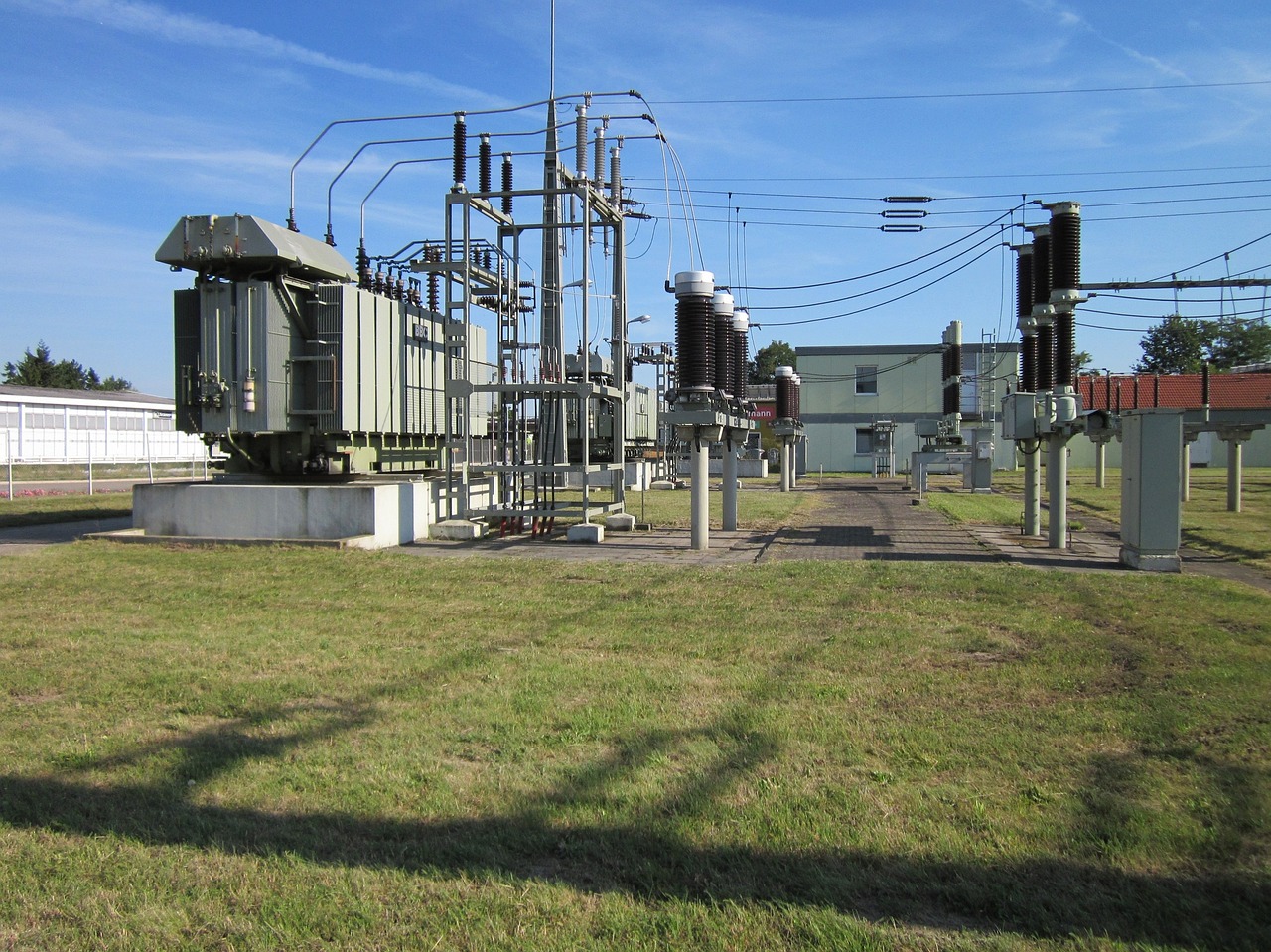
Air disconnectors are widely used in electrical systems. They use air to separate circuits safely. These are common in outdoor setups because they are simple and affordable. Their open design lets you see if the circuit is off, which makes maintenance safer.
Main features of air disconnectors:
-
Affordable: They cost less and are easy to set up.
-
Visible Safety: You can clearly see when the circuit is off.
-
Low Upkeep: They need little maintenance, lasting a long time.
Air disconnectors are often found in medium-voltage places like substations or factories. They work well where weather isn’t a big problem.
Tip: Always lock the air disconnector open before fixing anything. This stops accidental power flow.
Gas-Insulated Disconnectors
Gas-insulated disconnectors use gas, usually sulfur hexafluoride (SF6), for insulation. They are made for high-voltage areas with limited space. The gas gives strong insulation, keeping them safe in tight spots.
Benefits of gas-insulated disconnectors:
-
Space-Saving: Their small size fits in crowded areas.
-
Reliable: The gas keeps them working even in tough conditions.
-
Strong Build: They handle bad weather like humidity and pollution.
These disconnectors are used in city power systems and renewable energy setups like wind farms. They are great for places where space and reliability matter.
Note: Check the gas pressure often to keep them working safely.
Vacuum Disconnectors
Vacuum disconnectors are compact and handle high voltages well. They use a vacuum to stop electrical arcs, making them very safe. This makes them a good choice for modern systems.
Advantages of vacuum disconnectors:
-
Stops Arcs: The vacuum prevents dangerous electrical arcs.
-
Small and Light: They fit easily in tight spaces.
-
Energy-Saving: They use less energy than other types.
Vacuum disconnectors are used in factories and renewable energy systems. They are best for places where stopping arcs is important.
Reminder: Check vacuum disconnectors often to ensure the vacuum stays sealed and works properly.
Motor Disconnector Switch
A motor disconnector switch is a tool made for motors. It separates circuits to keep workers safe during repairs. It also stops power from accidentally reaching the motor. Unlike regular disconnectors, this switch handles motor needs like high starting currents and frequent use. It provides both safety and control for motor systems.
Motor disconnector switches come in different types for various uses. Some are manual and need you to pull a handle. Others are motorized and can be controlled from far away. Many have locks to stop others from using them, making them safer for factories.
The main job of a motor disconnector switch is safety. During repairs, it cuts the motor off from power completely. This stops accidental starts and keeps workers safe. These switches are strong and handle the stress of motor use. They are a trusted choice for factories and other industries.
Tip: Always check the switch is “off” before fixing anything. This simple step avoids accidents and damage.
Applications of Each Type in Electrical Systems
Different disconnectors are used for different jobs. Air disconnectors work well in medium-voltage places like factories. They are cheap and easy to see when off. Gas-insulated disconnectors are great for high-voltage areas with little space, like cities or wind farms. Vacuum disconnectors stop dangerous arcs and are used in factories and renewable energy systems.
Motor disconnector switches are key for motor systems. You’ll find them in factories to turn off motors for repairs or emergencies. They are also used in HVAC systems, conveyor belts, and other machines. They handle high starting currents and frequent use, making them very useful.
Knowing what each type does helps you pick the right one. This keeps your systems safe, efficient, and reliable.
Note: Check disconnectors often to make them last longer and work better.
What Is a Switch-Disconnector?
Definition and Features
A switch-disconnector is a device with two main jobs. It works as both a switch and a disconnector. This means it can stop electricity and also separate circuits safely. Unlike regular disconnectors, it can break circuits even when power is flowing. This makes it very useful for keeping systems safe and flexible.
Switch-disconnectors have special features to make them work better:
-
Dual Functionality: Acts as both a switch and a disconnector.
-
Safety Mechanisms: Many have locks to stop accidental use.
-
Durability: Built to handle heavy use and high power loads.
-
Compact Design: Fits well in small spaces.
These features make them a great choice for many uses, like factories and renewable energy systems.
Tip: Always check the switch-disconnector is “off” before fixing anything. This keeps you safe.
Differences Between Switch-Disconnectors and Standard Disconnectors
Switch-disconnectors and standard disconnectors are not the same. Knowing their differences helps you pick the right one.
|
Feature/Function |
Standard Disconnector |
Switch-Disconnector |
|---|---|---|
|
Primary Function |
Separates circuits when no power is flowing. |
Separates and stops circuits with power on. |
|
Safety Features |
Shows when a circuit is off. |
Shows off-state and stops power flow. |
|
Applications |
Used in high-voltage systems for isolation. |
Works in low to medium voltage systems. |
|
Operation |
Only works manually. |
Can be manual or motorized for remote use. |
Switch-disconnectors are more flexible. They are perfect for places where power needs to stop without shutting everything down.
Note: Both devices improve safety, but switch-disconnectors offer more options for modern systems.
Applications of Switch-Disconnectors
Switch-disconnectors are used in many industries because of their dual purpose. Here are some examples:
-
Industrial Systems: They stop power to machines during repairs or emergencies.
-
Renewable Energy: In solar and wind systems, they control power and allow safe repairs.
-
Commercial Buildings: They manage power in offices, data centers, and stores.
-
Motor Systems: These are key for motors. They cut power to motors during repairs, stopping accidental starts and keeping workers safe.
Some models are motorized, so they can be controlled from far away. This is helpful for high-voltage or hard-to-reach areas.
Reminder: Check your switch-disconnectors often to keep them working well.
Switch-disconnectors are important in today’s electrical systems. They safely stop and separate circuits, making them essential for safety and efficiency.
Applications of Disconnectors in Electrical Systems

Industrial Applications
Disconnectors are very important in factories for safety and efficiency. They stop electricity during repairs or emergencies. This keeps workers and machines safe. For example, in a factory with big machines, disconnectors let you fix problems without turning off everything.
Factories need strong disconnectors because their systems are complex. These devices handle high power and are used often. They are found in places like chemical plants and manufacturing sites. Disconnectors also show clearly when circuits are off, which is very helpful in risky areas.
Tip: Always lock the disconnector open before fixing anything. This avoids accidents.
Utility and Power Distribution Systems
In power grids, disconnectors help keep electricity flowing smoothly. They separate parts of the grid for repairs or to fix problems. This stops long power outages. For example, if one part of the grid breaks, disconnectors isolate it without shutting down the whole system.
As renewable energy grows, better disconnectors are needed. Smart grids use them to control electricity flow. Switch disconnectors are especially useful. They stop power quickly, preventing damage and improving efficiency.
The disconnector market is growing by 4% each year. This shows how important they are for modern power systems. Using disconnectors helps power companies save money and keep systems reliable.
Note: Check disconnectors in power grids often to avoid problems and keep power running.
Renewable Energy Systems
Solar and wind energy systems need disconnectors to work safely. These devices separate parts like solar panels or wind turbines during repairs. This keeps workers safe and protects the equipment.
In wind farms, disconnectors handle high power and bad weather. They are built to work well even in tough conditions. In solar systems, disconnectors control electricity between panels and the grid. This keeps the system stable and protects sensitive parts.
As renewable energy becomes more common, special disconnectors are needed. They help traditional and renewable energy systems work together. Disconnectors make sure renewable energy setups are safe and efficient.
Reminder: Check disconnectors in renewable energy systems often to keep them working well and safely.
Why Use a Motor Disconnector Switch for Motors?
A motor disconnector switch is important for motor safety and control. It disconnects the motor from power during repairs or emergencies. This stops accidental starts and keeps workers safe from electrical dangers.
Using this switch ensures the motor is fully off before fixing it. This is crucial in factories where motors work hard and need regular care. The switch separates the motor from power, making it safe for technicians and protecting the equipment.
These switches are made to handle motor needs. Motors often have high starting power and turn on and off a lot. Motor disconnector switches are strong enough to handle this and last a long time. They also have locks to stop others from using them, adding extra safety.
Besides safety, these switches help systems run better. They let you fix one motor without stopping everything else. This saves time and keeps work going. For example, in a factory with many conveyor belts, you can fix one belt without stopping the others.
In emergencies, motor disconnector switches are very useful. If a motor overheats or breaks, you can quickly turn it off. This prevents more damage and keeps everyone safe. These switches are a must-have for any motor system.
Benefits of Using Disconnectors
Better Electrical Safety
Disconnectors help keep electrical systems safe. They let you fully cut off circuits, lowering the chance of electric shocks during repairs. By showing a clear gap in the circuit, they confirm the system is off. This is very important in high-voltage areas where safety matters most.
Modern disconnectors often have locks to stop misuse. These locks keep the circuit off until the work is done. For example, in factories, you can lock the disconnector open to protect workers from accidental power. This simple feature makes workplaces much safer.
Tip: Always check that the disconnector is open before starting repairs. This step prevents accidents and damage.
Boosted System Reliability
Disconnectors make electrical systems more reliable. They let you isolate broken parts without shutting everything down. This reduces downtime and keeps power running smoothly.
Here are some ways disconnectors improve reliability:
-
Auto-reclosers lower power cuts caused by network issues.
-
Remote-controlled devices improve metrics like SAIDI and SAIFI.
-
Studies show auto-reclosers in radial systems cut interruptions, boosting reliability.
Adding disconnectors to your system gives better control and fewer outages.
Note: Check and maintain disconnectors regularly to keep them working well.
Easier Maintenance Work
Disconnectors make maintenance easier and safer. They let you work on circuits without turning off the whole system. This is helpful in large, complex networks.
Common maintenance tasks for disconnectors include:
|
Task |
What to Do |
|---|---|
|
Inspections |
Check insulators and conductors, like with circuit breakers. |
|
Cleaning |
Use approved cleaners; clean more often in tough conditions. |
|
Operational Checks |
Test arc blades, main contacts, and locks for proper function. |
|
Contact Resistance Tests |
Test each phase contact and review results for good performance. |
These tasks are simple and take less effort than other components. Following these steps helps disconnectors last longer and work better.
Reminder: Always follow the maker’s instructions to avoid extra wear and damage.
Cost-Effectiveness in Long-Term Operations
Using disconnectors is not just about safety and reliability. It’s also a smart way to save money over time. They help lower maintenance costs, reduce downtime, and make your equipment last longer.
1. Lower Maintenance Costs
Disconnectors are built to need little care. Their strong design means fewer repairs or replacements. Simple tasks like cleaning and checking them keep them working well. This reduces the need for expensive technicians, saving you money.
Tip: Always follow the maker’s care instructions to avoid extra costs.
2. Reduced Downtime
Stopping work can cost a lot, especially in busy industries. Disconnectors let you fix one part of the system without stopping everything. This keeps most of your system running and saves time.
For example, in a factory, a motor disconnector switch can stop power to one machine. Other machines keep working, saving money and time.
3. Extended Equipment Lifespan
Disconnectors protect your machines during repairs. They stop power surges and keep equipment safe. This helps your machines last longer and reduces how often you need to replace them.
|
Benefit |
How It Saves Money |
|---|---|
|
Lower Maintenance Costs |
Fewer repairs and less need for specialized technicians. |
|
Reduced Downtime |
Keeps operations running, minimizing productivity losses. |
|
Extended Equipment Lifespan |
Protects machinery, reducing replacement frequency. |
4. Energy Efficiency
Modern disconnectors, like vacuum and gas-insulated ones, use less energy. This lowers your electricity bills. Over time, this makes your system cheaper to run.
Note: Energy-efficient disconnectors save money and help the environment.
Choosing the right disconnectors saves money in the long run. They cut costs, improve efficiency, and protect your equipment. They are a smart choice for any electrical system.
Disconnectors are important in electrical switchgear. They separate circuits to allow safe repairs. They also protect equipment from damage and improve reliability. For example:
-
Fusible disconnect switches keep circuits off, letting workers stay safe.
-
Remote-controlled disconnectors cut downtime by up to 60%, proven in a Swedish substation study.
Picking the right disconnector boosts safety and reduces delays. Zoliov provides strong, advanced solutions for different needs. With 20+ years of experience, Zoliov supports industries with dependable power systems worldwide.
Tip: Choose Zoliov for safe and efficient electrical products.
Find more details about Power Distribution Solution
FAQ
1. What does a disconnector do?
A disconnector separates electrical circuits to keep workers safe. It shows a clear gap, proving the system is off for maintenance.
2. Can a disconnector stop electricity while it’s running?
No, a regular disconnector cannot stop electricity during use. It only works when the power is already off. Use a switch-disconnector to stop electricity while it’s on.
Tip: Use disconnectors with circuit breakers for full safety.
3. Where are disconnectors used most?
Disconnectors are used in factories, power grids, renewable energy setups, and motor systems. They are vital for safely isolating circuits in high-voltage areas.
4. How are gas-insulated disconnectors different from air ones?
Gas-insulated disconnectors use SF6 gas, making them small and strong in tough conditions. Air disconnectors use air, cost less, and work best in medium-voltage systems.
5. Why are motor disconnector switches needed?
Motor disconnector switches cut power to motors during repairs. They stop accidental starts, protect workers, and handle motors’ high starting power.
6. How do switch-disconnectors make systems safer?
Switch-disconnectors act as both a switch and a disconnector. They stop electricity and separate circuits, improving safety in low to medium voltage systems.
7. What care do disconnectors need?
Check insulators, clean parts, and test contact resistance regularly. Follow the maker’s instructions to keep them working well and lasting longer.
Reminder: Regular checks prevent sudden problems.
8. Why pick Zoliov for disconnectors?
Zoliov makes strong, reliable disconnectors for your needs. With 20+ years of experience, they ensure safety and efficiency in power systems worldwide.
Note: Over 500 clients trust Zoliov’s products globally.