


Primary substations serve as vital components in modern power systems. They transform high-voltage electricity from transmission lines into lower voltages suitable for distribution networks. This process ensures efficient power delivery to homes, businesses, and industries. By acting as a bridge between transmission and distribution systems, these substations maintain the stability and reliability of the electrical grid. However, challenges such as aging infrastructure, increasing electricity demand, and renewable energy integration require continuous upgrades to sustain their performance. Understanding what does a primary substation do highlights its critical role in meeting energy needs and supporting grid modernization.
Key Takeaways
-
Primary substations change high-voltage electricity into lower voltages for safe use.
-
They keep voltage steady to stop changes that can harm devices.
-
Substations control electricity flow to local areas, making power reliable and saving energy.
-
Special systems in substations adjust power quickly to match energy needs.
-
Circuit breakers stop problems by cutting off faults, avoiding blackouts, and keeping power steady.
-
Substations help use renewable energy by handling changing energy supplies for cleaner power.
-
Upgrades like digital tools and automation make substations work better and more reliably.
-
Using new technology and adding capacity is key for growing energy needs like cities and electric cars.
The Role of Primary Substations in Power Systems

Voltage Transformation
Stepping down high transmission voltages
Primary substations play a crucial role in voltage transformation by stepping down high-voltage transmission electricity to levels suitable for distribution. Electricity generated at power plants travels through transmission lines at extremely high voltages, often exceeding 100,000 volts. These high voltages minimize energy losses during long-distance transmission. However, such voltages are unsuitable for direct use by consumers. Primary substations utilize transformers to reduce these voltages to safer levels, ensuring compatibility with local distribution networks. This process not only protects electrical equipment but also enhances the efficiency of the power system.
Preparing electricity for distribution networks
Once the voltage is stepped down, primary substations prepare electricity for seamless integration into distribution networks. This preparation involves stabilizing voltage levels and ensuring consistent power quality. By maintaining uniform voltage standards, substations prevent fluctuations that could damage appliances or disrupt industrial operations. The precise control of voltage transformation ensures that electricity reaches end-users in a reliable and safe manner. This critical function highlights what does a primary substation do to bridge the gap between high-voltage transmission systems and local distribution grids.
Power Distribution
Ensuring electricity reaches local distribution substations
Primary substations act as pivotal nodes in the power distribution process. They manage the flow of electricity from transmission lines to local distribution substations, ensuring efficient delivery. This process involves routing electricity through busbars and other components that distribute power to multiple feeders. By optimizing the flow of electricity, substations improve power quality, enhance reliability, and reduce energy losses. These measures ensure that homes, businesses, and industries receive electricity without interruptions or inefficiencies.
Managing power flow to meet demand
Primary substations also regulate power flow to match the varying demands of consumers. During peak hours, they adjust the distribution of electricity to prevent overloading and maintain grid stability. Advanced monitoring systems within substations track real-time power usage, enabling operators to respond swiftly to changes in demand. This dynamic management ensures that electricity supply aligns with consumption patterns, reducing the risk of outages. By efficiently balancing supply and demand, primary substations contribute to a stable and reliable power system.
Note: The efficient operation of primary substations is essential for maintaining the integrity of the electrical grid. Their ability to step down high-voltage transmission electricity and manage power distribution underscores their importance in modern energy systems.
Key Equipment in Primary Substations

Transformers
Function of transformers in voltage transformation
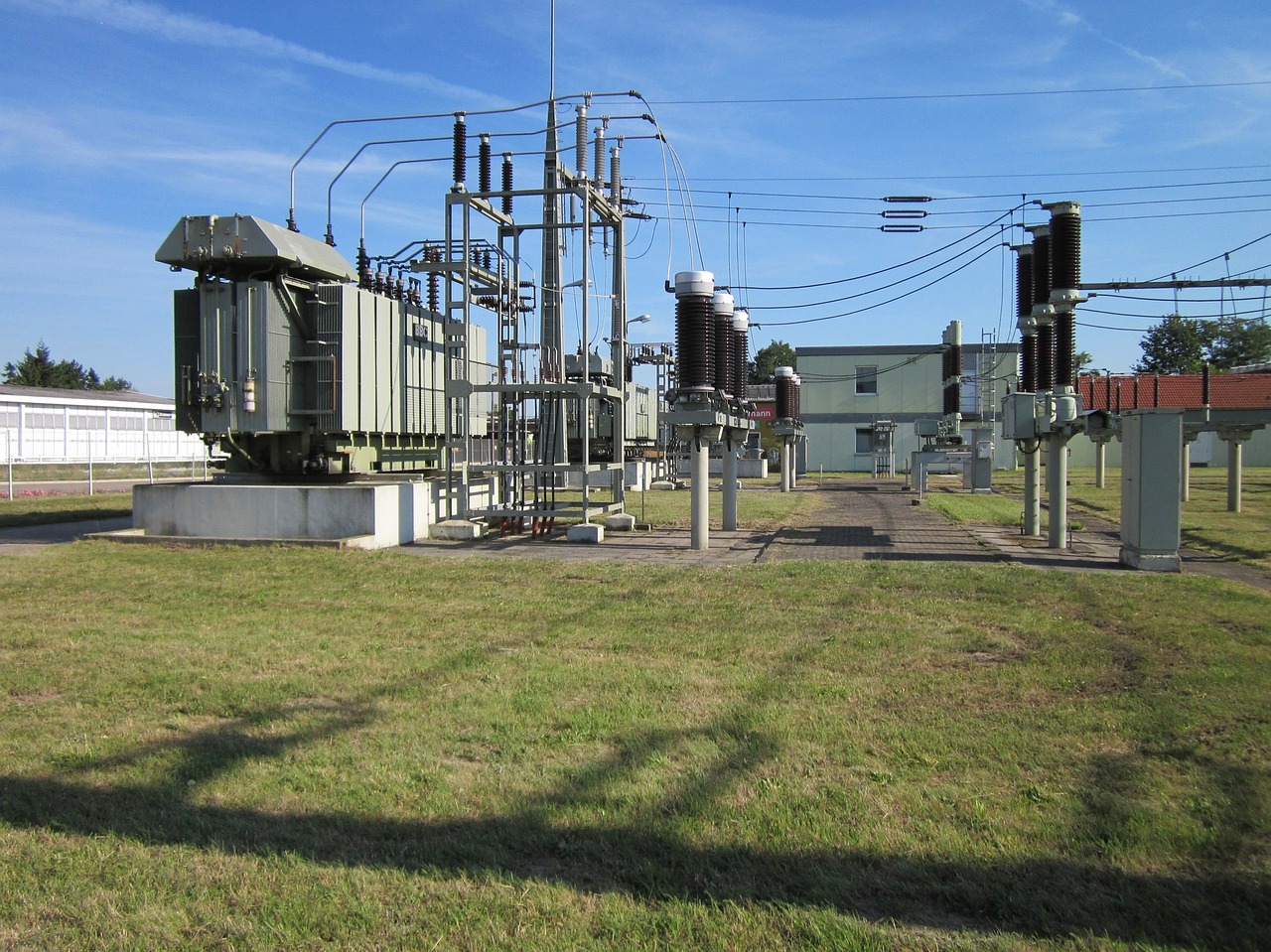
Transformers serve as the backbone of primary substations by enabling voltage transformation. Their primary function involves stepping down high-voltage electricity from transmission lines to levels suitable for distribution networks. This process ensures that electricity can be safely delivered to homes, businesses, and industries. By efficiently converting voltage levels, transformers minimize energy losses and maintain the stability of the power system. Their role is indispensable in answering what does a primary substation do to facilitate reliable energy delivery.
Types of transformers used in primary substations
Primary substations utilize various types of transformers, each designed for specific applications. Power transformers handle high-voltage transmission and are built for efficiency and durability. Distribution transformers, on the other hand, operate at lower voltages and are optimized for local electricity distribution. Auto-transformers, known for their compact design, are often used in situations requiring minimal voltage adjustments. These transformers collectively ensure that electrical substations meet the diverse needs of modern power systems.
Circuit Breakers
Role in protecting the power system
Circuit breakers play a critical role in safeguarding primary substations from electrical faults. They monitor the flow of electricity and interrupt circuits when abnormal conditions arise. Their functions include:
-
Overcurrent protection to prevent overheating.
-
Short circuit protection to avoid equipment damage.
-
Isolation of faults to enable repairs without disrupting the entire system.
-
Switching operations for safe maintenance.
-
Load shedding during emergencies to maintain grid stability.
-
Transformer protection by disconnecting faulty units.
-
Coordination with other protective devices to minimize system impact.
-
Remote control and automation for enhanced efficiency.
-
Load switching to manage network maintenance.
-
Ground fault protection to ensure safety.
These capabilities highlight the importance of circuit breakers in maintaining the reliability of electricity substations.
How they isolate faults
Circuit breakers isolate faults by detecting irregularities in the electrical current and immediately disconnecting the affected section. This rapid response prevents cascading failures and protects the integrity of the substation. By isolating only the faulty components, circuit breakers allow the rest of the system to continue operating, ensuring uninterrupted power delivery.
Switchgear
Function in controlling and isolating electrical equipment
Switchgear is essential for controlling and isolating electrical equipment within primary substations. It enables operators to manage the flow of electricity and perform maintenance without disrupting the entire system. By efficiently directing power, switchgear ensures that electricity reaches its intended destination safely and reliably. Its ability to isolate specific sections of the network enhances operational flexibility and reduces downtime.
Ensuring safe operation of the substation
Switchgear contributes significantly to the safe operation of primary substations. It provides a reliable power supply by efficiently distributing electricity and protecting circuits from faults. It prevents cascading failures by isolating localized issues and adheres to strict safety standards to protect both personnel and equipment. Additionally, switchgear maintains system reliability, minimizing costly outages and interruptions. These features make it a cornerstone of modern electrical substations.
To support these critical functions, ZOLIOV’s switchgear solutions combine advanced fault protection with intelligent monitoring, ensuring substation reliability while exceeding international safety standards—all designed for seamless integration into modern power networks.
Tip: The integration of advanced switchgear and circuit breakers enhances the efficiency and safety of primary substations, ensuring they meet the growing demands of modern power systems.
Contact Zoliov
Find more details about Power Distribution Solution
Other Essential Components
Busbars and their role in power distribution
Busbars serve as critical components in primary substations, ensuring efficient power distribution and system reliability. These metallic strips or bars channel electricity from the main source to various components within the substation. Their robust design allows them to handle high electrical loads while minimizing power losses during transmission. This efficiency makes them indispensable in modern electrical substations.
The following table outlines the key functions of busbars in primary substations:
|
Function |
Description |
|---|---|
|
Power distribution |
Channeling electricity from the main source to other system components. |
|
Equipment interconnection |
Connecting high-voltage electrical equipment together, forming a network. |
|
Reducing power losses |
Minimizing power losses during transmission, improving efficiency. |
|
Enhancing system reliability |
Withstanding high loads and operating stably, contributing to reliability. |
|
System protection |
Equipped with protection systems to safeguard against faults. |
Busbars also play a vital role in interconnecting high-voltage equipment, forming a cohesive network within the substation. This interconnection ensures seamless power flow and enhances the overall reliability of the system. By reducing energy losses and withstanding high loads, busbars contribute significantly to the efficiency and stability of the power grid. Their integration into primary substations underscores their importance in answering what does a primary substation do to ensure reliable energy delivery.
Monitoring and control systems for efficient operation
Monitoring and control systems are essential for maintaining the operational efficiency of primary substations. These systems enable operators to oversee power transmission conditions in real time, ensuring the substation functions reliably under varying load demands. Advanced technologies facilitate three types of inspections: manual, intelligent, and remote.
Manual inspections involve on-site evaluations of equipment and components. Although labor-intensive, they remain a fundamental part of routine maintenance. Intelligent inspections, on the other hand, leverage automated systems to perform repetitive tasks with high accuracy and efficiency. Remote inspections utilize cutting-edge monitoring technologies to provide real-time oversight of the substation’s performance. This capability allows operators to detect anomalies early and implement precautionary measures to prevent faults.
By integrating these systems, primary substations can optimize power flow, reduce downtime, and enhance overall reliability. Monitoring systems also support predictive maintenance, enabling operators to address potential issues before they escalate into major problems. This proactive approach ensures that electrical substations operate efficiently, meeting the growing demands of modern power systems.
Note: The combination of busbars and advanced monitoring systems highlights the sophistication of primary substations. These components work together to ensure efficient power distribution and reliable operation, reinforcing the substation’s role as a cornerstone of the electrical grid.
How Primary Substations Fit into the Electricity Network

Connection to Transmission Substations
Receiving high-voltage electricity from transmission lines
Primary substations receive electricity directly from high-voltage transmission lines. These lines carry electricity generated at power plants over long distances. The electricity arrives at extremely high voltages, often exceeding 100,000 volts, to minimize energy losses during transmission. Primary substations act as the first point of contact, stepping down these voltages to levels suitable for further distribution. This process ensures that the electricity can be safely and efficiently delivered to the next stage of the power system.
Role in bridging transmission and distribution systems
Primary substations serve as critical links between transmission systems and local distribution networks. They transform high-voltage transmission electricity into lower voltages that are compatible with distribution systems. This transformation ensures that electricity can flow seamlessly from power plants to end-users. By acting as intermediaries, primary substations maintain the stability and reliability of the grid, ensuring uninterrupted power delivery to homes, businesses, and industries.
Connection to Distribution Substations
Delivering electricity to local distribution networks
Primary substations channel electricity to local distribution substations, which then supply power to residential, commercial, and industrial areas. They manage the flow of electricity through advanced equipment like transformers and switchgear, ensuring efficient delivery. Substations also act as hubs for collecting power from generation plants and re-transmitting it across the network. This role highlights their importance in maintaining a reliable and consistent power supply.
Supporting regional power demands
Primary substations play a vital role in supporting regional power demands. They connect renewable energy facilities to the grid, transforming the generated power to match the transmission network’s voltage. This capability ensures a balanced supply and demand within the grid, even when renewable energy sources fluctuate. Their functions include:
-
Voltage transformation to ensure efficient transmission and distribution.
-
Switching and control to manage electricity flow and isolate faults.
By performing these tasks, primary substations help meet the growing energy needs of urban and rural areas while maintaining grid stability.
Integration with the Grid
Ensuring stability and reliability in the power system
Primary substations contribute significantly to the stability and reliability of the power system. They regulate voltage levels and manage the flow of electricity to prevent overloading. Advanced monitoring systems within these substations detect anomalies and enable operators to address issues promptly. This proactive approach minimizes disruptions and ensures a steady supply of electricity to all users.
Managing load balancing and fault isolation
Load balancing is another critical function of primary substations. They distribute electricity based on real-time demand, ensuring that no part of the grid becomes overloaded. In the event of a fault, primary substations isolate the affected section to prevent cascading failures. This capability protects the integrity of the grid and ensures that unaffected areas continue to receive power. By managing load balancing and fault isolation, primary substations enhance the overall efficiency and reliability of the electricity network.
Tip: The integration of primary substations into the grid ensures efficient power delivery and supports the growing adoption of renewable energy sources. Their ability to adapt to changing energy demands makes them indispensable in modern power systems.
The Importance of Primary Substations
Ensuring Reliable Power Delivery
Preventing power outages through fault management
Primary substations play a pivotal role in preventing power outages by managing faults effectively. They are equipped with advanced control systems that detect irregularities in real time, allowing operators to isolate faults before they escalate. This capability minimizes disruptions and ensures uninterrupted electricity delivery. Common causes of outages include severe weather, fallen trees, and wildlife interference. Other factors, such as car accidents, strong winds, and lightning strikes, also contribute to power interruptions. By addressing these challenges, primary substations enhance the resilience of the grid and maintain reliable service for consumers.
Supporting consistent voltage levels
Maintaining consistent voltage levels is another critical function of primary substations. Voltage fluctuations can damage electrical equipment and disrupt industrial processes. Substations stabilize voltage by using transformers and monitoring systems to regulate power flow. This ensures that electricity delivered to end-users meets the required standards, safeguarding appliances and supporting industrial operations. Consistent voltage levels also improve the overall efficiency of the power system, reducing energy losses and enhancing reliability.
Enhancing Efficiency in Power Systems
Reducing energy losses during transmission
Primary substations contribute to energy efficiency by reducing losses during transmission. High-voltage electricity from transmission systems is stepped down to lower voltages suitable for distribution. This process minimizes energy dissipation and ensures that more electricity reaches end-users. Advanced equipment, such as transformers and switchgear, further optimizes power flow, reducing waste and improving system performance. By enhancing efficiency, substations support sustainable energy use and lower operational costs.
Optimizing power flow to meet demand
Meeting fluctuating energy demands requires precise power flow management. Primary substations monitor electricity usage in real time and adjust distribution accordingly. During peak hours, they allocate power efficiently to prevent overloading and maintain grid stability. This dynamic management ensures that supply aligns with demand, reducing the risk of outages. By optimizing power flow, substations enhance the reliability and efficiency of the electricity network.
Supporting Renewable Energy Integration
Adapting to variable energy inputs
The integration of renewable energy sources, such as solar and wind, introduces variability into the grid. Primary substations address this challenge by regulating electricity flow and balancing supply with demand. They connect renewable energy facilities to the grid, transforming generated power to match transmission voltage. Advanced technologies enable real-time monitoring and control, ensuring grid stability despite fluctuating energy inputs. These capabilities make substations essential for supporting the transition to renewable energy.
Facilitating grid modernization efforts
Primary substations play a key role in modernizing the grid to accommodate renewable energy. They enhance grid resilience by providing backup capabilities and rerouting electricity during outages. Their ability to manage variable energy inputs supports the integration of diverse energy sources, creating a more flexible and sustainable power system. By facilitating grid modernization, substations contribute to a cleaner and more reliable energy future.
Note: The importance of primary substations extends beyond traditional power delivery. Their role in enhancing efficiency and supporting renewable energy integration underscores their value in modern energy systems.
Challenges and Future Developments in Primary Substations
Modernization and Smart Grid Integration
Upgrading equipment for digital monitoring
Modernizing primary substations involves upgrading equipment to incorporate digital monitoring systems. These systems enhance operational efficiency by providing real-time data on power flow, equipment health, and fault detection. Advanced sensors, for instance, improve substation reliability by identifying potential issues before they escalate. Intelligent systems, such as IoT sensors and advanced metering infrastructure, enable operators to monitor energy consumption and optimize grid performance. These upgrades ensure that substations remain adaptable to the evolving demands of modern power systems.
Role in supporting smart grid technologies
Primary substations play a pivotal role in supporting smart grid technologies. They integrate advanced distribution management systems to automate power distribution and improve grid stability. Artificial intelligence optimizes grid operations by predicting demand and managing energy flow efficiently. Additionally, substations facilitate renewable energy integration by balancing variable energy inputs and storing surplus power. The table below highlights key advancements in smart grid technologies and their impact on primary substations:
|
Advancement |
Impact on Primary Substations |
|---|---|
|
Advanced Sensors |
Improve substation efficiency and reliability. |
|
Renewable Energy Integration |
Enhance efficiency and reliability through energy storage. |
These advancements position primary substations as essential components in the transition to smarter, more resilient energy networks.
Addressing Aging Infrastructure
Challenges of maintaining older substations
Aging infrastructure presents significant challenges for primary substations. Many facilities in North America, for example, operate with components that are over 25 years old, with the average transformer age nearing 40 years. This aging equipment increases the risk of reliability issues, as evidenced by a tenfold rise in major outages from the 1980s to 2012. Deteriorating components can compromise efficiency and lead to costly repairs, making infrastructure upgrades a pressing priority.
Investments in new technologies
To address these challenges, utilities are investing in new technologies to modernize aging substations. Predictive analytics and machine learning are becoming standard tools for monitoring equipment health and preventing failures. Substation automation systems enhance efficiency by enabling remote control and real-time data analysis. These investments not only extend the operational life of substations but also improve their ability to meet growing energy demands.
Adapting to Growing Energy Demands
Expanding capacity to meet urbanization
Urbanization and industrial growth are driving the need for expanded substation capacity. Future substations will require intelligent systems capable of handling increased electricity loads and real-time data for monitoring and control. The deployment of substation automation is projected to grow significantly, with a compound annual growth rate (CAGR) of over 5% through 2031. This expansion ensures that substations can support the rising energy needs of urban areas while maintaining grid stability.
Supporting the transition to electric vehicles and renewable energy
The shift toward electric vehicles (EVs) and renewable energy sources places additional demands on primary substations. These facilities must integrate energy storage systems to manage surpluses and ensure a consistent power supply. Substations also connect renewable energy facilities, such as solar and wind farms, to the grid, transforming generated power to match transmission voltage. By managing variable energy inputs and balancing supply with demand, substations play a critical role in supporting the electrification of rail systems and other infrastructure. Both dc traction substations and ac traction substations are essential for powering rail systems efficiently, further emphasizing the importance of modernized substations in meeting future energy needs.
Tip: Investing in advanced technologies and expanding substation capacity will ensure that primary substations remain resilient and adaptable to the challenges of a rapidly evolving energy landscape.
Summary of Primary Substation Functions
Key Roles in the Power System
Voltage transformation and power distribution
Primary substations play a pivotal role in ensuring efficient power system operation. Strategically located alongside primary transmission lines, they step down high-voltage electricity to levels suitable for secondary transmission. This transformation minimizes energy losses and ensures compatibility with local distribution networks. By adapting electricity to meet the requirements of various industrial machinery and equipment, substations facilitate effective energy delivery across infrastructure. Their ability to manage voltage levels ensures that electricity is transmitted and distributed efficiently over long distances.
In addition to voltage transformation, primary substations manage the flow of electricity to ensure safe and reliable power distribution. They act as hubs where electricity is transformed, switched, and controlled. This function is critical for maintaining the stability of the grid and meeting the energy demands of homes, businesses, and industries.
Connection between transmission and distribution networks
Primary substations serve as essential links between transmission systems and distribution networks. They bridge the gap by stepping down high-voltage electricity from transmission lines to levels suitable for local distribution. This connection ensures that electricity flows seamlessly from power plants to end-users. Substations also facilitate the integration of renewable energy sources by transforming generated power to match the voltage requirements of the grid. Their role in connecting different voltage levels highlights their importance in maintaining an efficient and reliable power system.
Contribution to Grid Stability
Managing power flow and fault isolation
Primary substations contribute significantly to grid stability by managing power flow and isolating faults. They contain switches and breakers that allow operators to control electricity flow, isolate faults, and reroute power during maintenance. In the event of outages or equipment failures, substations can reroute electricity to minimize disruptions. These capabilities ensure that unaffected areas continue to receive power, enhancing the overall reliability of the grid.
-
Substations act as hubs where electricity is transformed, switched, and controlled.
-
They connect different voltage levels to facilitate efficient transmission and distribution.
-
Switches and breakers within substations enable operators to isolate faults and reroute power.
-
During outages, substations minimize disruptions by isolating affected areas and maintaining service continuity.
Supporting efficient and reliable electricity delivery
Primary substations ensure efficient and reliable electricity delivery by optimizing power flow and maintaining consistent voltage levels. Advanced monitoring systems within these substations track real-time power usage, enabling operators to adjust distribution based on demand. This dynamic management prevents overloading and reduces the risk of outages. By stabilizing voltage levels, substations protect electrical equipment and improve the overall efficiency of the power system. Their ability to adapt to changing energy demands makes them indispensable in modern power systems.
The traction power substation, a specialized type of substation, exemplifies these functions by efficiently managing electricity for rail systems and other infrastructure. Its role in balancing supply and demand underscores the importance of substations in supporting reliable energy delivery.
Tip: The integration of advanced technologies in primary substations enhances their ability to manage power flow and isolate faults, ensuring a stable and efficient electricity network.
Primary substations serve as indispensable components in modern power systems. Their ability to transform voltage levels ensures efficient electricity transmission and distribution, reducing energy losses over long distances. By adapting electricity for diverse industrial applications, they facilitate safe and reliable power delivery. These substations also play a pivotal role in grid modernization, integrating renewable energy sources and supporting the transition to sustainable energy systems. Their critical functions underscore their importance in maintaining grid stability and meeting the growing energy demands of contemporary society.
FAQ
What is the primary function of a primary substation?
A primary substation steps down high-voltage electricity from transmission lines to lower voltages suitable for distribution. It ensures efficient power delivery to homes, businesses, and industries while maintaining grid stability.
How does a primary substation contribute to grid reliability?
Primary substations regulate voltage levels, manage power flow, and isolate faults. These functions prevent outages, stabilize the grid, and ensure uninterrupted electricity delivery to end-users.
What equipment is essential in a primary substation?
Key equipment includes transformers for voltage transformation, circuit breakers for fault protection, switchgear for controlling power flow, and busbars for efficient electricity distribution. Monitoring systems enhance operational efficiency.
How do primary substations support renewable energy integration?
Primary substations connect renewable energy sources to the grid. They regulate variable energy inputs, balance supply and demand, and transform generated power to match grid voltage requirements.
Why is voltage transformation important in power systems?
Voltage transformation minimizes energy losses during transmission and ensures compatibility with distribution networks. It protects electrical equipment and supports efficient electricity delivery to end-users.
What role do circuit breakers play in primary substations?
Circuit breakers protect the power system by detecting faults and disconnecting affected sections. This rapid isolation prevents cascading failures and ensures the rest of the grid remains operational.
How do primary substations adapt to growing energy demands?
Primary substations expand capacity, integrate advanced technologies, and optimize power flow. These measures support urbanization, renewable energy adoption, and the increasing use of electric vehicles.
What challenges do aging primary substations face?
Aging substations often experience reliability issues due to outdated equipment. Modernization efforts, including predictive analytics and automation, address these challenges and improve efficiency.
Tip: Regular maintenance and modernization ensure primary substations remain reliable and adaptable to evolving energy needs.