


A secondary substation plays a vital role in the electricity distribution network by stepping down high-voltage power to levels suitable for residential, commercial, and industrial use. These substations ensure efficient energy delivery while maintaining safety and reliability. Their integration into modern energy grids enhances operational efficiency and supports the adoption of renewable energy sources.
Zoliov’s Secondary Substation exemplifies innovation in this field. This compact and durable solution combines transformers and switchgear into a single unit, offering a space-saving design ideal for diverse applications. Its robust construction ensures reliable power distribution, even in challenging environments.
Key Takeaways
-
Secondary substations lower high-voltage electricity to safe levels for use.
-
They help connect renewable energy sources to the power grid.
-
Their small size makes them perfect for crowded city areas.
-
Safety features protect workers and equipment from electrical problems.
-
Monitoring systems check performance and reduce power outages.
-
Maintenance predicts problems early, saving money and preventing damage.
-
They provide steady electricity to both cities and countryside areas.
-
New technology makes power distribution more efficient and eco-friendly.
Understanding Secondary Substations
Definition and Purpose
A secondary substation is a critical component of the power distribution network. It transforms high-voltage electricity from primary substations into lower voltages suitable for direct use by consumers. This process ensures that electricity can be safely and efficiently delivered to homes, businesses, and industries. Secondary substations play a vital role in maintaining the reliability of energy supply while supporting the functionality of secondary distribution networks.
These substations are designed to manage voltage levels effectively. By stepping down the voltage, they make it possible to transmit electricity over long distances without significant energy loss. This capability is essential for ensuring that power distribution remains efficient and safe. Secondary systems also facilitate the integration of renewable energy sources, such as solar and wind power, into the grid. This integration helps balance energy supply and demand, especially during peak usage periods.
A secondary substation transforms high-voltage electricity from primary substations to lower voltages suitable for direct use by consumers, ensuring reliable power distribution to organisations and households.
Key Differences Between Primary and Secondary Substations
Primary and secondary substations serve distinct purposes within the electrical grid. Primary substations handle the initial step-down of extremely high voltages generated at power plants. These substations reduce the voltage to levels suitable for regional transmission. In contrast, secondary substations further reduce the voltage to levels appropriate for end-user consumption.
Another key difference lies in their location and size. Primary substations are typically larger and located near power generation facilities or major transmission lines. Secondary substations, on the other hand, are smaller and often situated closer to residential, commercial, or industrial areas. This proximity ensures efficient energy delivery to consumers.
Additionally, secondary substations are more compact and versatile. They often integrate distributed energy resources, such as solar panels, into the grid. This capability makes them an essential part of modern energy systems, particularly in urban and space-constrained environments.
Role in the Power Distribution Network
Secondary substations act as a bridge between primary substations and end-users. They ensure that electricity is delivered at the correct voltage and with minimal energy loss. This role is crucial for maintaining the stability and efficiency of secondary distribution networks.
These substations also support the integration of renewable energy sources. Compact secondary systems enable the storage of excess energy generated by renewables. This stored energy can then be used during periods of high demand, ensuring a balanced and reliable power supply.
Secondary substations contribute significantly to the modernisation of power grids. Their ability to adapt to new technologies, such as smart grids, enhances the overall efficiency of energy distribution. By ensuring that electricity reaches consumers safely and reliably, they form the backbone of secondary distribution systems.
Supporting this modernization, Zoliov’s secondary substations integrate smart-ready designs with robust protection systems, ensuring reliable power distribution while enabling seamless upgrades for future grid technologies.
Components of a Secondary Substation

Transformers
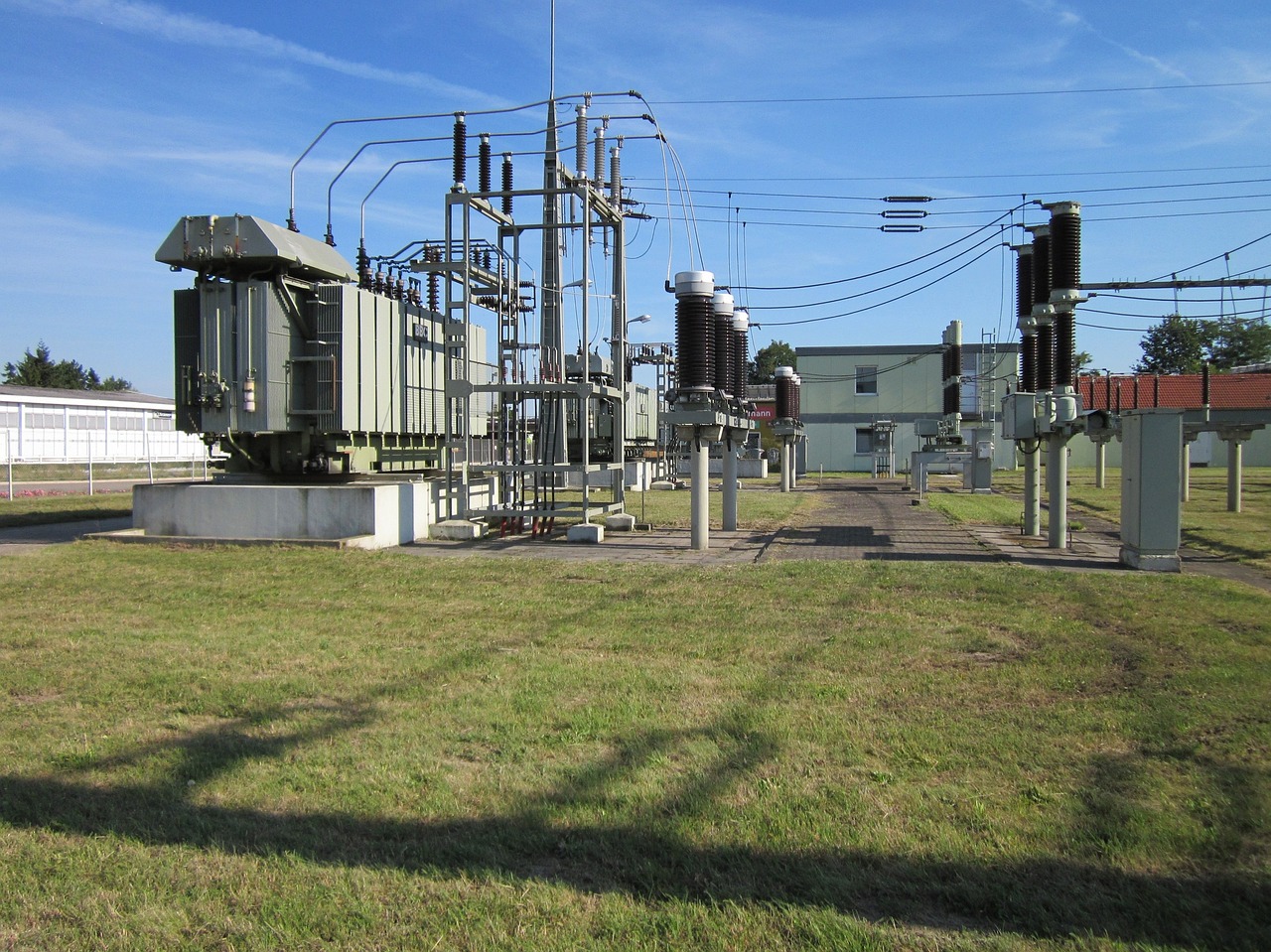
Transformers are the backbone of any secondary substation. They adjust voltage levels to ensure safe and efficient electricity distribution. These devices step down the high voltage received from primary substations to levels suitable for residential, commercial, and industrial use. This process minimises energy loss and ensures reliable power delivery.
A typical transformer setup in a secondary substation includes several key components:
-
A high-voltage room equipped with load switches, fuses, and arresters.
-
A transformer room housing multiple transformers, often with capacities up to 630 kV.
-
A low-voltage room containing distribution screens for managing electricity flow.
-
Cooling channels that use cold air from foundation vents to regulate temperature.
-
Shutters and steel plates designed for heat dissipation and to prevent dust or animal entry.
These components work together to maintain the transformer’s efficiency and durability. Advanced transformer technology also incorporates current transformers and voltage regulators, which ensure safe operation within the network. By integrating these features, secondary substations can meet the growing demands of modern energy systems.
Switchgear and Circuit Breakers
Switchgear and circuit breakers play a critical role in protecting and controlling the electrical network within a secondary substation. Switchgear isolates electrical equipment during maintenance or faults, while circuit breakers interrupt electricity flow to prevent damage during power surges or short circuits.
Modern advancements in switchgear technology have significantly improved the efficiency and safety of secondary substations. Key benefits include enhanced monitoring and control, extended equipment lifespan, and improved energy efficiency. These upgrades address challenges such as ageing infrastructure and increased load demands. Modular systems and smart grid integration further enhance the adaptability of switchgear, making it a vital component of sustainable energy distribution.
By incorporating these innovations, secondary substations can ensure reliable power delivery while meeting stringent safety standards. This modernisation also supports the transition to smarter and more resilient energy grids.
Control and Monitoring Systems
Control and monitoring systems optimise the performance of secondary substations by enabling real-time oversight of operations. These systems allow operators to detect anomalies, adjust settings, and maintain stability within the power grid. Predictive maintenance features help forecast potential issues, reducing downtime and minimising repair costs.
Integration with renewable energy sources is another advantage of advanced control systems. These systems manage diverse power inputs, ensuring a balanced and stable electricity supply. Improved grid resilience further enhances the reliability of secondary substations, especially during disturbances or peak demand periods.
By leveraging these technologies, secondary substations can achieve greater efficiency and adaptability. This capability ensures that they remain a cornerstone of modern energy distribution networks.
Auxiliary Equipment
Auxiliary equipment in secondary substations supports the primary components, ensuring smooth and efficient operation. These devices play a crucial role in maintaining system reliability, enhancing safety, and optimising performance. Without these supporting elements, the substation’s functionality would be compromised.
Key Types of Auxiliary Equipment
-
Cooling Systems
Cooling systems regulate the temperature of transformers and other electrical components. Excessive heat can damage equipment and reduce efficiency. Fans, radiators, and oil pumps are commonly used to dissipate heat. Advanced cooling technologies, such as forced air or oil circulation, improve thermal management in modern substations. -
Battery Systems
Battery systems provide backup power during outages or emergencies. These systems ensure uninterrupted operation of critical components, such as control panels and monitoring devices. Lead-acid and lithium-ion batteries are popular choices due to their reliability and long lifespan. -
Lighting and Ventilation
Proper lighting and ventilation enhance the safety and functionality of substations. Adequate lighting allows technicians to perform maintenance tasks efficiently. Ventilation systems prevent the accumulation of heat and harmful gases, ensuring a safe working environment. -
Earthing Systems
Earthing systems protect equipment and personnel from electrical faults. These systems direct excess current safely into the ground, reducing the risk of damage or injury. Copper rods and earthing mats are commonly used materials in these setups. -
Fire Protection Systems
Fire protection systems safeguard substations from potential hazards. These include fire extinguishers, smoke detectors, and automatic sprinkler systems. Early detection and suppression of fires minimise damage and ensure the safety of nearby areas.
Note: Auxiliary equipment enhances the efficiency and safety of secondary substations, making them indispensable for modern energy distribution.
Importance of Auxiliary Equipment
Auxiliary equipment ensures the seamless operation of secondary substations. It supports the primary components by managing heat, providing backup power, and enhancing safety measures. These systems also extend the lifespan of critical equipment, reducing maintenance costs and downtime. By integrating advanced auxiliary technologies, substations can meet the growing demands of modern energy grids.
How Secondary Substations Work

Connection to the Power Grid
Secondary substations connect to the power grid to facilitate efficient energy distribution. These substations act as integration points for distributed energy resources, such as solar energy. Their compact design allows them to connect to the grid without requiring extensive infrastructure changes. This feature enhances the utilisation of renewable energy sources, making them a vital component of modern energy systems.
Utility providers benefit significantly from this capability. By incorporating secondary substations, they can optimise the flow of electricity across the grid. This ensures that energy generated from renewable sources is effectively distributed to meet consumer demand. The adaptability of these substations also supports the transition to smarter and more sustainable power networks.
Voltage Step-Down Process
The voltage step-down process is a fundamental function of secondary substations. These substations are strategically located closer to end-users within the distribution network. Their primary role is to reduce high transmission voltages to lower levels suitable for residential, commercial, and industrial use.
Transformers play a critical role in this process. They convert high-voltage electrical energy into lower voltage while simultaneously increasing the current. This ensures that electricity can be safely and efficiently delivered to consumers. The step-down process minimises energy loss during transmission, maintaining the reliability and stability of the distribution network.
Distribution to End Consumers
Once the voltage has been stepped down, secondary substations distribute electricity to end consumers. This distribution process ensures that power reaches homes, businesses, and industries at the appropriate voltage levels. The proximity of these substations to consumers reduces transmission distances, further improving efficiency.
Secondary substations also support the integration of renewable energy into the distribution network. By managing diverse energy inputs, they ensure a balanced and stable electricity supply. This capability is particularly important during peak demand periods, where maintaining grid stability is crucial. The advanced technology within these substations enables precise control over energy flow, ensuring reliable power delivery to all users.
Safety and Protection Mechanisms
Safety and protection mechanisms form the backbone of secondary substations. These systems safeguard equipment, personnel, and the surrounding environment from electrical faults and hazards. By ensuring operational safety, they enhance the reliability and efficiency of power distribution networks.
Importance of Safety Mechanisms
Electrical faults, such as short circuits or overloads, can cause severe damage to equipment and pose risks to human life. Secondary substations incorporate advanced safety features to mitigate these risks. These mechanisms prevent accidents, reduce downtime, and protect the integrity of the power grid.
Tip: Regular maintenance of safety systems ensures their effectiveness and prolongs the lifespan of substation equipment.
Key Protection Mechanisms
-
Circuit Protection Devices
Circuit breakers and fuses play a critical role in isolating faulty sections of the network. Circuit breakers interrupt the flow of electricity during faults, while fuses melt to break the circuit when current exceeds safe levels. These devices minimise damage and prevent cascading failures. -
Surge Protection Systems
Lightning strikes and power surges can damage sensitive equipment. Surge arresters and suppressors divert excess voltage to the ground, protecting transformers and other components. These systems ensure uninterrupted operation during adverse weather conditions. -
Earthing Systems
Earthing systems provide a safe path for fault currents to flow into the ground. This reduces the risk of electric shocks and equipment damage. Copper rods and earthing mats are commonly used materials in these systems. -
Fire Protection Measures
Fire hazards in substations can result from overheating or electrical faults. Fire extinguishers, smoke detectors, and automatic sprinkler systems are essential for early detection and suppression. These measures minimise damage and ensure the safety of personnel.
Advanced Safety Features
Modern secondary substations integrate digital technologies to enhance safety. Remote monitoring systems detect anomalies in real time, allowing operators to take corrective action promptly. Predictive maintenance tools identify potential issues before they escalate, reducing the likelihood of failures.
|
Safety Mechanism |
Function |
Example |
|---|---|---|
|
Circuit Protection Devices |
Isolate faulty sections of the network |
Circuit breakers, fuses |
|
Surge Protection Systems |
Divert excess voltage to prevent equipment damage |
Surge arresters, suppressors |
|
Earthing Systems |
Provide a safe path for fault currents |
Copper rods, earthing mats |
|
Fire Protection Measures |
Detect and suppress fires |
Smoke detectors, sprinklers |
Note: Advanced safety features, such as remote monitoring, improve the reliability of secondary substations and reduce operational risks.
Applications of Secondary Substations
Integration of Renewable Energy Sources
Secondary substations play a pivotal role in integrating renewable energy sources into the power grid. Their compact design allows for rapid connection of renewable energy systems, such as solar panels and wind turbines, without requiring extensive infrastructure changes. These substations manage the variable outputs from renewable sources, ensuring a balanced supply and demand across the grid.
Energy storage systems, such as batteries, are often integrated into secondary substations. This feature enables the storage of excess energy generated during low-demand periods. Stored energy can then be utilised during peak demand, reducing strain on the grid and enhancing overall efficiency. Digital capabilities within these substations further optimise energy management, allowing operators to monitor and control renewable inputs effectively.
By facilitating the seamless integration of renewable energy, secondary substations contribute to a greener energy future. They reduce reliance on fossil fuels and help lower carbon emissions, aligning with global sustainability goals.
Role in Smart Grids and Digital Substations
Secondary substations are essential components of smart grids, which aim to modernise energy distribution systems. Automation and optimisation within these substations improve efficiency, reducing operational costs and minimising energy losses. Predictive maintenance features enhance reliability by identifying potential issues before they escalate, ensuring consistent power supply.
Remote monitoring capabilities improve safety by reducing the need for on-site personnel. This feature allows operators to oversee substation performance from a centralised location, enabling quicker responses to anomalies. The adaptability of secondary substations ensures they can integrate new technologies, such as advanced sensors and IoT devices, making them future-ready.
These substations also support sustainability by optimising energy use and reducing carbon emissions. Their ability to manage distributed energy resources, including renewable sources and energy storage systems, makes them indispensable for achieving a more resilient and environmentally friendly energy grid.
Industrial and Commercial Use Cases
Industries and commercial establishments rely heavily on secondary substations for efficient and reliable energy distribution. These substations ensure that electricity reaches facilities at the appropriate voltage levels, supporting the operation of machinery, lighting, and other essential systems. Their proximity to industrial and commercial areas minimises transmission losses, enhancing overall efficiency.
Secondary substations also enable the integration of renewable energy sources into industrial and commercial settings. For instance, factories with solar panels can connect their systems to the grid through these substations, ensuring efficient energy use. The modular and compact design of modern substations makes them suitable for space-constrained environments, such as urban commercial centres.
By providing a stable and adaptable energy supply, secondary substations support the growth and sustainability of industrial and commercial operations. Their advanced features, such as digital monitoring and energy storage integration, further enhance their utility in these sectors.
Urban and Rural Electrification
Secondary substations play a pivotal role in electrifying both urban and rural areas. Their ability to step down high-voltage electricity and distribute it efficiently ensures reliable power supply across diverse environments. These substations address the unique challenges of urban density and rural remoteness, making them indispensable for modern energy distribution.
Urban Electrification
Urban areas demand a robust and efficient power distribution system. Secondary substations meet this need by ensuring electricity reaches residential, commercial, and industrial zones at appropriate voltage levels. Their compact design makes them ideal for space-constrained environments, such as city centres and densely populated neighbourhoods.
Key benefits of secondary substations in urban electrification include:
-
Space Efficiency: Compact units like Zoliov’s Secondary Substation minimise the installation footprint.
-
Reliability: Advanced technologies ensure uninterrupted power supply, even during peak demand.
-
Integration of Renewable Energy: These substations support solar panels and other renewable sources, promoting sustainable urban development.
Tip: Urban planners can optimise energy distribution by strategically placing secondary substations near high-demand areas.
Rural Electrification
Rural areas often face challenges such as limited infrastructure and long transmission distances. Secondary substations overcome these obstacles by stepping down high-voltage electricity closer to end-users. This reduces energy loss and ensures a stable power supply, even in remote locations.
Advantages of secondary substations in rural electrification include:
-
Accessibility: Modular designs enable quick deployment in remote areas.
-
Durability: Robust construction withstands harsh environmental conditions, ensuring long-term reliability.
-
Support for Economic Growth: Reliable electricity fosters the development of schools, healthcare facilities, and small businesses.
|
Feature |
Urban Electrification |
Rural Electrification |
|---|---|---|
|
Primary Challenge |
Space constraints |
Limited infrastructure |
|
Key Benefit |
Compact design |
Durability and accessibility |
|
Renewable Integration |
Solar panels, wind turbines |
Small-scale renewable systems |
Note: Secondary substations bridge the gap between urban and rural electrification, ensuring equitable access to electricity.
By addressing the specific needs of urban and rural areas, secondary substations contribute to a more connected and sustainable energy network. Their adaptability and efficiency make them a cornerstone of modern electrification efforts.
Advancements in Secondary Substations
Digital Substation Technology
Digital substation technology represents a significant leap forward in modern energy distribution. These systems replace traditional analogue components with digital secondary systems, enhancing efficiency and reliability. Real-time monitoring and control allow operators to oversee equipment performance continuously. Sensors collect data, enabling immediate detection of anomalies and ensuring stable operations.
Predictive maintenance is another key feature. By utilising artificial intelligence, digital substations forecast maintenance needs, preventing unexpected failures. This approach reduces downtime and minimises repair costs. Automation and intelligent algorithms further improve grid resilience, ensuring a consistent power supply even during peak demand.
Integration with renewable energy sources is seamless in digital substations. These systems efficiently manage power from solar and wind, balancing supply and demand. Enhanced cybersecurity measures protect the grid from digital threats, safeguarding critical infrastructure. Advanced telecommunications networks, such as SD-WAN and cellular connectivity, improve management and performance. These features make digital substation technology indispensable for modern energy systems.
IoT and Automation Integration
The integration of IoT and automation transforms the operation of secondary substations. Sensors and intelligent devices monitor equipment in real time, enabling prompt detection of faults. This capability ensures that issues are addressed before they escalate, maintaining the reliability of the power grid.
Data analysis from IoT devices supports predictive maintenance. By identifying potential problems early, operators can schedule repairs proactively. This approach reduces operational costs and prevents costly downtime. Automation enhances grid resilience by adapting to changing conditions, ensuring a stable electricity supply.
IoT integration also supports renewable energy management. Secondary substations equipped with IoT technology efficiently handle variable outputs from solar and wind sources. Enhanced cybersecurity measures, such as Next-Generation Firewalls, protect against digital threats. Flexible connectivity options, including LTE and 5G, improve service availability, making IoT integration a cornerstone of modern substation operations.
Enhancing Energy Efficiency
Advancements in secondary substations significantly enhance energy efficiency. Digital secondary systems optimise energy distribution by reducing losses during transmission. These systems ensure that electricity reaches consumers with minimal waste, improving overall grid performance.
Automation plays a crucial role in energy efficiency. Intelligent algorithms adjust energy flow based on demand, preventing overloading and reducing energy waste. Predictive maintenance further contributes by ensuring that equipment operates at peak efficiency. This approach extends the lifespan of critical components, reducing the need for replacements.
Integration with renewable energy sources also boosts efficiency. Secondary substations store excess energy generated during low-demand periods, making it available during peak times. This capability reduces reliance on fossil fuels and supports sustainable energy practices. By adopting these advancements, secondary substations contribute to a greener and more efficient energy future.
Innovations in Compact and Modular Designs
Innovations in compact and modular designs have transformed the functionality and efficiency of secondary substations. These advancements address the growing demand for space-saving solutions while maintaining high performance and reliability. Modern designs prioritise sustainability, adaptability, and operational efficiency, making them essential for contemporary energy distribution systems.
Recent developments in compact secondary substations include the use of improved insulation materials. These materials enhance safety by reducing the risk of electrical faults and improving thermal performance. Advanced cooling technologies have also been introduced, ensuring that equipment operates within optimal temperature ranges. These cooling systems prevent overheating, which extends the lifespan of critical components and reduces maintenance requirements.
The integration of smart grid capabilities represents another significant innovation. Compact secondary substations now incorporate intelligent systems that monitor and optimise energy distribution in real time. These systems improve operational efficiency by detecting and addressing issues before they escalate. They also enable seamless integration with renewable energy sources, ensuring a balanced and sustainable power supply.
A key focus of modern designs is the creation of sustainable modular systems. These systems reduce the number of components required, simplifying installation and maintenance processes. Durable and non-hazardous materials are used to enhance environmental safety and ensure long-term reliability. Additionally, modular designs allow for easy adaptation to various contexts, whether in urban centres or remote rural areas.
Compact secondary substations also benefit from their reduced footprint. By consolidating essential components into a single unit, these substations minimise space requirements without compromising performance. This feature makes them ideal for space-constrained environments, such as densely populated cities or industrial zones. Their versatility ensures they can meet the unique demands of different applications, from residential areas to large-scale industrial facilities.
Tip: Compact and modular designs not only save space but also improve energy efficiency, making them a cornerstone of modern power distribution networks.
These innovations highlight the ongoing evolution of secondary substations. By combining advanced materials, smart technologies, and sustainable practices, compact and modular designs address the challenges of modern energy systems. They ensure reliable power distribution while supporting the transition to greener and more efficient energy grids.
Secondary Substations: A Modern Solution
Features and Benefits
Secondary substations offer a range of features that make them indispensable in modern energy distribution. Their compact and modular designs allow for seamless integration into various environments, including urban and rural areas. These substations enhance operational efficiency by incorporating advanced technologies such as automation and real-time monitoring. Intelligent systems optimise energy flow, ensuring minimal losses during transmission and distribution.
One of the most significant benefits of secondary substations is their adaptability. They integrate renewable energy sources like solar and wind into the grid, balancing supply and demand effectively. Energy storage capabilities further enhance their utility, allowing excess energy to be stored and used during peak demand periods. This feature supports sustainability goals by reducing reliance on non-renewable energy sources.
Safety is another critical feature. Advanced protection mechanisms, including surge arresters and circuit breakers, safeguard equipment and personnel from electrical faults. Predictive maintenance systems identify potential issues before they escalate, reducing downtime and maintenance costs. These features ensure that secondary substations remain reliable and efficient, even under challenging conditions.
Applications in Space-Constrained Environments
Secondary substations excel in space-constrained environments, where land availability and cost are significant challenges. Their compact design minimises the installation footprint, making them ideal for urban centres and densely populated areas. These substations enhance efficiency through automation and optimisation, improving reliability with predictive maintenance and reducing the need for on-site personnel.
Key advantages of secondary substations in such environments include:
-
Rapid integration of renewable energy sources into the grid.
-
Effective management of variable outputs from solar and wind power.
-
Efficient storage of excess energy for use during peak demand periods.
These substations also promote sustainability by optimising energy use and reducing carbon emissions. Their adaptability ensures they can incorporate new technologies, such as IoT devices and smart grid systems, to meet the evolving demands of modern energy networks.
Tip: Compact secondary substations are particularly beneficial in urban areas, where space constraints often limit infrastructure development.
Durability and Maintenance Advantages
Durability is a hallmark of secondary substations. Built to withstand harsh environmental conditions, these substations ensure reliable operation in diverse climates. Real-time monitoring and control systems continuously assess equipment conditions, enabling timely detection of issues. This proactive approach prevents costly downtimes and extends the lifespan of critical components.
Predictive maintenance further enhances durability. By analysing data from sensors and intelligent devices, operators can foresee potential failures and address them before they occur. Automation and intelligent algorithms improve grid resilience, allowing substations to adapt quickly to changing conditions. These features maintain a stable power supply and reduce operational costs.
Urban areas present unique challenges for maintaining secondary substations. Limited space and high land costs complicate installation and deployment. However, compact and modular designs simplify these processes, making secondary substations a practical solution for urban electrification. Their robust construction and advanced technologies ensure long-term reliability, even in demanding environments.
Role in Modern Energy Distribution
Secondary substations play a pivotal role in modern energy distribution systems by ensuring efficient and reliable electricity delivery. Their advanced features and adaptability make them indispensable for meeting the growing demands of contemporary power networks.
One of their key contributions lies in real-time monitoring and control. These systems continuously oversee equipment performance, enabling operators to detect and address issues promptly. This capability enhances operational efficiency and minimises disruptions. Predictive maintenance further supports this by using artificial intelligence to forecast potential problems. By addressing these issues early, substations reduce downtime and extend the lifespan of critical components.
Automation within secondary substations improves grid resilience and reliability. Automated systems quickly adapt to changes in the grid, such as fluctuations in demand or unexpected faults. This ensures a consistent power supply, even during peak usage periods. The integration of renewable energy sources, such as solar and wind, is another significant advantage. Secondary substations manage the variable outputs of these sources, balancing supply and demand effectively.
Enhanced cybersecurity measures protect modern substations from digital threats. These systems safeguard critical infrastructure, ensuring uninterrupted operation. Automation also reduces operational costs by optimising energy flow and minimising losses during transmission. This efficiency supports sustainability goals by reducing carbon emissions and reliance on non-renewable energy sources.
Safety remains a top priority in secondary substations. Remote monitoring reduces the need for on-site personnel, lowering the risk of accidents. Advanced protection mechanisms, such as surge arresters and circuit breakers, further enhance safety by preventing equipment damage during faults.
Adaptability ensures that secondary substations remain relevant in evolving energy landscapes. Their ability to integrate new technologies, such as IoT devices and smart grid systems, keeps them at the forefront of innovation. This adaptability supports the transition to more sustainable and efficient energy networks.
Secondary substations play a crucial role in modern energy systems by transforming high-voltage electricity into levels suitable for end-users. Their ability to distribute power reliably ensures grid stability. Real-time monitoring and predictive maintenance enhance operational efficiency, while automation swiftly adapts to grid fluctuations. Future advancements, such as increased efficiency and sustainability, promise even greater contributions to energy distribution. Zoliov’s Secondary Substation exemplifies innovation with its compact design, durability, and seamless integration of renewable energy sources, making it a leading solution for diverse applications.
Contact Zoliov
Find more details about Secondary Substation
FAQ
What is the primary function of a secondary substation?
A secondary substation steps down high-voltage electricity to lower levels suitable for residential, commercial, and industrial use. This process ensures safe and efficient power distribution to end consumers.
How does a secondary substation differ from a primary substation?
A primary substation reduces extremely high voltages for regional transmission. A secondary substation further steps down the voltage for local distribution, ensuring electricity reaches consumers at usable levels.
Why are secondary substations important in renewable energy integration?
Secondary substations manage variable outputs from renewable sources like solar and wind. They balance supply and demand, store excess energy, and ensure a stable electricity supply during peak demand periods.
What makes compact secondary substations suitable for urban areas?
Compact secondary substations save space with their small footprint. Their modular design allows easy installation in densely populated areas, making them ideal for urban environments with limited land availability.
How do secondary substations enhance grid safety?
Secondary substations use advanced safety mechanisms, including circuit breakers, surge arresters, and fire protection systems. These features protect equipment, personnel, and the surrounding environment from electrical faults and hazards.
Can secondary substations operate in harsh environments?
Yes, secondary substations are built with durable materials to withstand extreme weather conditions. Their robust construction ensures reliable operation in diverse climates, including remote and challenging locations.
What role does automation play in secondary substations?
Automation improves efficiency by monitoring and controlling energy flow in real time. It enables predictive maintenance, reduces downtime, and ensures a stable power supply by adapting to grid fluctuations.
Are secondary substations suitable for rural electrification?
Secondary substations are ideal for rural areas. Their modular design allows quick deployment, while their durability ensures reliable operation in remote locations. They provide stable electricity, supporting economic growth and community development.