


Switchgear plays a critical role in managing electrical systems, ensuring safety and efficiency. You can install switchgear indoors or outdoors, depending on factors like environmental conditions, safety requirements, and available space. Indoor installations often use gas-insulated designs, offering better protection and durability in controlled environments. Outdoor installations, on the other hand, are built to withstand harsh elements like rain, dust, and corrosion but may require more frequent maintenance.
Zoliov’s switchgear provides reliable solutions for both indoor and outdoor applications. With options like medium-voltage and low-voltage systems, Zoliov ensures optimal performance and safety. Designed to meet the highest industry standards, Zoliov’s switchgear offers versatility and durability, making it a trusted choice for various settings.
Key Takeaways
-
Pick the location based on the environment. Indoor switchgear protects better, but outdoor switchgear costs less.
-
Check temperature and humidity before installing. High humidity can cause water buildup. Use dehumidifiers or gas-insulated switchgear if needed.
-
Choose enclosures with good protection ratings. This stops dust and water from harming the switchgear.
-
Follow safety rules to stay safe. Using standards like IEC 61439 and NEMA makes systems safer and more reliable.
-
Plan for easy maintenance. Outdoor setups are easier to reach. Indoor setups need careful space planning.
-
Think about costs now and later. Indoor switchgear costs more at first. Outdoor systems may cost more to maintain over time.
-
Inspect outdoor switchgear often. Regular checks find problems early and keep it working well.
-
Train workers on safety steps. Trained workers can fix problems fast and handle equipment safely.
Factors to Consider Before You Install Switchgear
Environmental Conditions
Temperature and Humidity
Environmental factors significantly affect the performance of switchgear. Temperature extremes can cause components to overheat or become brittle, reducing their lifespan. High humidity poses another challenge. It can lead to condensation, which, when combined with airborne pollutants like dust or corrosive gases, accelerates equipment degradation. You should evaluate the installation site carefully to ensure it meets the operational requirements of your switchgear.
For example, Zoliov’s switchgear is designed to handle a range of environmental conditions, but proper site assessment ensures optimal performance. If the location experiences high humidity, consider installing dehumidifiers or using gas-insulated switchgear to minimize risks.
Dust, Water, and Corrosive Gases
Dust and water can infiltrate switchgear enclosures, causing short circuits or corrosion. Corrosive gases, often present in industrial environments, can degrade metal components over time. To protect your equipment, you should choose enclosures with appropriate ingress protection (IP) ratings. For outdoor installations, weatherproof enclosures are essential.
Switchgear installed in areas with high pollution or dust levels may require additional maintenance. Regular cleaning and inspections help prevent buildup and ensure reliability.
Safety and Compliance
Electrical Hazard Protection
Safety should always be your top priority when installing switchgear. Proper grounding and insulation reduce the risk of electrical hazards. You should also ensure that the installation site has adequate clearance for ventilation and emergency access. For example, escape routes must comply with industry standards, such as a maximum length of 20 meters for voltages up to 52 kV.
Zoliov’s switchgear undergoes rigorous testing to meet safety requirements, providing peace of mind for operators. Its advanced features, like vacuum technology, enhance safety by minimizing arc flash risks.
Adherence to Industry Standards
Compliance with industry standards ensures the safe and efficient operation of your switchgear. Standards like IEC 61439 and NEMA define construction, testing, and performance requirements. You should also consider UL and ANSI guidelines during the design and installation process.
Space and Accessibility
Indoor Space Constraints
Indoor installations often face space limitations. You need to assess the available area to ensure the switchgear fits without compromising accessibility. Proper ventilation is also crucial to prevent overheating. Compact designs, like Zoliov’s gas-insulated switchgear, are ideal for indoor settings with limited space.
Outdoor Accessibility for Maintenance
Outdoor installations offer more flexibility in terms of space. However, you should ensure that the location is easily accessible for maintenance and inspections. Proper planning for cable routing and equipment placement simplifies future upkeep.
Cost Implications
Installation Costs
The cost of installing switchgear depends on whether you choose an indoor or outdoor setup. Indoor switchgear often uses gas-insulated designs, which require expensive materials for insulation. This increases the overall installation cost. The complex design of indoor systems, with multiple compartments, also adds to the expense.
Outdoor switchgear, on the other hand, is more economical to install. It requires less insulation and has a simpler construction. This makes it a cost-effective option for many applications. Outdoor installations also support high voltage capacities, making them suitable for substations. However, they need more space, which could influence your decision based on the available area.
To summarize:
-
Indoor switchgear installations are more expensive due to advanced insulation materials and complex designs.
-
Outdoor switchgear installations are generally more affordable, with simpler construction and lower insulation costs.
Long-term Maintenance Costs
Maintenance costs for switchgear vary based on the installation environment. Indoor switchgear benefits from controlled conditions, reducing wear and tear. This leads to lower maintenance expenses over time. The enclosed design also protects components from dust, water, and corrosive gases, further minimizing upkeep.
Outdoor switchgear faces greater exposure to environmental factors like rain, dust, and temperature fluctuations. These conditions increase the need for regular inspections and repairs. Weatherproof enclosures and protective coatings can help, but they add to the maintenance budget.
You should also consider the accessibility of the installation site. Indoor setups in tight spaces may complicate maintenance tasks, while outdoor installations offer easier access. Zoliov’s switchgear, with its modular components, simplifies repairs and reduces downtime, whether installed indoors or outdoors.
Advantages and Disadvantages of Indoor Installation of Switchgear

Benefits of Indoor Installation
Protection from Environmental Factors
Indoor switchgear offers superior protection against environmental challenges. By housing the equipment indoors, you shield it from dirt, moisture, and corrosive elements that can degrade its components. This controlled environment enhances the longevity of your system and reduces the risk of unexpected failures. Additionally, indoor installations are less susceptible to extreme weather events, ensuring consistent performance even during storms or heatwaves.
Another advantage is the reduced maintenance burden. Since the equipment remains protected from external contaminants, you can focus on proactive maintenance rather than frequent repairs.
Enhanced Security and Safety
Indoor installations provide an added layer of safety. Enclosed in durable metal boxes, switchgear minimizes the risk of electrical shocks, protecting both operators and nearby personnel. This setup also prevents unauthorized access, reducing the likelihood of tampering or accidental damage.
Indoor switchgear also supports better energy efficiency. Designed to consume less power, it helps you lower operational costs while maintaining high performance. With easier access for inspections and repairs, you can ensure the system operates safely and efficiently.
Drawbacks of Indoor Installation
Space Limitations
Indoor installations often face space constraints. You may need to dedicate a specific room or remodel existing spaces to accommodate the switchgear. This can be particularly challenging in urban areas where every square foot matters. Compact designs, like Zoliov’s gas-insulated switchgear, can help address this issue, but careful planning is essential.
Higher Initial Costs
Installing switchgear indoors typically involves higher upfront costs. Specialized enclosures, additional infrastructure, and ventilation systems drive up expenses. Proper cooling mechanisms are also necessary to prevent overheating, adding to the overall cost. While these investments enhance safety and reliability, they may not suit every budget.
|
Drawback |
Description |
|---|---|
|
Higher Initial Costs |
The installation of indoor switchgear incurs higher costs due to the need for specialized enclosures and additional infrastructure. |
|
Space Constraints |
Indoor switchgear may require dedicated rooms or extensive remodeling, which can be problematic in space-restricted buildings. |
|
Ventilation and Cooling Requirements |
Proper ventilation and cooling are necessary to prevent overheating, which complicates installation and increases costs. |
Common Applications for Indoor Switchgear
Commercial and Industrial Buildings
Indoor switchgear is a popular choice for commercial and industrial facilities. In office buildings, shopping malls, and manufacturing plants, it ensures reliable power distribution while maintaining a clean and organized appearance. Its compact design makes it ideal for areas where space is limited, and its enclosed structure enhances safety in high-traffic environments.
Environments Requiring Controlled Conditions
Certain environments demand precise control over temperature, humidity, and cleanliness. Indoor switchgear excels in these settings, making it a preferred option for data centers, hospitals, and laboratories. By installing switchgear indoors, you can maintain the controlled conditions necessary for sensitive equipment and operations.
Advantages and Disadvantages of Outdoor Installation of Switchgear

Benefits of Outdoor Installation
Space Efficiency
Outdoor installations allow you to maximize indoor space for other essential operations. By placing switchgear outdoors, you free up valuable indoor areas for offices, storage, or production activities. This setup is especially useful in facilities where space is limited or expensive. Outdoor switchgear also accommodates larger equipment, making it ideal for high-capacity systems.
You can also take advantage of the flexibility outdoor installations offer. With fewer constraints on size and layout, you can design a system that meets your specific needs.
Lower Initial Investment
Installing switchgear outdoors often costs less upfront. Outdoor systems typically require simpler enclosures and fewer insulation materials, reducing installation expenses. You also avoid the need for specialized ventilation or cooling systems, which are essential for indoor setups.
This cost-effective approach makes outdoor installations a practical choice for large-scale operations or projects with tight budgets.
Drawbacks of Outdoor Installation
Exposure to Weather and Environmental Risks
Outdoor switchgear faces constant exposure to environmental elements. Rain, dust, and extreme temperatures can affect its performance and durability. Corrosive substances in industrial areas may also accelerate wear and tear. To protect your equipment, you need weatherproof enclosures and regular maintenance.
Increased Maintenance Needs
Outdoor installations require more frequent inspections and upkeep. Environmental exposure increases the risk of damage, making regular maintenance essential to prevent failures. You may need to invest in protective coatings or additional equipment to extend the lifespan of your switchgear.
Accessibility also plays a role in maintenance. While outdoor setups are easier to reach, they often require specialized tools and expertise for repairs.
Common Applications for Outdoor Switchgear
Utility Substations
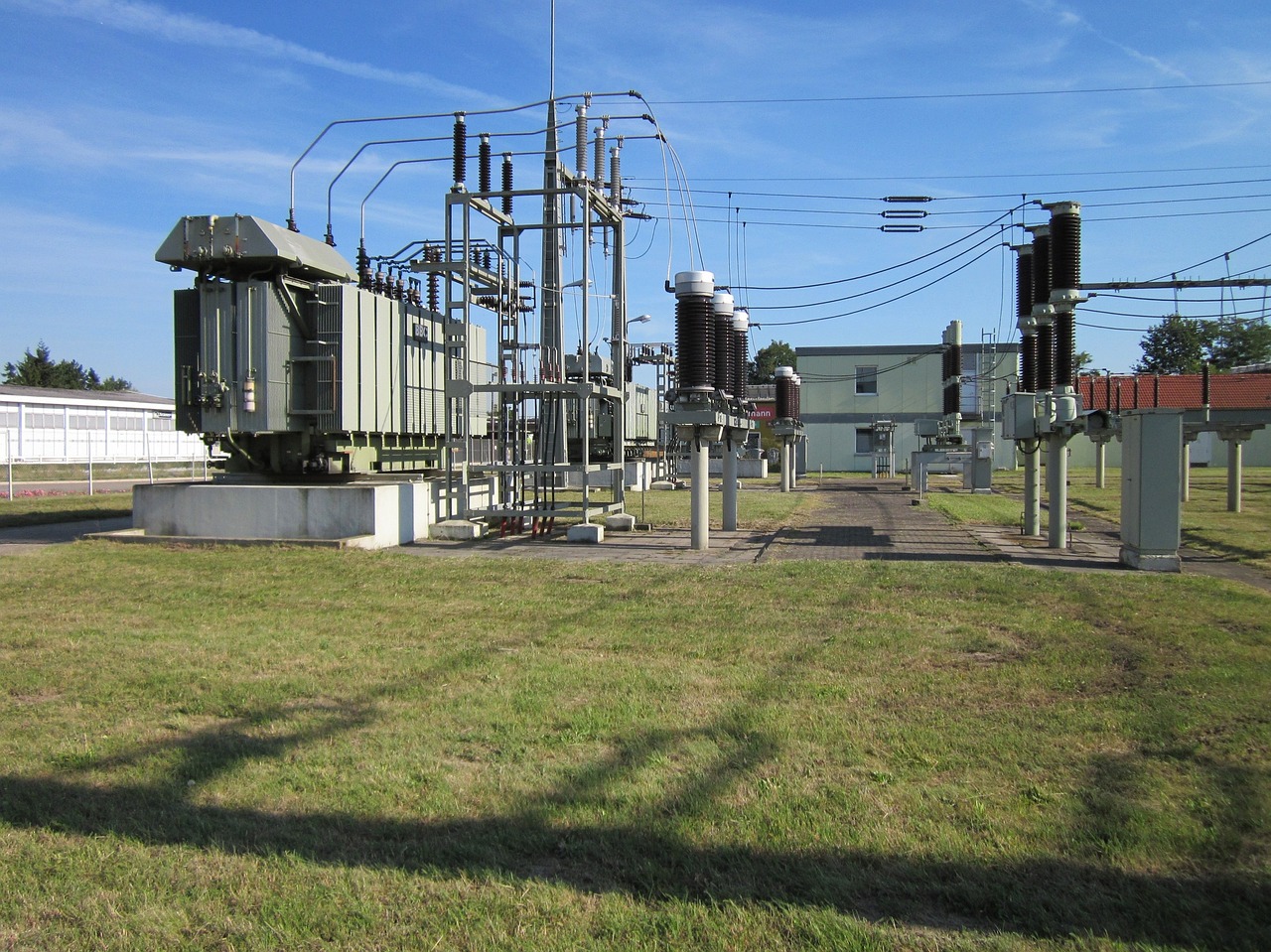
Utility substations rely on outdoor switchgear to manage high-voltage power distribution. These installations handle large electrical loads and require robust equipment to ensure safety and efficiency. Outdoor switchgear provides the space and flexibility needed for these critical operations.
Large-scale Industrial Operations
Outdoor switchgear is ideal for industries with extensive power requirements. Facilities like manufacturing plants, refineries, and mining operations benefit from the space and cost advantages of outdoor installations. These setups support high-capacity systems while maintaining safety and efficiency.
Guidelines for the Installation of Switchgear Indoors
Preparatory Steps
Assessing Space and Ventilation
Proper preparation ensures the successful installation of switchgear indoors. Start by evaluating the available space. You need to verify that the room can accommodate the equipment without compromising accessibility. Maintaining clearance at the rear of the switchgear is essential for maintenance tasks. Compact designs, like gas-insulated switchgear, can help optimize space in tight areas.
Ventilation plays a critical role in preventing overheating. Electrical equipment generates heat during operation, and inadequate cooling can lead to thermal issues. Ensure the room has proper air conditioning, with the unit installed outside to limit water entry. This step minimizes risks associated with high humidity and ensures the longevity of your switchgear.
To prepare the site effectively, follow these steps:
-
Verify all components, including relays, fuses, and circuit breakers.
-
Prepare the floor with base frames grouted on open trenches.
-
Rigidly connect the bus bar and follow manufacturer specifications for cable radius.
-
Perform cable pulling, termination, and crimping.
-
Seal all cable entries and openings with appropriate sealant.
-
Provide proper earthing connections to the switchgear.
By addressing these factors, you create a safe and efficient environment for your switchgear.
Ensuring Compliance with Building Codes
Adhering to building codes ensures the safety and reliability of your installation. You must follow industry standards like IEC 61439 and NEMA, which define construction and performance requirements. These guidelines also specify clearance distances and ventilation needs.
For example, switchgear rooms should have fire-resistant barriers with ratings of 2-4 hours, depending on the criticality of the equipment. Proper cable routing minimizes electromagnetic interference and ensures compliance with safety standards. By meeting these requirements, you reduce risks and avoid costly penalties.
Safety Measures
Fireproofing and Insulation
Fireproofing measures protect your equipment and personnel. Enclose the switchgear in fire-resistant barriers to contain potential fires. Proper cable and busbar arrangements minimize the spread of fire. Additionally, install fire detection and suppression systems for early warning and rapid response.
Insulation is equally important. High-quality insulation materials prevent electrical hazards and enhance the safety of your system. Ensure that all components meet manufacturer recommendations to maintain reliability.
Emergency Access and Exits
Emergency preparedness is a key aspect of indoor switchgear installations. Maintain adequate clearance for ventilation and emergency access. Escape routes should comply with safety standards, such as a maximum length of 20 meters for voltages up to 52 kV.
Plan the layout to ensure quick and safe evacuation during emergencies. Clearly mark exits and keep pathways unobstructed. These measures protect operators and reduce risks in critical situations.
By implementing these safety measures, you create a secure environment for your switchgear and personnel.
Guidelines for the Installation of Switchgear Outdoors
Preparatory Steps
Selecting a Suitable Location
Choosing the right location is crucial for the successful installation of switchgear outdoors. You should prioritize areas that are elevated and well-drained to prevent water accumulation during heavy rains. Avoid low-lying regions prone to flooding, as water exposure can damage the equipment and compromise safety.
Consider the proximity to other structures and equipment. Maintain adequate clearance to ensure easy access for maintenance and to comply with safety regulations. For example, placing the switchgear away from high-traffic zones minimizes the risk of accidental damage. Additionally, evaluate the environmental conditions of the site. Locations with minimal exposure to corrosive gases or excessive dust will help extend the lifespan of your switchgear.
Installing Weatherproof Enclosures
Outdoor switchgear requires robust protection against environmental elements. Installing weatherproof enclosures is essential to safeguard the equipment from rain, dust, and extreme temperatures. Look for enclosures with high ingress protection (IP) ratings, as these provide superior resistance to water and particle infiltration.
You should also consider the material of the enclosure. Corrosion-resistant materials, such as stainless steel or aluminum, are ideal for outdoor environments. These materials withstand harsh conditions and reduce the need for frequent replacements. For areas with extreme weather, additional features like thermal insulation or cooling systems can help maintain optimal operating conditions. Properly sealed cable entries and ventilation openings further enhance the enclosure’s effectiveness.
Safety Measures
Grounding and Lightning Protection
Grounding is a critical safety measure for outdoor switchgear. Proper grounding ensures that excess electrical currents safely dissipate into the earth, reducing the risk of electrical shocks and equipment damage. You should follow industry standards for grounding practices, such as using copper rods or plates to establish a reliable connection.
Lightning protection is equally important. Outdoor installations are more vulnerable to lightning strikes, which can cause severe damage to electrical systems. Installing surge arresters and lightning rods helps protect your switchgear from these risks. These devices redirect high-voltage surges away from the equipment, ensuring its safety and reliability during storms.
Regular Inspections and Maintenance
Consistent maintenance is key to ensuring the long-term performance of outdoor switchgear. You should establish a regular maintenance schedule that includes inspecting and testing components, replacing aging parts, and documenting all activities. Visual inspections help identify physical damage, unusual sounds, or signs of wear and tear.
Monitoring temperature is another essential practice. Thermal monitoring systems can detect overheating, allowing you to address issues before they escalate. Additionally, implementing arc flash protection, such as fast-acting breakers, enhances safety during operation.
To further improve reliability, consider retrofitting older switchgear with modern technology. Upgrades like advanced protective devices and remote monitoring systems enhance performance and simplify maintenance. By following these practices, you can minimize downtime and ensure the safe operation of your outdoor switchgear.
Tip: Train operators on proper equipment handling and safety procedures. Well-trained personnel can identify potential issues early and take corrective actions promptly.
Comparing Indoor and Outdoor Switchgear Installations
Performance and Reliability
Impact of Environmental Factors
Environmental conditions significantly influence the performance of switchgear. Indoor switchgear benefits from controlled environments, reducing exposure to dust, moisture, and pollutants. This protection enhances reliability and minimizes wear and tear. However, poorly ventilated indoor spaces can lead to overheating, especially if temperatures exceed 35 °C. High humidity levels may also cause condensation, which can degrade materials over time.
Outdoor switchgear, on the other hand, is designed to endure harsh conditions. It withstands dust, rain, and extreme weather, but these factors can still affect its operational reliability. Regular maintenance becomes essential to counteract the impact of environmental exposure. By carefully assessing the installation site, you can ensure optimal performance for both indoor and outdoor setups.
Longevity of Equipment
The lifespan of switchgear varies based on its environment and maintenance. Indoor switchgear typically lasts between 15 to 30 years due to its protected setting. Outdoor switchgear often exceeds this range, with some systems lasting over 50 years. Proper maintenance, including timely component replacement and regular inspections, plays a crucial role in extending the life of your equipment.
Cost and Maintenance
Initial Investment
The initial cost of installing switchgear depends on its location. Indoor installations often require specialized enclosures, ventilation systems, and fireproofing measures, which increase expenses. Outdoor installations, by contrast, use simpler enclosures and fewer insulation materials, making them more cost-effective. However, outdoor setups may require additional protective features, such as weatherproof enclosures, to ensure durability.
Long-term Maintenance Needs
Maintenance requirements differ for indoor and outdoor switchgear. Indoor systems demand less frequent inspections due to their controlled environment. Regular cleaning and electrical testing ensure optimal performance. Outdoor systems, exposed to harsher conditions, require more frequent maintenance. Activities like visual inspections, rigorous cleaning, and component replacement become essential to maintain reliability.
|
Maintenance Activity |
Indoor Switchgear |
Outdoor Switchgear |
|---|---|---|
|
Visual Inspections |
Less frequent due to controlled environment |
More frequent due to environmental exposure |
|
Electrical Testing |
Regular testing for optimal performance |
Increased frequency to ensure reliability |
|
Component Replacement |
Timely replacement of outdated components |
More frequent due to harsher conditions |
|
Cleaning and Lubrication |
Regular cleaning to prevent dust buildup |
More rigorous cleaning to combat elements |
|
Record Keeping |
Document maintenance activities |
Essential for tracking wear and tear |
Suitability for Different Applications
Urban vs. Rural Settings
Indoor switchgear suits urban environments where space is limited. Compact designs fit well in commercial buildings, offices, and residential areas. Outdoor switchgear, with its larger footprint, is better suited for rural or industrial settings where space is abundant. Its ability to handle high-capacity systems makes it ideal for utility substations and large-scale operations.
Small-scale vs. Large-scale Operations
For small-scale operations, indoor switchgear offers a clean and organized solution. It works well in environments requiring controlled conditions, such as hospitals or data centers. Outdoor switchgear excels in large-scale industrial applications, including manufacturing plants and refineries. Its robust design ensures reliable performance even in demanding conditions.
Tip: Evaluate your specific needs and environmental conditions to determine the best option for your installation of switchgear.
The decision to install switchgear indoors or outdoors depends on your specific needs. Indoor installations offer better protection and security, making them ideal for controlled environments. However, they may require more space and higher initial costs. Outdoor installations provide cost-effective and space-efficient solutions but need additional measures to handle environmental challenges.
To determine the best option, follow these steps:
-
Gather stakeholder inputs to align the switchgear with project goals.
-
Assess your needs, including voltage, amperage, and environmental factors.
-
Choose the appropriate switchgear configuration, such as RMU or draw-out types.
-
Match ratings to system requirements and ensure compliance with standards.
Zoliov’s switchgear offers versatile solutions for both indoor and outdoor applications. Its robust design ensures safety, reliability, and long-term performance.
Contact Zoliov
Find more details about Switchgear
FAQ
What is the purpose of switchgear in electrical systems?
Switchgear manages and protects electrical systems by controlling power flow and isolating faults. It ensures safety and reliability in power distribution, making it essential for both residential and industrial applications.
Can switchgear be installed in any location?
Switchgear can be installed indoors or outdoors, depending on environmental conditions, safety requirements, and space availability. Proper site assessment ensures optimal performance and longevity.
How do you choose between indoor and outdoor switchgear?
Evaluate factors like environmental conditions, space constraints, and cost. Indoor switchgear suits controlled environments, while outdoor switchgear works better for large-scale or high-capacity systems.
What are the key steps in the switchgear installation procedure?
The procedure includes site preparation, ensuring proper grounding, installing enclosures, and connecting cables. Follow manufacturer guidelines and industry standards for safety and efficiency.
How often should switchgear be maintained?
Regular maintenance is essential. Indoor switchgear requires less frequent inspections due to controlled conditions, while outdoor switchgear needs more frequent checks to counter environmental exposure.
What safety measures should you follow during installation?
Ensure proper grounding, fireproofing, and insulation. Maintain adequate clearance for ventilation and emergency access. Adhere to industry standards to minimize risks.
Can Zoliov switchgear be used for both indoor and outdoor applications?
Yes, Zoliov switchgear is designed for versatility. Its robust construction and advanced features make it suitable for both indoor and outdoor installations.
Why is compliance with industry standards important?
Compliance ensures safety, reliability, and efficiency. It also helps you avoid penalties and ensures your switchgear operates within legal and technical requirements.