


Saudi Arabia’s desert climate presents unique challenges for maintaining the efficiency of package substations. Extreme temperatures, often exceeding 50°C, demand innovative cooling solutions to prevent equipment failures. Effective cooling systems must address these harsh conditions while optimizing energy use and reducing environmental impact. Zoliov’s Package Substation offers a robust and compact solution designed for such environments. Its durable design ensures reliable performance, even in the most demanding settings. By integrating advanced cooling technologies, this substation guarantees efficient energy distribution and long-term operational reliability, making it an ideal choice for diverse applications.
Key Takeaways
-
Saudi Arabia‘s high heat can harm substation equipment. Good cooling is needed to keep them working well.
-
Dust and sandstorms can block cooling systems, making them less effective. Use designs that keep dust out for better results.
-
Energy-saving cooling systems cut costs. Using renewable energy makes them more eco-friendly.
-
Passive cooling, like insulation, keeps temperatures steady without much energy. This saves money on cooling.
-
Hybrid cooling mixes passive and active methods for the best results. It works well in very hot deserts.
-
Smart cooling systems with IoT can monitor in real-time. They find problems early and need less fixing.
-
Better cooling systems make equipment last longer. This saves money on repairs and replacements over time.
-
Zoliov’s Package Substation is strong for tough climates. Its cooling system keeps energy flowing reliably.
Challenges of Cooling Package Substations in Saudi’s Desert Climate
Extreme Temperatures
Impact on equipment performance and reliability
You face significant challenges when operating package substations in Saudi Arabia due to extreme temperatures. High heat can cause materials to deteriorate faster, especially insulating components. Metal parts may corrode more quickly under such conditions. When the operating temperature exceeds 35°C, the reliability and lifespan of equipment decrease. Indoor installations without proper insulation or ventilation are particularly vulnerable. If oil-immersed transformers are present, they can raise the ambient temperature further, worsening the situation. These factors make it essential to adopt cooling solutions that can withstand the harsh desert environment.
Increased risk of overheating and operational failures
Overheating is a constant threat in Saudi’s desert climate. Without effective cooling, substations risk operational failures that can disrupt energy distribution. Prolonged exposure to high temperatures can lead to thermal stress, which weakens critical components. This increases the likelihood of unexpected breakdowns, resulting in costly repairs and downtime. To ensure uninterrupted performance, you must implement cooling systems designed to handle these extreme conditions.
Dust and Sandstorms
Effects on cooling system efficiency and maintenance
Dust and sandstorms are common in Saudi Arabia, and they pose unique challenges for cooling systems. Fine particles can clog air filters and reduce airflow, making cooling systems less efficient. This forces the equipment to work harder, consuming more energy and increasing wear and tear. Frequent cleaning and maintenance become necessary, which can be both time-consuming and resource-intensive. You need cooling solutions that minimize the impact of dust and sand to maintain efficiency.
Challenges posed by sand accumulation on equipment
Sand accumulation on substation equipment can lead to overheating and reduced performance. Sand acts as an insulator, trapping heat and preventing proper cooling. It can also damage sensitive components, leading to malfunctions. In remote areas, where maintenance resources are limited, addressing these issues becomes even more difficult. Choosing durable and low-maintenance cooling systems can help you overcome these challenges.
Energy and Resource Constraints
High energy demand for conventional cooling methods
Traditional cooling methods often require significant energy, which can strain resources in Saudi Arabia’s remote regions. Air conditioning systems, for example, consume large amounts of electricity, making them less sustainable. This high energy demand not only increases operational costs but also impacts the environment. You should consider energy-efficient cooling technologies to reduce consumption and ensure sustainability.
Limited access to maintenance resources in remote areas
In remote parts of Saudi Arabia, accessing maintenance resources can be a challenge. Regular servicing of cooling systems may not always be feasible, leading to reduced efficiency over time. Equipment failures in these areas can result in prolonged downtime, affecting energy distribution. By investing in robust and low-maintenance cooling solutions, you can ensure reliable operation even in isolated locations.
Advanced Cooling Solutions for Package Substations

Passive Cooling Strategies
Use of thermal insulation and reflective materials
You can significantly improve the efficiency of a package substation by using thermal insulation and reflective materials. These materials reduce heat absorption by reflecting sunlight and minimizing thermal conductivity. Reflective coatings on external surfaces deflect solar radiation, keeping the internal temperature stable. Insulating layers, such as foam or fiberglass, act as barriers to heat transfer. This approach ensures that the equipment inside the substation remains cool, even during Saudi Arabia’s scorching summers. By adopting these strategies, you reduce the strain on active cooling systems and enhance overall energy efficiency.
Application of heat-resistant materials for durability
Heat-resistant materials play a critical role in ensuring the durability of cooling systems in extreme climates like Saudi’s. These materials:
-
Withstand harsh temperatures without losing integrity.
-
Maintain their physical and chemical properties under extreme conditions.
-
Endure temperatures beyond 1500°C due to their high melting points.
-
Resist thermal shock, allowing them to handle sudden temperature changes.
-
Offer wear resistance, protecting against chemical corrosion and abrasion.
By incorporating these materials into your substation design, you enhance its ability to operate reliably in challenging environments.
Active Cooling Technologies
Air conditioning systems optimized for desert climates
Air conditioning systems designed for desert climates provide a reliable solution for cooling package substations. These systems use advanced compressors and refrigerants to handle high ambient temperatures efficiently. You can rely on them to maintain consistent performance, even when external temperatures soar. Properly sealed enclosures and dust filters further enhance their effectiveness, making them suitable for Saudi’s harsh environment.
Liquid cooling systems for efficient heat dissipation
Liquid cooling systems offer an innovative way to manage heat in substations. These systems circulate coolant through pipes to absorb and dissipate heat from critical components. The high thermal conductivity of liquids ensures rapid heat transfer, keeping equipment at optimal temperatures. This method works well in areas where traditional air-based cooling may struggle to perform.
Hybrid cooling systems combining passive and active methods
Hybrid cooling systems combine the best of passive and active strategies. By integrating thermal insulation with air conditioning or liquid cooling, you achieve superior temperature control. This approach reduces energy consumption while maintaining high performance. You can use hybrid systems to address the unique challenges of Saudi’s desert climate effectively.
Renewable Energy-Powered Cooling
Solar-powered cooling systems for sustainable operation
Solar-powered cooling systems provide a sustainable solution for package substations in remote areas. These systems harness Saudi’s abundant sunlight to generate energy for cooling. By reducing reliance on conventional power sources, you lower operational costs and minimize environmental impact. Solar-powered systems are particularly useful in off-grid locations, ensuring uninterrupted cooling without additional infrastructure.
Integration of renewable energy with cooling technologies
Integrating renewable energy sources, such as solar or wind, with cooling technologies enhances the efficiency of substations. You can use renewable energy to power active cooling systems, reducing dependency on fossil fuels. This approach aligns with global sustainability goals while addressing the energy challenges of Saudi’s desert regions.
Smart Cooling Systems
IoT-enabled systems for real-time monitoring and control
Smart cooling systems equipped with IoT (Internet of Things) technology revolutionize how you manage package substations. These systems allow you to monitor and control cooling operations in real time, ensuring optimal performance even in challenging desert climates. By connecting sensors and devices to a centralized platform, IoT-enabled systems provide valuable insights into temperature, humidity, and equipment status.
You can use these insights to detect potential issues before they escalate. For example, if a temperature sensor identifies a sudden rise, the system can alert you immediately. This proactive approach minimizes downtime and prevents costly repairs. Additionally, IoT systems enable remote monitoring, which is especially beneficial for substations in remote areas. You no longer need to rely solely on on-site inspections, saving both time and resources.
Tip: Choose IoT-enabled cooling systems that offer user-friendly interfaces and customizable alerts. These features make it easier for you to manage operations efficiently.
Automated temperature regulation for optimal performance
Automated temperature regulation takes cooling efficiency to the next level. These systems use advanced algorithms to maintain ideal operating conditions for your substation equipment. By continuously analyzing data from sensors, they adjust cooling mechanisms automatically to match the current environmental conditions.
For instance, during peak daytime heat, the system can increase cooling intensity to prevent overheating. At night, when temperatures drop, it reduces energy consumption by scaling back operations. This dynamic adjustment not only ensures consistent performance but also lowers energy costs.
Automated systems also reduce the need for manual intervention. You don’t have to worry about constantly monitoring and adjusting settings. The system handles these tasks for you, allowing you to focus on other critical aspects of substation management.
Note: Automated cooling systems are particularly effective when integrated with renewable energy sources like solar power. This combination enhances sustainability while maintaining reliable operation.
Smart cooling systems, with their IoT capabilities and automated features, offer a comprehensive solution for managing package substations in Saudi Arabia’s desert climate. They ensure real-time monitoring, efficient temperature regulation, and reduced operational costs, making them an essential component of modern energy infrastructure.
Benefits of Advanced Cooling Solutions for Package Substations
Enhanced Equipment Longevity
Reduction in wear and tear due to controlled temperatures
When you maintain controlled temperatures in a package substation, you significantly reduce wear and tear on its components. High temperatures accelerate the aging of materials, especially insulation and metal parts. Advanced cooling solutions stabilize the internal environment, preventing these materials from degrading prematurely. This ensures that your equipment operates efficiently for a longer time. By minimizing thermal stress, you also avoid frequent repairs, saving both time and resources.
Prevention of overheating-related failures
Overheating is one of the leading causes of equipment failure in Saudi’s harsh desert climate. Advanced cooling systems prevent this by keeping the internal temperature within safe limits. When you use these systems, you protect critical components like transformers and switchgear from thermal damage. This reduces the risk of sudden breakdowns, ensuring uninterrupted energy distribution. Reliable cooling solutions are essential for maintaining the operational integrity of your package substation.
Improved Operational Efficiency
Consistent performance in extreme desert conditions
Saudi’s extreme desert conditions can challenge the performance of any package substation. Advanced cooling technologies ensure that your equipment performs consistently, even when external temperatures soar. By regulating the internal environment, these systems prevent performance fluctuations caused by heat. This stability is crucial for maintaining a reliable energy supply in both urban and remote areas.
Reduced downtime and maintenance requirements
Frequent maintenance can disrupt operations and increase costs. Advanced cooling solutions minimize these issues by reducing the strain on your equipment. When you use efficient cooling systems, you lower the likelihood of overheating and related failures. This translates to fewer maintenance interventions and reduced downtime. In remote areas, where maintenance resources are limited, this benefit becomes even more valuable.
Cost Savings
Lower energy consumption with efficient cooling systems
Traditional cooling methods often consume large amounts of energy, driving up operational costs. Advanced cooling solutions, such as hybrid or renewable energy-powered systems, are designed to be energy-efficient. By adopting these technologies, you can significantly reduce energy consumption. This not only lowers your electricity bills but also aligns with global sustainability goals.
Long-term financial benefits from reduced equipment replacement
Frequent equipment replacement can strain your budget. Advanced cooling systems extend the lifespan of your package substation by protecting it from heat-related damage. This reduces the need for costly replacements and repairs. Over time, the financial savings from enhanced durability and efficiency outweigh the initial investment in advanced cooling technologies.
Tip: Investing in advanced cooling solutions not only improves performance but also delivers long-term cost benefits. Consider these systems as a strategic investment in your energy infrastructure.
Case Studies and Real-World Applications
Successful Implementations in Saudi Arabia
Solar-powered cooling systems in remote substations
In Saudi Arabia, solar-powered cooling systems have proven to be a game-changer for remote substations. These systems harness the abundant sunlight to generate energy for cooling, making them highly sustainable. You can rely on solar-powered systems to operate efficiently without requiring extensive infrastructure. This is especially beneficial in off-grid locations where traditional power sources are unavailable. By integrating solar panels with advanced cooling technologies, these systems ensure consistent performance while reducing operational costs. Their ability to function independently of the main grid makes them an ideal solution for maintaining energy distribution in isolated areas.
Hybrid cooling systems in industrial applications
Hybrid cooling systems have gained popularity in Saudi Arabia’s industrial sector due to their ability to combine passive and active cooling methods. These systems are designed to handle extreme temperatures exceeding 50°C, ensuring reliable performance in harsh environments. Key features of hybrid systems include:
-
Air-cooled chillers optimized for high ambient temperatures.
-
Evaporators that enhance cooling capacity and efficiency.
-
Advanced compressor technologies, such as scroll and oil-free magnetic bearing compressors, which improve energy efficiency.
-
Economizers that provide additional subcooling to the refrigerant, boosting overall system performance.
You can see these systems in action in industrial facilities where maintaining optimal equipment temperatures is critical. Their compliance with AHRI standards and focus on energy efficiency make them a practical choice for reducing energy consumption while ensuring operational reliability.
Global Examples in Similar Climates
Cooling solutions in other desert regions
Other desert regions around the world have adopted innovative cooling solutions that you can learn from. For instance, ancient civilizations used natural cooling methods to combat extreme heat. The Romans built frigidariums, which utilized cold water to cool spaces. Egyptians used reeds to create airflow, while Mesopotamians designed ziggurats with shaded areas to reduce heat exposure. These historical techniques highlight the importance of leveraging natural resources for cooling. Modern adaptations of these methods, such as passive cooling strategies, continue to inspire sustainable solutions for desert climates.
Lessons learned from international projects
International projects offer valuable insights into effective cooling strategies. In Medellín, Colombia, green corridors have been implemented to lower urban temperatures by 2-3°C. These corridors not only improve cooling but also enhance community engagement and biodiversity. Similarly, Singapore’s “garden city” initiative promotes urban greenery, achieving similar temperature reductions. You can apply these lessons by integrating natural elements into cooling designs. These examples demonstrate that combining technology with nature can create efficient and sustainable cooling solutions, even in the most challenging climates.
Saudi Arabia’s desert climate creates significant challenges for package substations, including extreme heat, dust, and energy constraints. These factors can lead to overheating, reduced efficiency, and increased maintenance needs. Advanced cooling solutions, such as passive strategies, hybrid systems, and renewable energy-powered technologies, address these issues effectively. They enhance equipment longevity, improve operational efficiency, and reduce costs.
Take Action: Adopting innovative cooling technologies ensures reliable and efficient substation performance in harsh environments.
Zoliov’s Package Substation stands out as a robust and compact solution. Its durable design, combined with advanced cooling capabilities, guarantees consistent energy distribution. Choose Zoliov for a reliable and future-ready energy infrastructure.
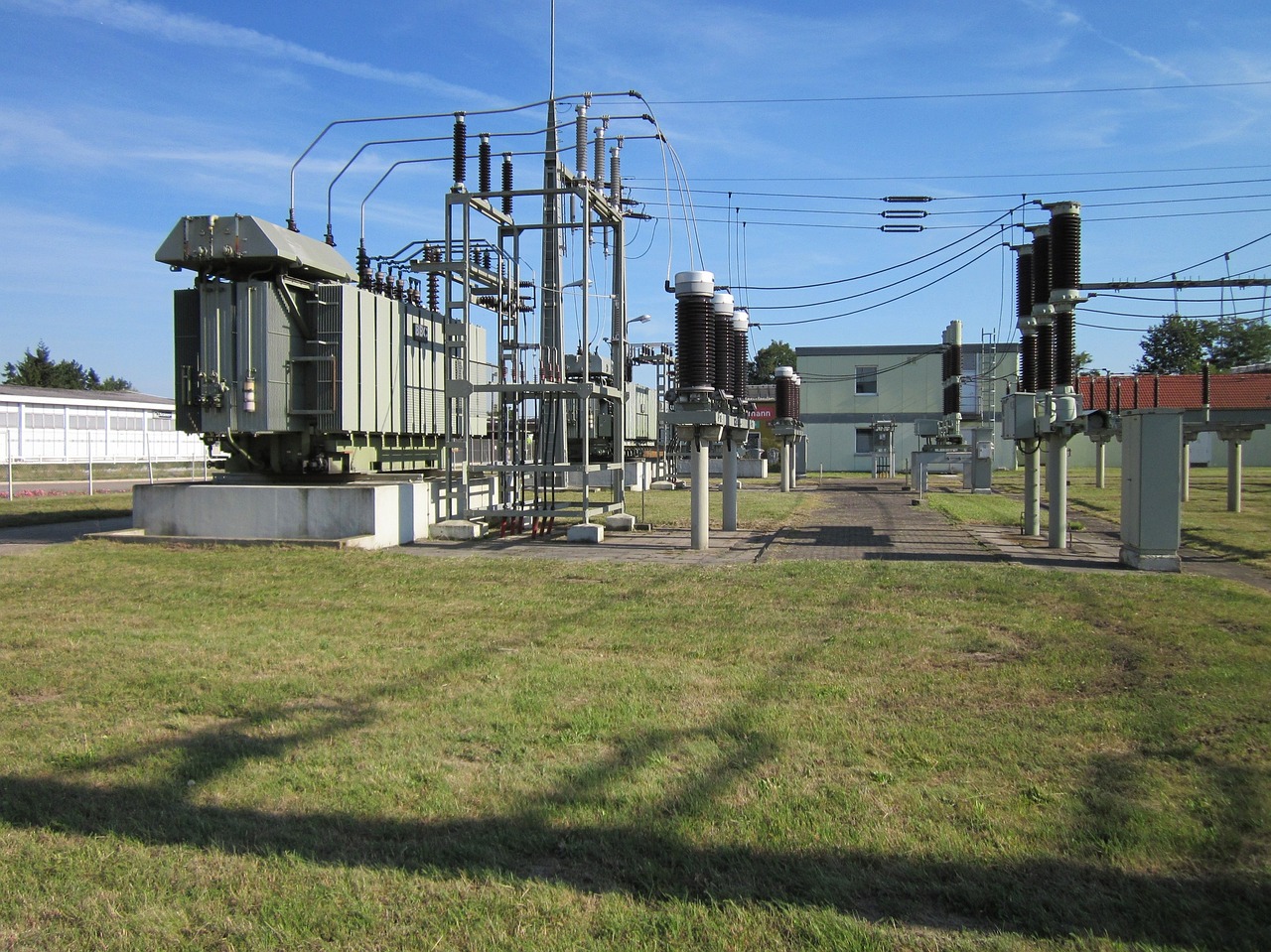
Contact Zoliov
Find more details about Package Substation
FAQ
1. Why is cooling important for package substations in Saudi Arabia?
Cooling prevents overheating, which can damage equipment and disrupt energy distribution. In Saudi Arabia’s desert climate, extreme heat accelerates wear and tear. Advanced cooling solutions ensure reliable performance and extend the lifespan of your substation.
2. What are passive cooling strategies, and how do they work?
Passive cooling strategies use materials like thermal insulation and reflective coatings to reduce heat absorption. These methods stabilize internal temperatures without relying on energy-intensive systems, making them cost-effective and sustainable.
3. Can renewable energy power cooling systems effectively?
Yes, renewable energy, such as solar power, can efficiently run cooling systems. Solar-powered solutions harness abundant sunlight, reducing operational costs and environmental impact. They are especially useful in remote areas where traditional power sources are unavailable.
4. How do IoT-enabled cooling systems improve efficiency?
IoT-enabled systems provide real-time monitoring and control. They use sensors to track temperature and equipment status, allowing you to detect issues early. Automated adjustments optimize cooling performance, reducing energy consumption and maintenance needs.
5. Are hybrid cooling systems suitable for extreme climates?
Hybrid systems combine passive and active cooling methods, making them ideal for extreme climates. They balance energy efficiency with high performance, ensuring consistent operation even in harsh desert conditions.
6. What maintenance do advanced cooling systems require?
Advanced cooling systems often need minimal maintenance. Features like automated controls and durable materials reduce wear and tear. Regular inspections and cleaning ensure optimal performance, especially in dusty environments.
7. How do advanced cooling solutions save costs?
Efficient cooling systems lower energy consumption and reduce the risk of equipment failure. By extending the lifespan of your substation and minimizing maintenance, these solutions deliver long-term financial benefits.
8. Why choose Zoliov’s Package Substation for desert climates?
Zoliov’s Package Substation integrates advanced cooling technologies with a durable design. It ensures reliable energy distribution in extreme conditions. Its compact, low-maintenance structure makes it a practical choice for diverse applications.
Tip: Consider Zoliov’s Package Substation for a future-ready, efficient energy solution tailored to harsh environments.